.svg)
.svg)
.svg)
Mistakes Indian Employees Make with Their ESOPs
Learn common ESOP mistakes in India, including employee stock option plan risks, ESOP valuation, taxation, and employee ownership strategies.

Accorp Compliance Team
Our team of compliance experts specializes in PCI DSS, SOC 2, and other security frameworks to help businesses achieve and maintain compliance.
In India’s startup ecosystem, ESOP in India has become a popular way to reward employees and build long-term wealth. Many employees receive an employee stock option plan as part of their compensation but often misunderstand how it works.
While ESOPs can be valuable, small mistakes can lead to missed opportunities, unexpected taxes, or even loss of benefits. This guide highlights the most common mistakes Indian employees make with their ESOPs—and how to avoid them.
What is ESOP in India
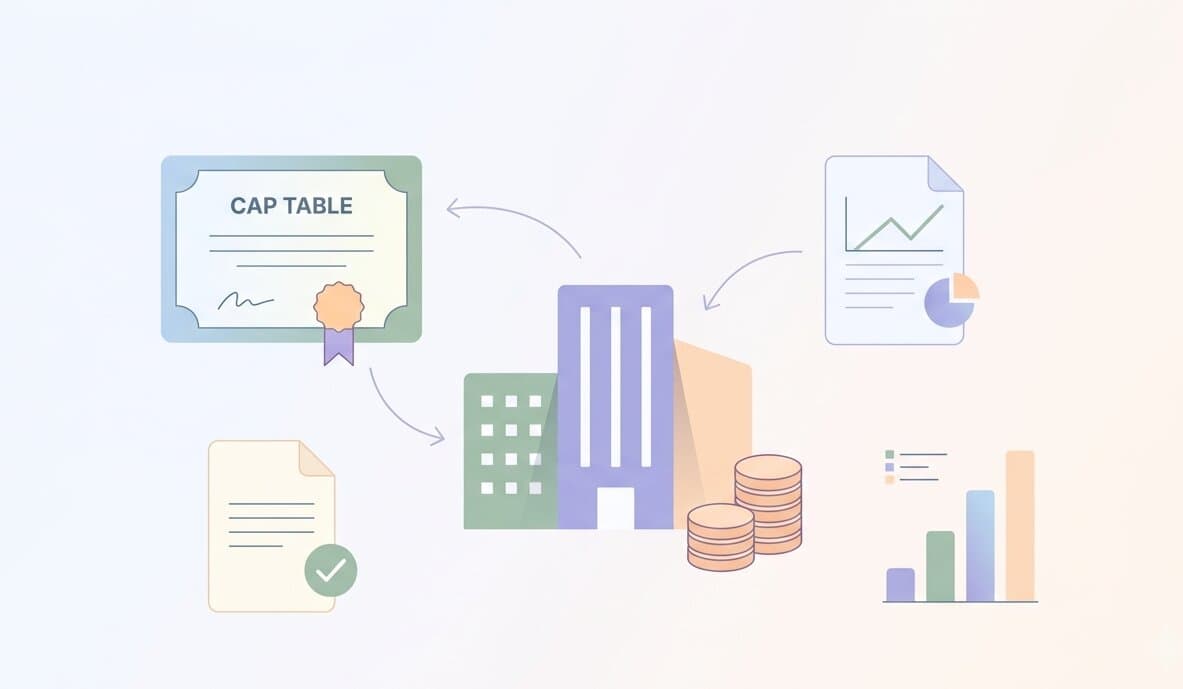
An ESOP (Employee Stock Option Plan) gives employees the right to purchase company shares at a fixed price after a certain period. It is also known as an employee stock ownership plan or employee share option plan.
The purpose of an esop plan is to promote employee ownership and align employees with company growth.
Legal Framework in India
For a Private Limited Company in India, ESOPs are governed by:
Companies Act, 2013
Rule 12 of Companies (Share Capital and Debentures) Rules, 2014
These laws regulate how stock options for employees are granted under an employee stock option scheme.
Step-by-Step ESOP Issuance Process
Understanding the process helps employees identify gaps or risks.
1. Draft ESOP Scheme
The company creates an esop scheme with clear terms.
2. Board Resolution
The Board approves the stock option plan.
3. Shareholder Approval
A Special Resolution is passed for the employee share ownership plan.
4. Filing of MGT-14
Filed with ROC after approval.
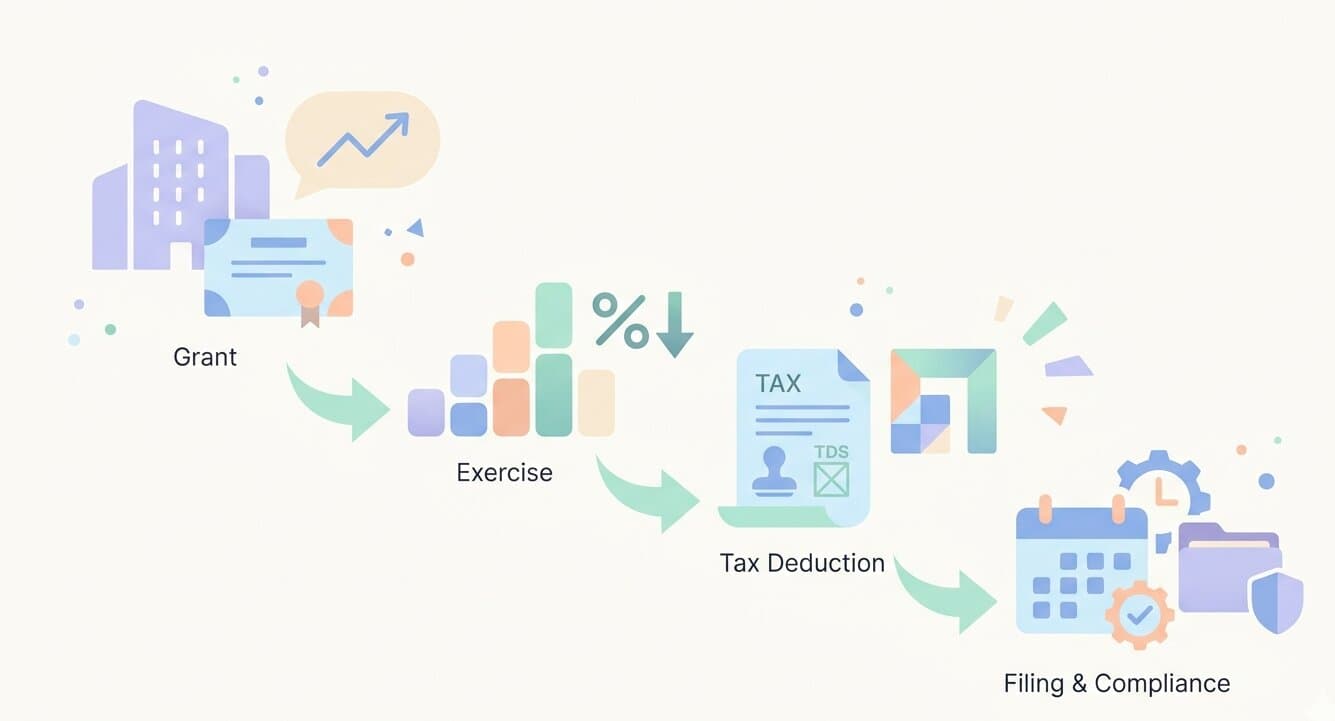
5. Grant of Options
Employees receive share options for employees.
6. Vesting & Exercise
Options vest over time and can be exercised.
7. Filing of PAS-3
Filed after share allotment.
8. Maintain Registers
Records of employee stock ownership are maintained.
ESOP Valuation in India
Common Mistakes Employees Make
1. Ignoring ESOP Valuation
Many employees accept ESOPs without understanding esop valuation in India.
Mistake:
Focusing only on number of options, not their value.
Fix:
Always ask:
What is the current esop valuation?
What percentage of equity do I own?
2. Not Understanding Ownership Percentage
5,000 options may sound impressive—but without context, it means little.
3. Ignoring Vesting Conditions
Employees often overlook vesting schedules in their employee stock option plan.
Mistake:
Leaving before the cliff period and losing all ESOPs.
Fix:
Understand:
Vesting period
Cliff duration
Exit rules
4. Not Planning Liquidity
Many assume ESOPs automatically convert into cash.
Reality:
Liquidity happens only during:
IPO
Buyback
Acquisition
Lesson: ESOPs are long-term employee ownership plans, not immediate cash.
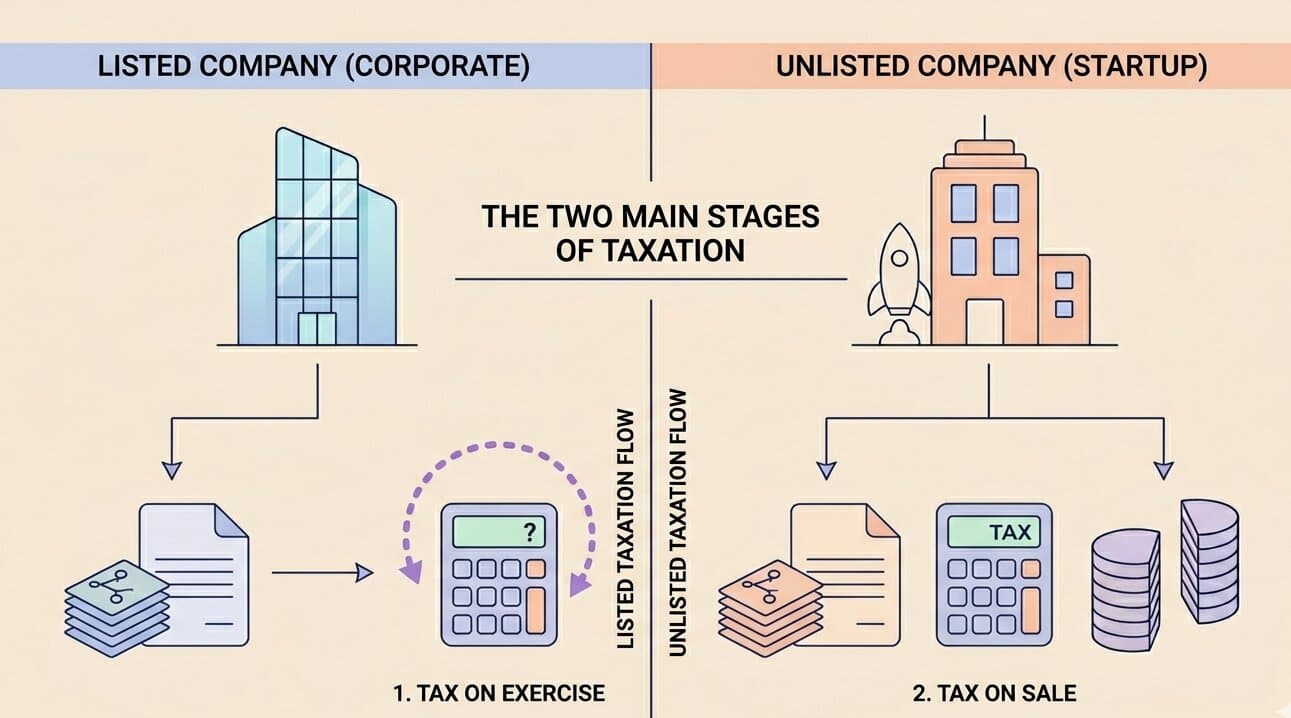
Taxation of ESOPs in India
One of the biggest mistakes relates to ESOP taxation in India.
5. Ignoring Perquisite Tax at Exercise
When you exercise your stock options for employees, the difference between:
Fair Market Value (FMV)
Exercise price
is taxed as salary.
6. Not Planning Capital Gains Tax
When shares are sold:
Capital gains tax applies
Rate depends on holding period
Mistake:
Selling without understanding tax impact.
Fix:
Plan timing to optimize tax liability.
7. Exercising Too Early or Too Late
Timing is critical in employee stock ownership plans.
Early exercise risk:
Pay tax before liquidity
Late exercise risk:
Miss exercise window (especially after resignation)
Key Compliance Requirements
Employees often ignore whether their ESOPs are legally valid.
8. Not Checking Compliance
For ESOP for private limited company in India, companies must follow:
Board approval of esop plan
Shareholder special resolution
Filing of MGT-14
Filing of PAS-3
Proper esop valuation
Maintenance of statutory registers
Mistake:
Accepting ESOPs without checking if they are formally approved.
Risk:
Future disputes or invalid grants.
9. Ignoring Documentation
Employees sometimes don’t read their grant letters properly.
Important to check:
Number of options
Exercise price
Vesting schedule
Expiry period
10. Overestimating Future Value
Many employees assume their esop stock will definitely increase in value.
Reality:
Startup success is uncertain.
Lesson:
Treat ESOPs as a bonus—not guaranteed income.
Conclusion
ESOP in India offers a powerful opportunity to build wealth through employee ownership, but only if handled wisely.
The most common mistakes—ignoring valuation, misunderstanding tax, and overlooking compliance—can reduce or even eliminate ESOP benefits.
For employees, the key is to:
Understand your employee stock option plan fully
Evaluate esop valuation in India
Plan for ESOP taxation in India
Be aware of vesting and liquidity timelines
For startups and esop companies, educating employees about their employee stock ownership plan builds trust and improves retention.In India’s fast-growing startup ecosystem, informed decisions about ESOPs can make the difference between missed opportunities and real financial success.
Get expert support from Accorp Partners to structure, review, and manage ESOP plans with complete clarity and compliance.