.svg)
.svg)
.svg)
My Overseas Company Made a Loss – Do I Still Need to File APR in India?
Understand APR filing India requirements for loss-making foreign subsidiaries. Learn compliance rules, audit processes, and avoid penalties.

Accorp Compliance Team
Our team of compliance experts specializes in PCI DSS, SOC 2, and other security frameworks to help businesses achieve and maintain compliance.
It’s a situation many global businesses face—your overseas company has made a loss, and you begin to question whether compliance requirements still apply. Can you skip reporting this year? Does a negative financial performance change your obligations?
The short answer is no. APR filing India is mandatory regardless of whether your foreign entity makes a profit, breaks even, or incurs a loss. Under India’s Overseas Direct Investment (ODI) framework, compliance is based on ownership—not profitability.
In this guide, we’ll explain why APR filing is still required, what changes when your entity reports a loss, and how to handle the process correctly while maintaining full ODI compliance.
Why APR Filing India Is Mandatory Even in Case of Loss
Many businesses assume that APR filing only applies when there is income to report. However, the purpose of APR is broader than just tracking profits.
Key Reasons APR Filing Is Still Require
It ensures transparency in cross-border investments
It allows regulators to monitor the financial health of foreign entities
It supports ongoing ODI compliance
It maintains your eligibility for future overseas investments
Even if your company is loss-making, you must complete APR filing for foreign subsidiaries to remain compliant with RBI and FEMA regulations.
What Changes in APR Filing India When Your Company Makes a Loss?
While the obligation to file remains the same, the content of your report will reflect your company’s financial situation.
Financial Reporting in Loss-Making Scenarios
You will need to disclose:
Revenue (if any)
Operating expenses
Net loss for the financial year
Net worth of the entity
A properly conducted overseas subsidiary audit ensures that these figures are accurate and aligned with your records.
Auditor’s Role Becomes More Important
When a company reports losses, banks and regulators may examine the data more closely. This is where proper certification plays a critical role.
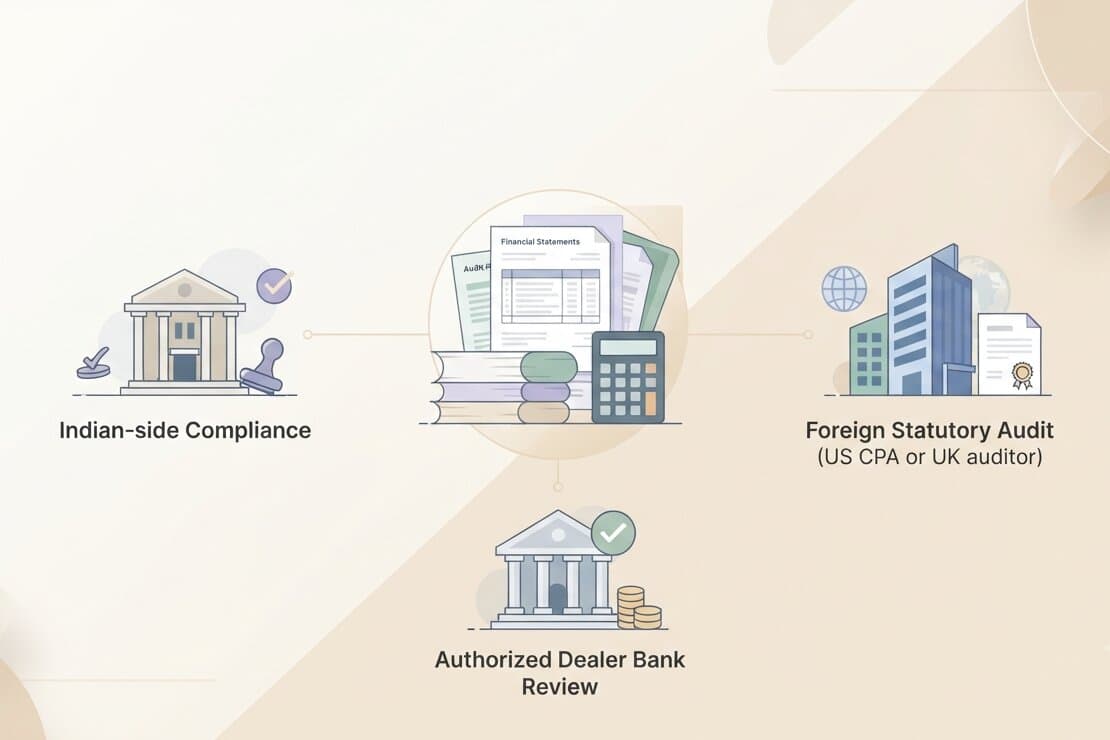
A US CPA for APR filing is often required for US-based entities
A UK auditor for APR filing is needed for UK-based companies
This strengthens your foreign subsidiary audit compliance and builds credibility in your reporting.
Step-by-Step APR Filing India Process for Loss-Making Entities
Filing APR when your company has made a loss follows the same structured process as any other filing—but requires extra attention to detail.
Step 1: Collect Financial Statements
Gather audited financial statements of your foreign entity, including:
Balance sheet
Profit & loss account
Notes to accounts
Even if operations are minimal, documentation is still required.
Step 2: Conduct Overseas Subsidiary Audit
A proper overseas subsidiary audit validates your financial data and ensures compliance with local regulations.
For example:
US entities may require a US CPA for APR filing
UK entities may require a UK auditor for APR filing
Step 3: Verify ODI Details
Ensure all investment-related information is accurate:
ODI registration number
Investment amount
Shareholding percentage
Mismatch in these details can lead to rejection during APR filing India.
Step 4: Prepare APR Form
Include:
Financial performance (including losses)
Operational updates
Investment details
Transparency is key—losses must be clearly reported without omission.
Step 5: Obtain Certification
The APR must be certified by:
An Indian Chartered Accountant
A foreign auditor (if applicable)
This step ensures strong foreign subsidiary audit compliance.
Step 6: Submit via AD Bank
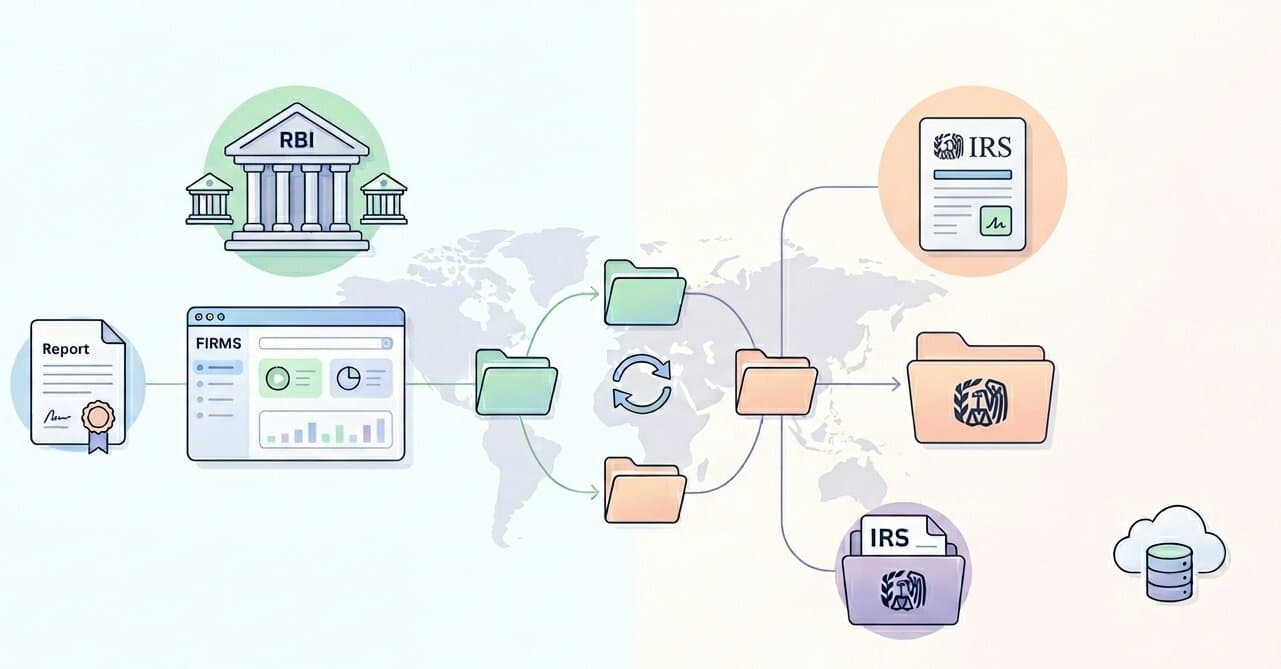
Submit your APR filing India through your Authorized Dealer bank on or before the deadline.
APR Filing Timeline and Due Date
Timely submission is critical—even for loss-making entities.
Key Dates
Financial Year End: March 31
APR Filing Due Date: December 31
Missing the deadline can result in:
Penalties under FEMA
Delays in future ODI approvals
Increased regulatory scrutiny
Common Mistakes Companies Make When Reporting Losses
Loss-making entities often face additional compliance challenges. Here are some mistakes to avoid:
1. Assuming Filing Is Not Required
Many businesses skip filing when there is no profit. This is incorrect and leads to compliance issues.
2. Incomplete Financial Reporting
Not properly documenting expenses or losses can trigger queries from banks.
3. Lack of Proper Audit
Skipping a US CPA for APR filing or UK auditor for APR filing where required weakens your submission.
4. Mismatch in ODI Data
Inconsistent reporting of investment details can delay your filing.
5. Delayed Preparation
Waiting until the last minute can lead to rushed filings and errors.
How Losses Impact Future ODI Compliance
While reporting a loss does not violate regulations, it can influence how your business is evaluated.
Possible Implications
Banks may review your future investment proposals more carefully
Additional documentation may be requested
Financial performance trends may be monitored
This makes accurate APR filing for foreign subsidiaries even more important.
Best Practices for Smooth APR Filing India
Maintain Accurate Records
Keep all financial data updated throughout the year to avoid last-minute issues.
Work with Qualified Professionals
Engage experts such as:
US CPA for APR filing
UK auditor for APR filing
Indian Chartered Accountant
Start Early
Begin preparing documents well before the December deadline.
Ensure Full Transparency
Report losses clearly and accurately—this builds trust with regulators and banks.
Use a Structured Process
Follow a checklist-based approach to ensure nothing is missed.
Why Professional Support Matters
Handling APR filing India for a loss-making entity can be complex, especially when multiple jurisdictions are involved.
Benefits of Expert Assistance
Accurate financial reporting and audit coordination
Strong foreign subsidiary audit compliance
Seamless handling of documentation and certification
Reduced risk of rejection or penalties
Professional services simplify APR filing for foreign subsidiaries, ensuring your compliance remains strong even during challenging financial periods.
Conclusion
A loss in your overseas business does not reduce your compliance responsibilities. APR filing India remains mandatory, regardless of financial performance. In fact, accurate reporting becomes even more important when your company is not profitable.
By following a structured process, maintaining proper documentation, and working with qualified professionals—such as a US CPA for APR filing or UK auditor for APR filing—you can ensure smooth and compliant reporting.
If your business is navigating losses, don’t let compliance become another challenge. A well-managed overseas subsidiary audit and timely APR filing will keep your ODI compliance on track and support your long-term global growth strategy.
FAQs
Q1. My overseas company made a loss this year. Can I skip APR filing?
No. APR filing is mandatory regardless of profit or loss. As long as you have an active overseas investment, you must file before December 31 every year.
Q2. What do I report in the APR if my company has no revenue?
You still report expenses, net loss, net worth, and investment details. Even if all numbers are zero or negative, they must be clearly mentioned in the APR.
Q3. Do I still need a CPA or auditor even if my company didn't make any money?
Yes. A US CPA or UK auditor is still required to certify the financials. When a company shows losses, banks scrutinise the report more — so proper certification matters even more.
Q4. Will reporting a loss affect my future overseas investments?
Not directly. A loss is not a violation. But banks may ask for extra documents before approving future investments. Filing accurately and on time actually builds credibility with regulators.