.svg)
.svg)
.svg)
From GST Registration to Input Tax Credit: Key Rules Every Business Should Know
Looking to register company remotely India? Explore India incorporation steps, GST rules & input tax credit basics to start and manage your business smoothly.

Accorp Compliance Team
Our team of compliance experts specializes in PCI DSS, SOC 2, and other security frameworks to help businesses achieve and maintain compliance.
Goods and Services Tax (GST) is a crucial part of running a business in India. From registration to claiming Input Tax Credit (ITC), understanding the rules can help businesses stay compliant and save costs. Whether you are starting a new venture or already operating, GST plays an important role alongside company formation in India.
In this guide, we’ll cover the key aspects of GST registration and ITC that every business owner should know.
What is GST and why is it Important?
GST is a unified indirect tax system that replaced multiple taxes like VAT, service tax, and excise duty. It simplifies taxation and creates a transparent system for businesses.
For entrepreneurs exploring how to register a business in India, GST registration is often one of the first compliance steps after incorporation.
Who Needs to Register for GST?
Not every business is required to register under GST, but it becomes mandatory in certain cases:
If annual turnover exceeds the prescribed limit
If you are involved in the interstate supply of goods or services
If you sell through e-commerce platforms
If you want to claim Input Tax Credit
During the online company registration process, many businesses also apply for GST to ensure smooth operations from the start.
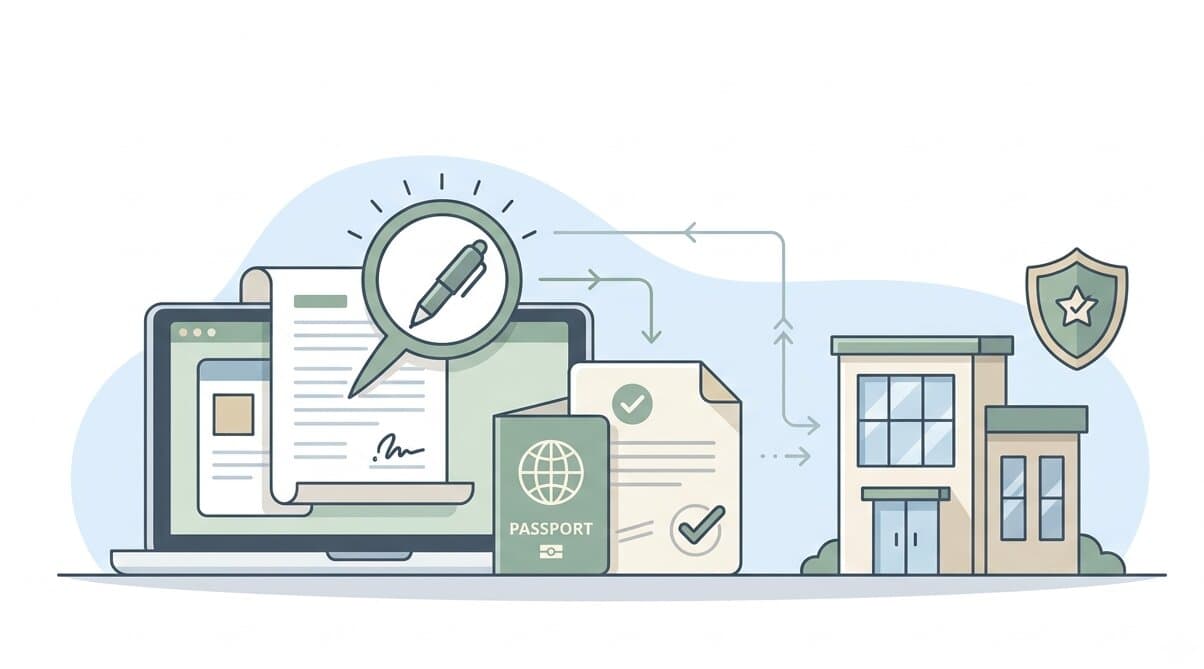
GST Registration Process in India
The GST registration process is fully online and can be completed with basic documentation. It involves:
Filling out the application on the GST portal
Submitting identity and business proof
Verification by authorities
Issuance of GSTIN
With the rise of India's online company registration, businesses can now complete GST registration along with incorporation seamlessly.
What is Input Tax Credit (ITC)?
Input Tax Credit allows businesses to reduce their tax liability by claiming credit for GST paid on purchases. In simple terms, you can deduct the tax you’ve already paid on inputs from the tax you owe on sales.
This concept is essential for improving cash flow and reducing overall tax burden.
Conditions to Claim Input Tax Credit
To claim ITC, businesses must meet certain conditions:
Possess a valid tax invoice
Ensure goods or services are received
The supplier must have filed GST returns
Payment must be made within the specified time
Proper documentation during the online registration of company and GST setup ensures smooth ITC claims.
Common Mistakes Businesses Should Avoid
Many businesses face issues due to a lack of awareness. Here are some common mistakes:
Delayed GST registration
Incorrect invoice details
Not matching GST returns
Claiming ITC on ineligible expenses
Avoiding these mistakes is crucial, especially when learning how to open a company in India and managing compliance.
GST Compliance for New Businesses
After registration, businesses must regularly file GST returns and maintain proper records. This includes:
Monthly or quarterly return filing
Maintaining purchase and sales records
Reconciling ITC claims
These compliance steps are as important as the initial private limited company registration in India.
Can GST Registration Be Done Remotely?
Yes, GST registration can be completed entirely online. Entrepreneurs can easily register company remotely India and apply for GST without visiting any office.
This is especially helpful for startups and foreign investors looking to establish operations in India.
GST and Foreign Businesses
Foreign companies operating in India must also comply with GST regulations. They may need to appoint a local representative and follow specific rules.
Many businesses use foreign company incorporation services to manage both incorporation and GST compliance efficiently.
Cost Considerations
While GST registration itself is free on the government portal, businesses may incur professional fees for assistance. These costs are usually combined with the pvt ltd company registration cost in India when setting up a new company.
Conclusion
GST registration and Input Tax Credit are essential components of running a compliant and cost-efficient business in India. Understanding these rules can help you avoid penalties, improve cash flow, and streamline operations.
With the support of expert company incorporation services India, businesses can manage GST compliance smoothly and focus on growth.
Looking to register a company in India? Visit our India Incorporation Services page for expert guidance.