.svg)
.svg)
.svg)
How to Close a Company in India (Guide for UK, UAE, Singapore, Japan & Germany Owners)
Learn how to close a company in India for UK, UAE, Singapore, Japan & Germany owners. Step-by-step process, documents & compliance explained.

Accorp Compliance Team
Our team of compliance experts specializes in PCI DSS, SOC 2, and other security frameworks to help businesses achieve and maintain compliance.
India is a fast-growing business hub, but not every venture continues forever. Many foreign founders eventually decide to exit due to strategy changes, operational challenges, or financial reasons.
For business owners from the UK, UAE, Singapore, Japan, and Germany, understanding the company closure process in India is just as important as incorporation. A proper legal exit ensures you avoid penalties, liabilities, and future compliance issues.
When Should Foreign Companies Consider Closing in India?
Foreign-owned companies may consider closure in situations like:
Business operations have become inactive
Strategic shift or market exit
Completion of a specific project or contract
High compliance or operational costs
Difficulty managing operations remotely
In such cases, a formal legal closure is required to avoid ongoing obligations.
Types of Company Closure in India
Choosing the right closure method is crucial.
1. Strike Off (Fast Track Exit)
Suitable for inactive companies
No liabilities or pending dues
Simplest and most common option
2. Voluntary Winding Up
Used when company has assets/liabilities
Requires settlement before closure
3. Tribunal-Based Winding Up
Involves legal proceedings
Used in case of disputes or compliance issues
Most foreign companies prefer Strike Off due to simplicity and speed.
Process for UK, UAE, Singapore, Japan & Germany Owners
The closure process is the same for all foreign nationals.
Key Points
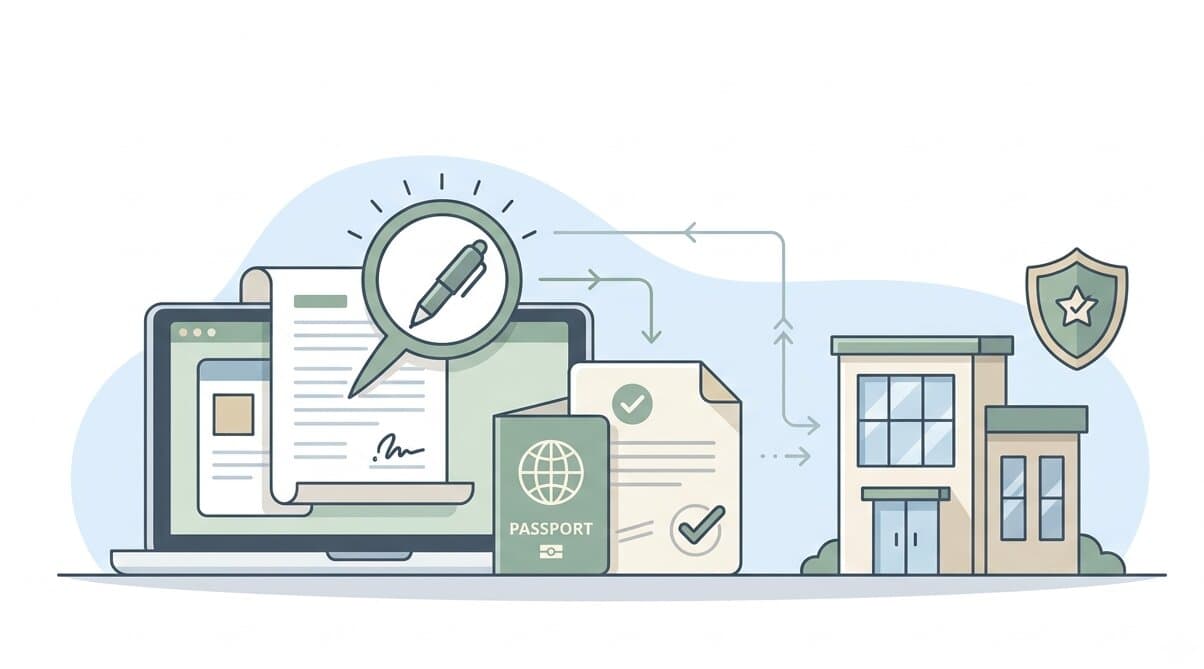
Can be completed 100% online
No physical presence required in India
Requires DSC and authorized representatives
Filed through MCA portal
Similar to incorporation, closure is also a digital process.
Step-by-Step Company Closure Process
Step 1: Board Resolution
Pass resolution approving closure
Obtain consent from directors
Step 2: Clear All Liabilities
Settle:
Debts
Taxes
Vendor payments
Step 3: Close Bank Account
Shut down company bank account
Obtain closure proof
Step 4: Prepare Documents
Gather all required legal and financial documents
Step 5: File Application with ROC
Submit application for strike-off or winding up
Step 6: Verification & Approval
Authorities review application
Company is officially removed from register
This is the reverse of the company registration process.
Documents Required for Company Closure
Foreign-owned companies must provide:
Board Resolution
Indemnity Bond
Affidavit from directors
Statement of Accounts
Passport copies of directors
Proof of no liabilities
Proper documentation ensures faster approval.
Compliance Requirements Before Closure
Before applying, ensure:
All ROC filings are completed
Income tax returns are filed
No pending legal cases
No outstanding liabilities
Non-compliance can lead to rejection or delays.
Timeline for Company Closure
Factors Affecting Timeline
Documentation accuracy
Pending compliances
Type of closure method
Why Investors from UK, UAE, Singapore, Japan & Germany Need Proper Closure
Key Benefits
Avoid future legal liabilities
Prevent penalties and notices
Maintain clean compliance record
Easier future business entry in India
Common Challenges
Managing closure remotely
Understanding legal requirements
Coordinating documentation
Professional guidance can simplify the process.
Conclusion
Closing a company in India is a structured legal process that requires careful planning and compliance.
For foreign owners from the UK, UAE, Singapore, Japan, and Germany, the ability to complete the process remotely makes it convenient—but accuracy and compliance are critical. By following the correct steps and ensuring all legal requirements are met, you can exit the Indian market smoothly and without complications.
Looking to register a company in India? Visit our India Incorporation Services page for expert guidance.
FAQs (Frequently Asked Question)
1. Can foreign owners close a company in India remotely?
Yes, the entire process can be completed online using DSC and authorized representatives.
2. What is the easiest way to close a company in India?
Strike Off is the simplest method if the company has no liabilities.
3. How long does it take to close a company in India?
It usually takes around 3 to 6 months, depending on compliance and approvals.
4. Is it mandatory to clear all liabilities before closure?
Yes, all debts, taxes, and dues must be cleared before applying for closure.
5. What happens if I don’t close an inactive company?
You may face penalties, compliance notices, and ongoing legal obligations.