.svg)
.svg)
.svg)
How to Open a Current Bank Account for an Indian Company as an NRI
Learn how NRIs can open a current bank account for an Indian company. Step-by-step 2026 guide covering documents, FEMA rules, RBI compliance & best banks.

Accorp Compliance Team
Our team of compliance experts specializes in PCI DSS, SOC 2, and other security frameworks to help businesses achieve and maintain compliance.
An NRI who has incorporated a company in India can open a current bank account for that company by submitting the incorporation documents, KYC papers, and FEMA-compliant NRI identity proof to any scheduled commercial bank in India. The account is opened in the company's name — not as a personal NRI account — and is governed by RBI and Companies Act guidelines.
Why Opening a Business Current Account in India Matters for NRIs
If you are a Non-Resident Indian (NRI) who has set up a Private Limited Company, LLP, or any other registered entity in India, a dedicated current bank account is not optional — it is a legal and operational necessity.
Every business transaction, including receiving client payments, paying vendors, managing payroll, and filing GST, flows through this account. Without it, your Indian company cannot function. More importantly, foreign remittances from the US or any overseas location into your Indian company must come through a properly set up current account linked to your business entity under FEMA guidelines.
This guide walks you through everything you need to know — account types, required documents, the step-by-step process, and common compliance mistakes to avoid.
Current Account vs NRE/NRO Account — What's the Difference?
Many NRIs confuse a business current account with a personal NRE or NRO account. These are entirely different.
A Current Account is opened in the name of the Indian company. It holds the business's operating funds and is used for day-to-day transactions. This is a rupee-denominated account regulated under the Companies Act and RBI's banking guidelines.
An NRE or NRO Account is a personal account held in the NRI's individual name. FEMA rules do not allow NRIs to hold a regular savings bank account — they must use NRE or NRO accounts for personal banking. However, for running a registered Indian company, neither NRE nor NRO accounts are suitable — a proper business current account is required.
Which Banks Allow NRIs to Open a Business Current Account in India?
Most major scheduled commercial banks in India allow NRI directors to open a current account for their registered Indian company. These include HDFC Bank, ICICI Bank, Axis Bank, Kotak Mahindra Bank, Yes Bank, and State Bank of India (SBI).
The account is opened in the company's name, with the NRI director(s) as authorized signatories. Each bank has slightly different document requirements, but the core process is consistent across all RBI-regulated banks.
Documents Required to Open a Current Account for an Indian Company (NRI Director)
Company Documents:
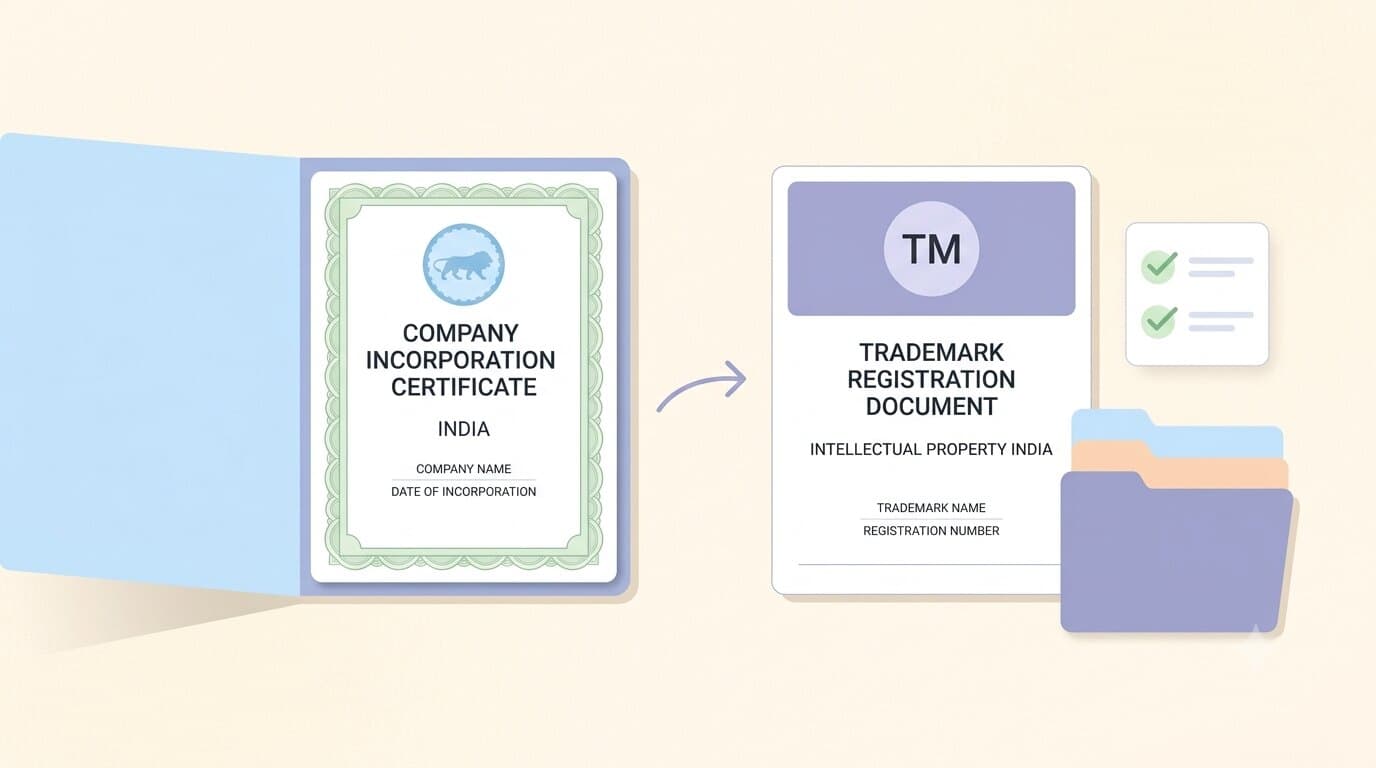
Certificate of Incorporation (from MCA)
Memorandum of Association (MOA) and Articles of Association (AOA)
PAN Card of the company
GST Registration Certificate (if applicable)
Board Resolution authorizing account opening and naming authorized signatories
NRI Director's Personal Documents:
Valid Indian or foreign passport
Valid US visa or residency proof (work permit, green card, or equivalent)
Overseas address proof — utility bill or bank statement not older than 3 months
PAN Card (mandatory for all financial transactions in India)
Passport-size photographs
Important Note on Attestation: Most banks require documents to be attested by an Indian Embassy official, a public notary, or an overseas bank authorized by the bank. If you are applying from the US, get documents notarized by a US Notary Public or attested at the Indian Consulate.
Step-by-Step Process to Open a Business Current Account in India as an NRI
Step 1 — Complete Company Incorporation First-Before approaching any bank, ensure your Indian company is fully registered with the Ministry of Corporate Affairs (MCA) and has a valid CIN (Company Identification Number), PAN, and if applicable, GST registration.
Step 2 — Pass a Board Resolution-The company's board must pass a formal resolution authorizing the opening of a current account, naming the bank, and designating which directors will be authorized signatories on the account.
Step 3 — Choose Your Bank and Visit or Apply Online-Select a bank based on your business needs — transaction volumes, international wire transfer capability, and NRI-friendly services. Some banks now allow full online account opening through video KYC and e-KYC, while others still require notarized documents or couriered forms.
Step 4 — Submit KYC Documents-Submit all company documents along with personal KYC documents of the NRI director(s). Ensure all overseas documents are properly attested.
Step 5 — Activate the Account and Set Up Foreign Remittance-Once the account is active, set up inward remittance capability so that funds from your US entity or personal overseas account can be received into the Indian company account under FEMA's permissible routes — typically FDI or inter-company loans.
FEMA Compliance Points NRIs Must Know
When an NRI invests money into their Indian company's current account from overseas, it must be reported to the RBI under the FIRMS Portal. Foreign capital infusion in the form of equity triggers an FC-GPR filing, which must be completed within 30 days of share allotment. Failure to comply can result in penalties under FEMA Section 13.
Additionally, any repatriation of profits from the company back to the US requires proper documentation, including a CA certificate and tax clearance, as per RBI's current account transaction rules.
Final Thoughts
Opening a current bank account for your Indian company as an NRI is a straightforward process once your incorporation is complete and your documents are in order. The key is ensuring FEMA compliance from day one — especially when it comes to foreign capital inflows and profit repatriation.
Working with a professional India incorporation advisor ensures that your business banking setup, RBI filings, and compliance obligations are handled correctly, so you can focus on growing your business in India from the US.
Looking to register a company in India? Visit our India Incorporation Services page for expert guidance.
FAQs (Frequently Asked Questions)
1. Can an NRI be the sole director and open a current account for an Indian company?
Yes, but at least one director must be an Indian resident as per Section 149(3) of the Companies Act, 2013. The NRI can be the majority shareholder and hold a key directorial role.
2. Can I open the current account remotely from the US?
Many banks offer video KYC-based account opening, but some documents may need to be couriered. HDFC, ICICI, and Axis Bank have dedicated NRI business banking desks for this purpose.
3. What is the minimum balance for a business current account in India?
It varies by bank. Typically ranges between ₹10,000 to ₹1,00,000 depending on the account variant and bank.