.svg)
.svg)
.svg)
How Transfer Pricing Methods Shape Accurate Pricing in Cross-Border Transactions
Understand how transfer pricing methods impact cross border transactions. Learn key rules, compliance requirements and ensure accurate pricing for global business operations.

Accorp Compliance Team
Our team of compliance experts specializes in PCI DSS, SOC 2, and other security frameworks to help businesses achieve and maintain compliance.
When your business operates across borders, pricing is no longer just a commercial decision—it becomes a compliance requirement. For foreign investors managing an Indian subsidiary, every transaction between related entities must follow strict transfer pricing rules. These rules ensure that pricing reflects real market value, not internal arrangements.
If you are planning company formation in India or already operating through a subsidiary, understanding transfer pricing methods is essential to avoid regulatory risks and ensure smooth global operations.
Why Transfer Pricing Methods Matter for Global Businesses
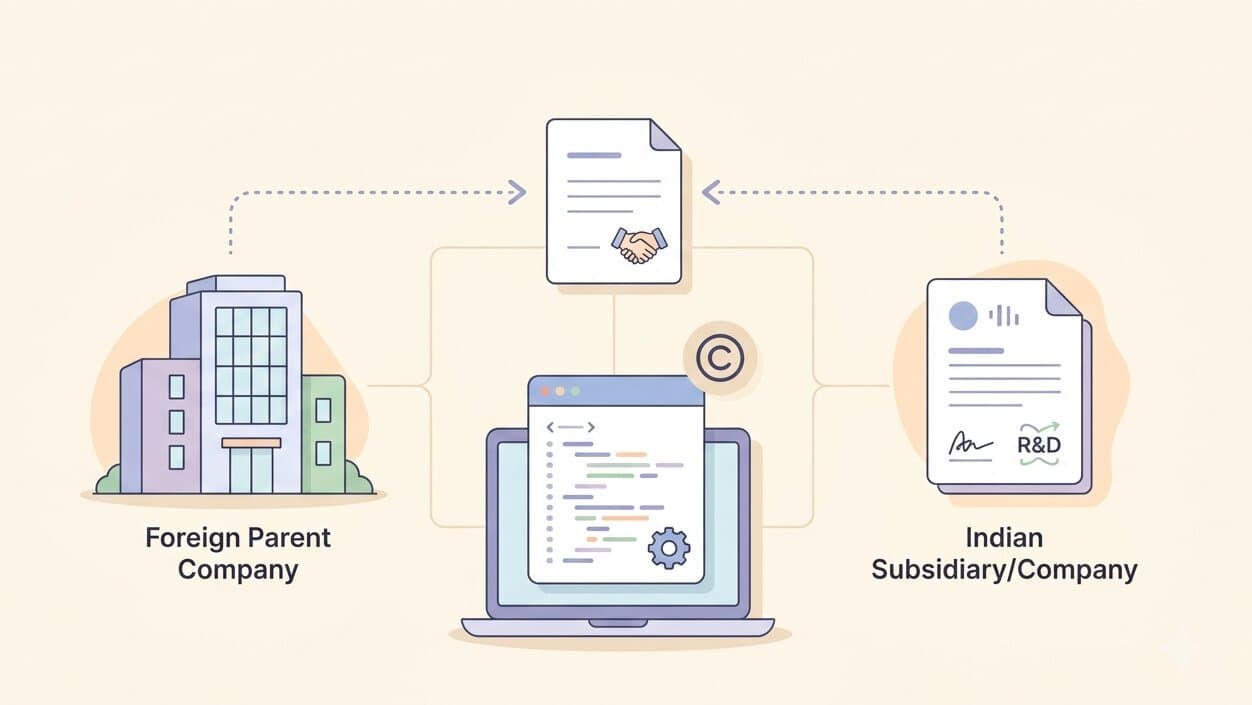
When a parent company outside India transacts with its Indian subsidiary, the pricing must follow the “arm’s length principle.” This means the price should be the same as if the transaction happened between unrelated parties.
For businesses using foreign company incorporation services, this is a critical compliance requirement because Indian tax authorities closely examine such transactions.
Transfer pricing methods help determine whether your pricing meets this standard.
The Arm’s Length Principle: The Foundation of Pricing
At the core of transfer pricing lies the arm’s length principle. It ensures fairness and prevents profit shifting between countries.
For example:
If your US-based company charges service fees to your Indian subsidiary, the pricing must reflect market rates.
If your Indian entity pays royalties, the rate must align with comparable industry transactions.
This becomes especially relevant after completing the India incorporation.
Key Transfer Pricing Methods Explained
To determine arm’s length pricing, several internationally accepted methods are used. Choosing the right method depends on the nature of your business and transactions.
1. Comparable Uncontrolled Price (CUP) Method
The CUP method compares the price charged in a related-party transaction with the price charged in a similar transaction between independent parties.
Best suited for:
Commodity transactions
Financial transactions (like loans)
Licensing or royalty agreements
Why it’s important:
This is considered the most reliable method because it directly compares market prices. However, it requires highly accurate comparable data, which is not always easy to find.
2. Resale Price Method (RPM)
RPM is used when goods are purchased from a related party and then resold to an independent customer.
How it works:
The resale price is reduced by a normal gross profit margin to determine the arm’s length purchase price.
Best suited for:
Distributors
Trading companies
Import-export businesses
Why it’s useful:
It works well when the reseller does not add significant value to the product.
3. Cost Plus Method
This method calculates the arm’s length price by adding an appropriate profit margin to the cost incurred.
Best suited for:
Service providers
Manufacturing units
Back-office or support functions
Why it’s widely used:
It is simple and effective when cost structures are clear and comparable margins are available.
4. Transactional Net Margin Method (TNMM)
TNMM compares the net profit margin of your company with similar independent companies operating under similar conditions.
Best suited for:
Complex transactions
Businesses with limited comparable pricing data
Service and manufacturing sectors
Why it’s popular:
TNMM is the most commonly used method in India because it is flexible and easier to apply when direct price comparisons are not available.
5. Profit Split Method (PSM)
This method divides the combined profit from a transaction between related entities based on their contribution.
Best suited for:
Highly integrated operations
Businesses involving intangible assets (like technology or IP)
Joint development projects
Why it’s important:
It reflects the economic reality where both entities contribute significantly to value creation.
How to Choose the Right Transfer Pricing Method
There is no one-size-fits-all approach. The choice depends on:
Nature of the transaction (goods, services, royalties)
Availability of comparable data
Business model and industry
For companies going through the online company registration process, selecting the correct method early helps avoid future compliance issues.
Transfer Pricing Compliance in India
Once your company is operational, compliance becomes an ongoing responsibility.
Key Requirements Include:
Preparing detailed transfer pricing documentation
Conducting benchmarking analysis
Filing Form 3CEB annually
These requirements apply to all companies formed through India online company registration involving cross-border transactions.
Risks of Incorrect Transfer Pricing
Improper pricing can lead to serious consequences.
Some common risks include:
Tax adjustments by authorities
Heavy penalties and interest
Increased scrutiny and audits
Even if you followed all steps on how to register a company in India, non-compliance in transfer pricing can create long-term issues.
Managing Transfer Pricing Remotely
One of the biggest advantages for foreign investors today is the ability to manage compliance remotely.
With India online company registration, you can:
Maintain digital records
Coordinate with advisors online
Track filings without visiting India
This makes it easier to register company remotely India while staying compliant.
Cost Considerations for Compliance
Transfer pricing compliance involves certain costs, such as:
Professional advisory fees
Benchmarking and documentation costs
Audit and reporting expenses
These should be considered along with the pvt ltd company registration cost in India.
Practical Tips for Foreign Investors
To ensure smooth compliance:
Document all intercompany transactions clearly
Use appropriate transfer pricing methods
Review pricing policies regularly
These steps are essential for anyone exploring how to register a business in India with global operations.
Turning Compliance into a Strategic Advantage
Transfer pricing is often seen as a regulatory burden—but in reality, it is a strategic tool. When implemented correctly, it ensures transparency, reduces tax risks, and strengthens your global business structure.
For foreign investors operating in India, understanding and applying the right transfer pricing methods is key to long-term success. With proper planning and expert guidance, you can not only meet compliance requirements but also optimize your business operations across borders.