.svg)
.svg)
.svg)
Indian Subsidiary Setup Guide for British & German Businesses
Learn how UK & German companies can set up an Indian subsidiary in 2026. Step-by-step guide, costs, legal rules & remote registration explained.

Accorp Compliance Team
Our team of compliance experts specializes in PCI DSS, SOC 2, and other security frameworks to help businesses achieve and maintain compliance.
Expanding your business internationally is no longer limited to large corporations. In 2026, many UK and German companies—from startups to mid-sized firms—are exploring new markets to scale operations and reduce costs.
Setting up an Indian subsidiary is one of the most practical ways to enter India. It allows foreign businesses to operate locally while maintaining full control of their brand and operations.
However, understanding how to register a company in India, navigating compliance rules, and managing the online company registration process can feel complex without guidance.
What Is an Indian Subsidiary?
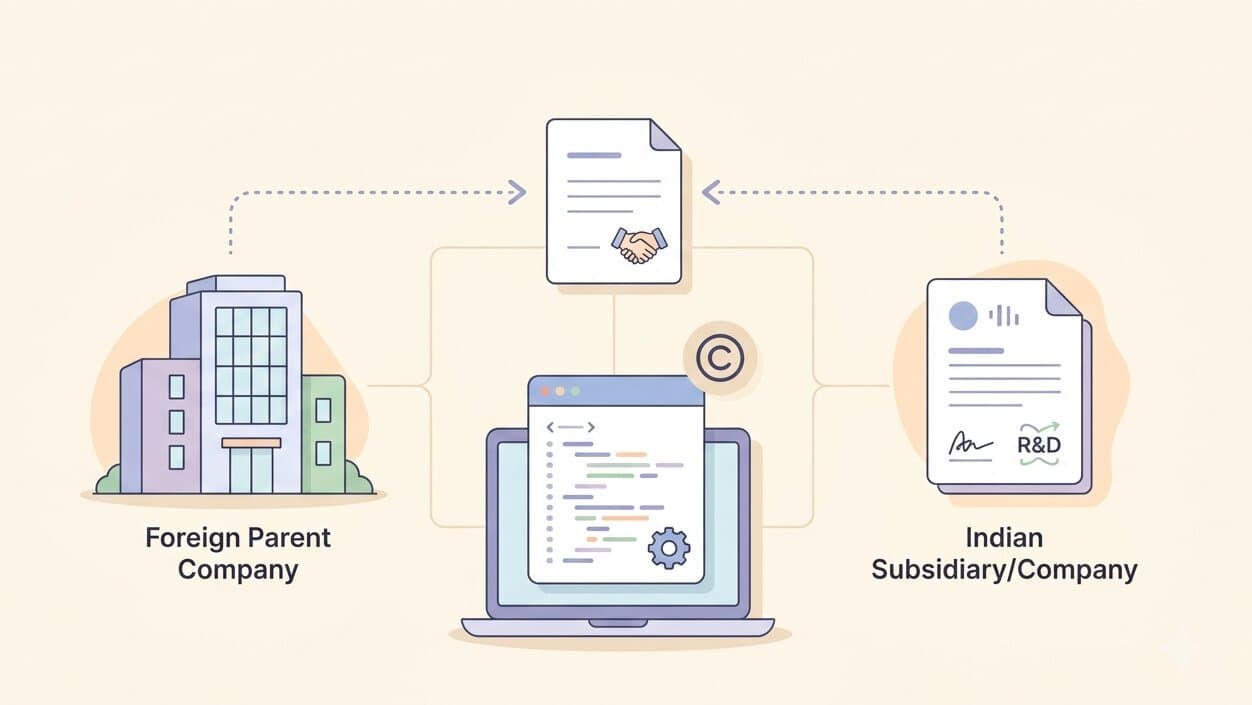
An Indian subsidiary is a company registered in India that is owned (fully or partially) by a foreign parent company.
Key Features:
Separate legal entity from the parent company
Limited liability protection
Eligible for foreign direct investment (FDI)
Can operate commercially in India
For most foreign businesses, a private limited company registration in India is the preferred structure for setting up a subsidiary.
Why British & German Businesses Choose India
India offers strong advantages compared to European markets:
Cost Efficiency: Lower operational and staffing costs
Skilled Workforce: Large pool of English-speaking professionals
Market Expansion: Access to a rapidly growing consumer base
Digital Ecosystem: Strong IT and startup infrastructure
Ease of Setup: Streamlined India online company registration system
Step-by-Step: Indian Subsidiary Setup Process
Setting up a subsidiary involves a structured online registration of company process.
1. Choose the Business Structure
The most suitable structure is:
Private Limited Company (Pvt Ltd)
Allows 100% foreign ownership in many sectors
Recognized globally
Ideal for scaling and fundraising
This is the foundation of company formation in India for foreign entities.
2. Understand Key Legal Requirements
Before starting, you must be aware of key Indian compliance terms:
PAN (Permanent Account Number): Company tax ID
DIN (Director Identification Number): Required for directors
GST (Goods and Services Tax): Indirect tax registration
Resident Director: At least one director must live in India
3. Prepare Required Documents
Foreign companies must provide:
Certificate of incorporation of parent company
Board resolution approving Indian subsidiary
Passport and address proof of directors
Registered office address in India
With modern foreign company incorporation services, document handling is fully digital.
4. Complete the Online Company Registration Process
The online company registration process includes:
Name reservation with Indian authorities
Filing incorporation documents
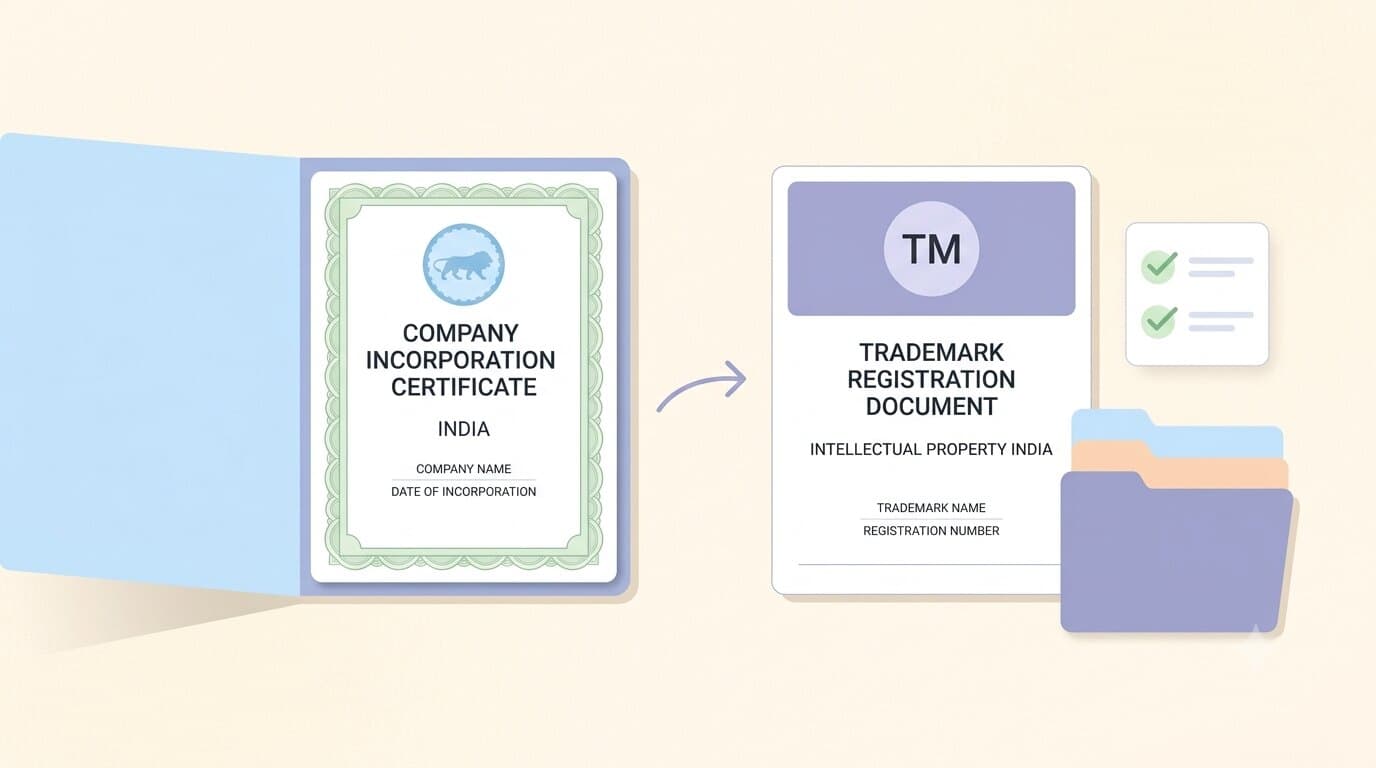
Obtaining Certificate of Incorporation
This step completes the legal india incorporation.
5. Post-Incorporation Setup
After registration, you must:
Open a corporate bank account in India
Apply for PAN and GST
Set up accounting and compliance systems
Cost of Setting Up an Indian Subsidiary
The pvt ltd company registration cost in India varies depending on:
Government fees
Professional service charges
Compliance requirements
General Cost Insight:
Lower than UK or Germany incorporation costs
Affordable for startups and SMEs
Scalable based on business needs
Using expert company incorporation services India ensures cost transparency and compliance.
Can You Register a Company in India Remotely?
Yes. One of the biggest advantages in 2026 is the ability to register company remotely in India.
You can:
Submit documents online
Use digital signatures
Complete the entire online registration of company from abroad
Key Compliance Considerations
When entering India, keep these factors in mind:
FDI Regulations: Sector-specific rules under FEMA (Foreign Exchange Management Act)
Annual Filings: Mandatory compliance even if inactive
Taxation: Corporate tax and GST obligations
Local Support: Having a reliable resident director and compliance partner is essential
Conclusion
Setting up an Indian subsidiary is a strategic move for British and German businesses looking to expand globally in 2026.
With a simplified India online company registration system and access to professional company incorporation services India, the process is more accessible than ever—even without visiting India.
To succeed:
Choose the right structure (Pvt Ltd is ideal)
Ensure compliance from the start
Use expert assistance for smooth execution
India offers long-term growth potential, and early entry can give your business a strong competitive edge.
Also Read: What Happens If You Don’t Register Your Business in India? Risks Explained
FAQs (Frequently Asked Question)
1. Can a UK or German company fully own an Indian subsidiary?
Yes. In most sectors, 100% foreign ownership is allowed under India’s FDI policy.
2. Is it mandatory to have a resident director in India?
Yes. Every company must appoint at least one resident director who resides in India.
3. How long does it take to register a company in India?
The online company registration process usually takes 7–14 working days, depending on documentation.
4. What is the best structure for foreign businesses in India?
A private limited company registration in India is the most preferred and flexible option.