.svg)
.svg)
.svg)
LLP vs OPC vs Pvt Ltd: Complete Comparison Guide (2026)
Confused between LLP, OPC, and Pvt Ltd? Compare all three structures for company formation in India, costs, and Pvt Ltd company registration benefits. Read More.

Accorp Compliance Team
Our team of compliance experts specializes in PCI DSS, SOC 2, and other security frameworks to help businesses achieve and maintain compliance.
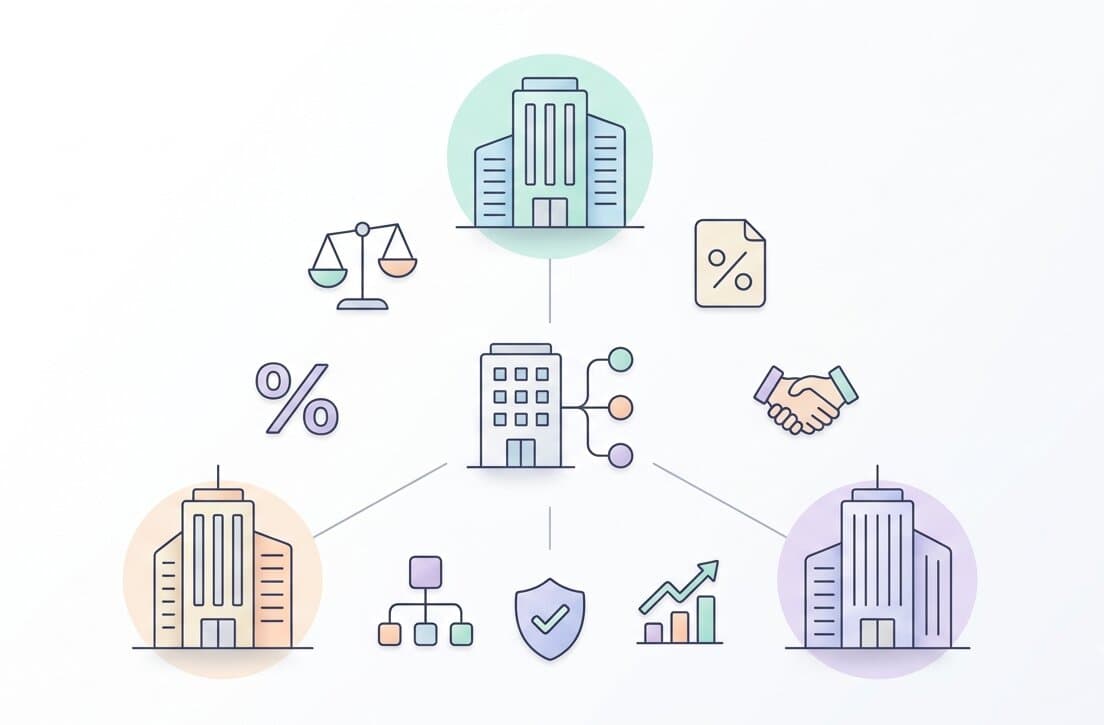
In India establishing a business is no longer just about an idea—it’s about picking the right legal structure that supports your growth, funding plans, and compliance needs. Whether you are a solo founder or building a startup team, understanding the difference between LLP, OPC, and Private Limited Company is essential for smooth company formation in India. This guide breaks down each structure in a practical way so you can decide what fits your business in 2026.
Understanding the Three Business Structures
Before diving into comparisons, let’s quickly understand what each structure represents.
Limited Liability Partnership (LLP)
An LLP is a partnership where all partners have limited liability. It combines flexibility with basic legal protection, making it suitable for small businesses and professionals.
One Person Company (OPC)
OPC is designed for solo entrepreneurs who want a corporate structure. It offers limited liability with only one owner, making it a step above proprietorship.
Private Limited Company
A Private Limited Company is a separate legal entity with shareholders and directors. It is the most preferred structure for startups under private limited company registration in India.
Legal Identity and Liability Protection
One of the biggest differences lies in legal protection.
LLP and Pvt Ltd both offer a strong legal identity
OPC also provides limited liability for a single owner
All three structures protect personal assets
This legal framework becomes important when planning how to register a company in India for long-term operations.
Ownership and Management Structure
Each structure is built differently:
LLP requires at least 2 partners
OPC allows only 1 owner
Pvt Ltd needs at least 2 shareholders and directors
If you are starting alone, OPC works well. But if you plan to scale or bring investors, Pvt Ltd is more suitable.
Compliance Requirements Explained
Compliance is a key factor that impacts your daily operations.
LLP:
Fewer filings
No mandatory board meetings
Simple compliance
OPC:
Annual filings required
Moderate compliance
Private Limited Company:
Mandatory audits
Board meetings
Strict compliance rules
These are part of the online company registration process and ongoing legal responsibilities.
Taxation Structure Comparison
Tax planning plays a major role in selecting the right structure.
LLP: Flat tax rate, no dividend tax
OPC: Corporate tax applies
Pvt Ltd: Corporate tax with additional compliance
Understanding taxation helps entrepreneurs manage finances better when exploring how to open a company in India.
Funding and Investment Potential
Funding is where the real difference appears.
LLP: Limited external funding options
OPC: Not ideal for investors
Pvt Ltd: Best for raising capital
Investors prefer Private Limited Companies because they allow equity sharing. This makes Pvt Ltd the top choice during India incorporation for startups.
Cost of Registration and Maintenance
Budget is another deciding factor:
LLP: Most affordable
OPC: Moderate cost
Pvt Ltd: Higher setup and compliance costs
The cost of registering a private limited company in India may be higher, but it offers better scalability and funding opportunities.
Ease of Online Registration
Thanks to digital systems, setting up any of these structures is now easier.
Through India's online company registration, entrepreneurs can complete documentation and filings online. You can also register company remotely India without visiting any office.
Role of Resident Director
A Private Limited Company must have at least one resident director, ensuring compliance with Indian laws.
This requirement makes Pvt Ltd more structured, while LLP remains more flexible in management.
Growth and Scalability
Business growth depends heavily on the structure you choose.
LLP is ideal for small or service-based businesses
OPC is suitable for solo entrepreneurs planning gradual growth
Pvt Ltd is best for scaling, funding, and expansion
This makes Pvt Ltd a strong option for those planning how to register a business in India with long-term goals.
Flexibility and Conversion Options
As your business grows, you may want to upgrade your structure:
OPC can convert into Pvt Ltd
LLP can also be converted into a company
Proprietorship can shift to OPC or Pvt Ltd
Planning this early helps streamline the online company registration process later.
Suitability for Foreign Investment
For global expansion or foreign funding:
LLP has restrictions
OPC is not ideal
Pvt Ltd is highly preferred
Businesses entering India often rely on foreign company incorporation services to ensure compliance and a smooth setup.
How Professional Services Add Value
Setting up a business involves multiple steps, from documentation to compliance. Professional company incorporation services India can help with:
Structure selection
Registration process
Legal documentation
Ongoing compliance
This ensures accuracy and saves time.
Final Thoughts
LLP, OPC, and Private Limited Company each serve different purposes. LLP offers simplicity and low compliance, OPC provides a structured option for solo founders, and Pvt Ltd delivers scalability and funding opportunities.
Your decision should align with your business goals, budget, and growth plans. With the right structure in place, you can build a strong foundation and navigate the Indian business landscape with confidence in 2026.
Planning to expand your business in India? Explore our India Incorporation Services and get started in just 7–10 days