.svg)
.svg)
.svg)
Should UK, UAE, Singapore, Japan & Germany Companies Outsource Transfer Pricing in India? (2026 Guide)
Learn whether foreign companies should manage transfer pricing in-house or outsource it. Understand compliance, cost, and company formation in India. Read now.

Accorp Compliance Team
Our team of compliance experts specializes in PCI DSS, SOC 2, and other security frameworks to help businesses achieve and maintain compliance.
If you are a business from the UK, UAE, Singapore, Japan, or Germany planning company formation in India or already completed India online company registration, managing tax compliance becomes very important.
One of the most critical compliance areas is transfer pricing, which applies to transactions between your foreign parent company and Indian subsidiary.
After completing the online registration of company, many foreign businesses face one common question:
Should transfer pricing be handled in-house or outsourced?
In this guide, we will help you understand both options in a simple way so you can make the right decision.
What is Transfer Pricing and Why It Matters?
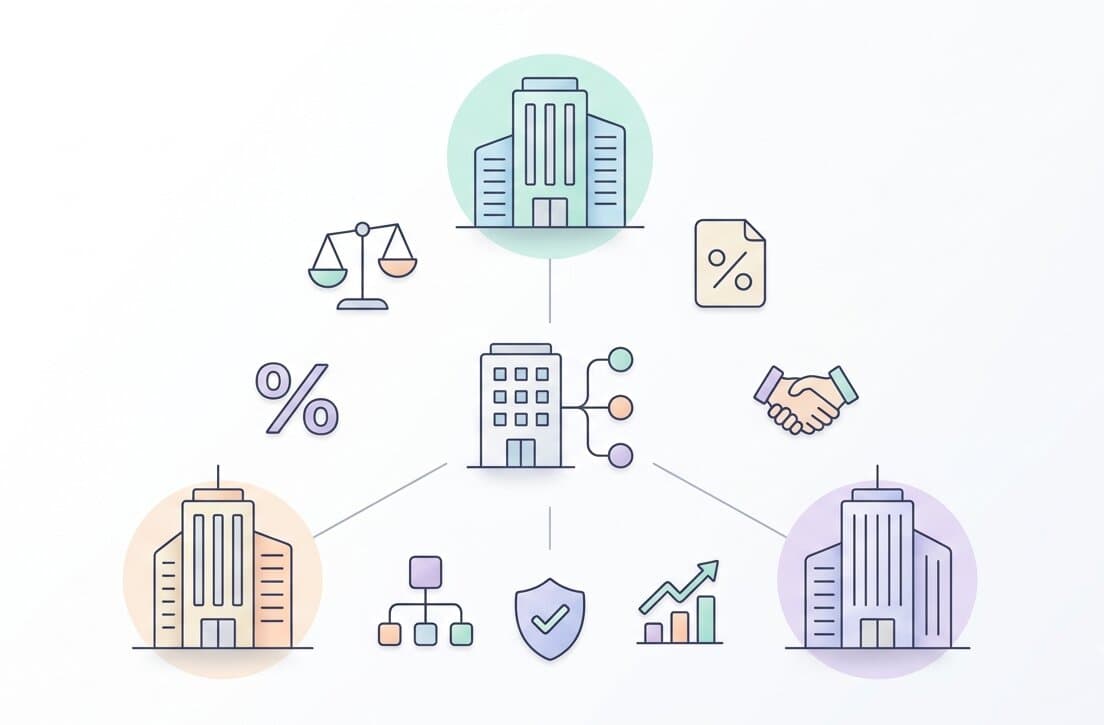
Transfer pricing refers to pricing of transactions between related entities across countries.
For example:
A UK or UAE parent company charging its Indian subsidiary
Licensing intellectual property to India
Providing services across borders
If you have completed private limited company registration in India, transfer pricing rules automatically apply.
India has strict regulations under tax laws. Non-compliance can lead to penalties, audits, and legal issues—especially for companies using foreign company incorporation services.
In-House Transfer Pricing Management
Managing transfer pricing in-house means building your own internal finance or tax team after India incorporation.
Advantages
Full control over financial and transaction data
Better understanding of internal business operations
Faster decision-making
Challenges
High cost of hiring experienced professionals
Continuous updates required for Indian tax laws
Risk of errors if expertise is limited
For companies that recently completed online company registration process, building an in-house team may not be practical.
Outsourcing Transfer Pricing Services
Outsourcing means hiring external experts or firms to manage compliance, documentation, and reporting.
Benefits
Access to expert knowledge and experience
Lower operational costs compared to in-house team
Reduced risk of penalties and non-compliance
Saves time to focus on core business
This option is ideal for companies that register company remotely India and do not have a strong local team.
Key Factors to Decide Between In-House vs Outsourcing
1. Business Size and Transactions
Large companies → may prefer in-house or hybrid
Small and mid-sized → outsourcing is better
2. Cost and Budget
Setting up an in-house team involves:
Salaries
Training
Compliance tools
Outsourcing is more cost-effective, especially for businesses learning how to open a company in India.
3. Compliance Complexity
Transfer pricing requires:
Detailed documentation
Form 3CEB filing
Benchmarking analysis
Many companies rely on company incorporation services India for handling this.
4. Remote Business Operations
If you manage your business from the UK, UAE, Singapore, Japan, or Germany, outsourcing becomes more practical.
It aligns with:
Online company registration process
Digital compliance systems
Remote management model
When Should You Choose In-House vs Outsourcing?
Choose In-House If:
You have a large-scale operation in India
High volume of intercompany transactions
Budget for a dedicated tax team
Choose Outsourcing If:
You are a startup or mid-sized company
Recently completed pvt ltd company registration in India
You operate remotely
You want to reduce compliance risk
Most businesses starting with India online company registration prefer outsourcing first and shift later if needed.
Final Thought
Transfer pricing is a critical compliance requirement after company formation in India, especially for foreign-owned companies.
Choosing between in-house and outsourcing depends on your business size, budget, and operational structure.
For most UK, UAE, Singapore, Japan, and Germany companies, outsourcing is a more practical and cost-effective solution in the early stages. It ensures compliance, reduces risk, and allows you to focus on growing your business in India.
With the right approach, you can manage transfer pricing smoothly and build a strong foundation for long-term success.
Also Read: Post Incorporation Compliances: What Every New Company Must Do Next
FAQs (Frequently Asked Question)
1. What is transfer pricing in simple terms?
Transfer pricing is pricing of transactions between related companies in different countries.
2. Is outsourcing transfer pricing allowed in India?
Yes, companies can hire professionals to manage compliance and documentation.
3. Which option is better for startups?
Outsourcing is usually better due to lower cost and expert support.
4. Can foreign companies manage transfer pricing remotely?
Yes, outsourcing makes it easy to handle compliance remotely.
5. Is transfer pricing mandatory for foreign companies in India?
Yes, if there are international transactions, compliance is required.