.svg)
.svg)
.svg)
Switch from Proprietorship to Private Limited Company with Easy Registration and Legal Process
Ready to switch from proprietorship to private limited company registration in India? Learn the easy legal process for pvt ltd company registration. Read now.

Accorp Compliance Team
Our team of compliance experts specializes in PCI DSS, SOC 2, and other security frameworks to help businesses achieve and maintain compliance.
As your business grows, operating as a sole proprietorship may start to limit your expansion, funding opportunities, and credibility. Many entrepreneurs eventually choose to convert their proprietorship into a Private Limited Company to scale efficiently. Understanding the process is essential for smooth company formation in India.
In this blog, we’ll guide you through why and how to switch from a proprietorship to a Private Limited Company.
What is a Proprietorship and Its Limitations?
A sole proprietorship is the simplest form of business where the owner and the business are legally the same. While it is easy to start, it comes with certain drawbacks:
Unlimited personal liability
Limited funding options
Lower business credibility
No separate legal identity
These limitations often push business owners to explore private limited company registration in India.
Why Convert to a Private Limited Company?
Switching to a Private Limited Company offers several advantages:
1. Limited Liability Protection
Your personal assets are protected, and liability is limited to the company’s assets.
2. Better Funding Opportunities
Investors prefer Private Limited Companies due to structured ownership.
3. Separate Legal Identity
The company is treated as a separate entity, improving trust and credibility.
4. Scalability
It becomes easier to expand operations and grow the business.
This transition is a key step for those learning how to register a business in India for long-term success.
Is Direct Conversion Possible?
There is no direct legal provision to convert a proprietorship into a Private Limited Company. Instead, a new company is incorporated, and the business is transferred.
This process is part of the online company registration process and involves setting up a fresh entity.
Step-by-Step Process to Switch to a Private Limited Company
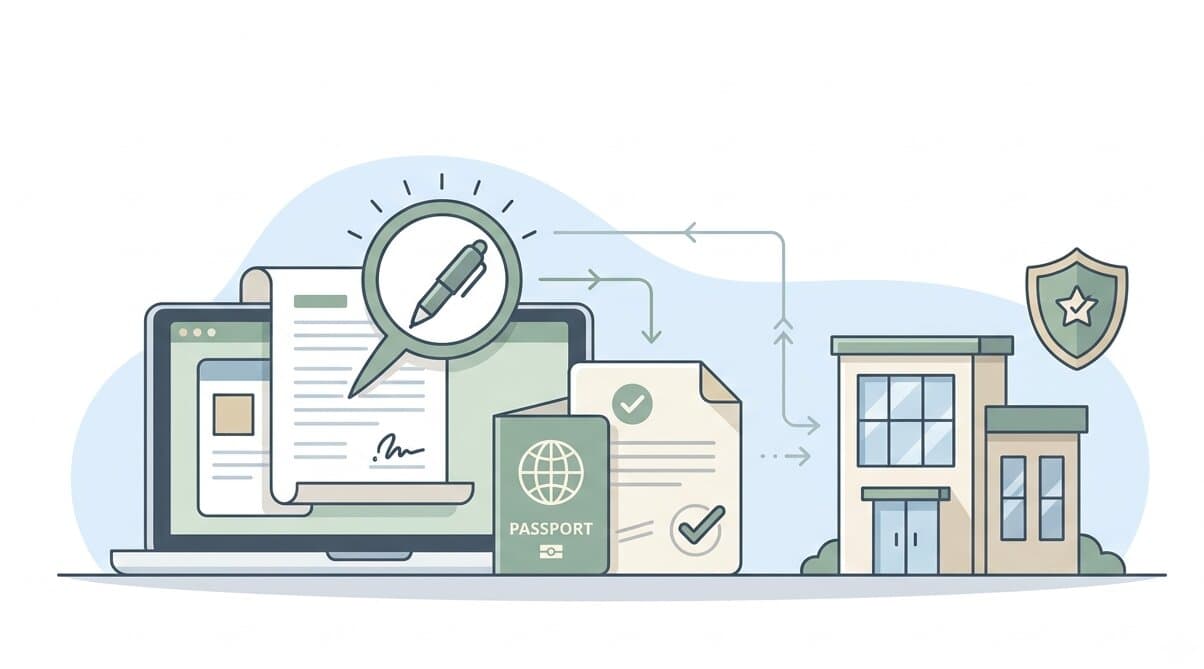
Step 1: Obtain Digital Signature Certificate (DSC)
All proposed directors must obtain a DSC to sign electronic documents.
Step 2: Apply for Director Identification Number (DIN)
Each director must have a DIN to legally operate the company.
Step 3: Name Approval
Apply for a unique company name through the MCA portal.
Step 4: File Incorporation Forms
Submit the SPICe+ form to complete online registration of company along with the required documents.
Step 5: Transfer Business
Transfer assets, liabilities, and contracts from the proprietorship to the new company.
Step 6: Obtain Certificate of Incorporation
Once approved, the company is officially registered under the India incorporation.
Documents Required for Registration
To complete the process, you’ll need:
PAN and ID proof of directors
Address proof
Registered office proof
Passport (for foreign directors, if any)
Proper documentation ensures a smooth process when learning how to register a company in India.
Role of Resident Director
A Private Limited Company must have at least one resident director who resides in India. This is a mandatory requirement for compliance.
Can You Register the Company Online?
Yes, the entire process can be completed digitally. With India's online company registration, you can handle documentation and filings online.
Entrepreneurs can also register company remotely India without visiting any government office.
Cost of Conversion
The cost of setting up a Private Limited Company depends on various factors such as government fees, documentation, and professional charges.
The pvt ltd company registration cost in India varies, but it is a worthwhile investment considering the long-term benefits.
Tax and Compliance Considerations
After conversion, the company must comply with:
Corporate tax regulations
Annual filings with MCA
GST registration (if applicable)
Maintenance of financial records
These compliance requirements are more structured compared to a proprietorship.
Impact on Existing Business Operations
When switching to a Private Limited Company:
Bank accounts must be updated
Contracts may need to be reassigned
Licenses may require modification
Proper planning ensures a smooth transition without disrupting operations.
Benefits for Business Growth
Converting to a Private Limited Company opens new opportunities:
Easier access to funding
Improved brand credibility
Better scalability
Structured management
These benefits are crucial for entrepreneurs planning how to open a company in India and expand their business.
Support for Foreign Investors
If your business involves foreign investment, compliance becomes more complex. Many businesses use foreign company incorporation services to manage legal requirements and ensure smooth operations.
How Professional Services Can Help
Switching from a proprietorship to a company involves multiple steps. Professional company incorporation services in India can assist with:
Documentation and filings
Legal compliance
Business transfer process
Ongoing support
This helps avoid errors and saves time.
Final Thoughts
Transitioning from a proprietorship to a Private Limited Company is a strategic move for business growth. While the process involves setting up a new entity and transferring operations, the long-term benefits outweigh the initial effort.
With digital systems, expert support, and proper planning, the transition can be smooth and efficient. If you’re looking to scale your business, this move can provide the structure and credibility needed for future success.
Looking to register a company in India? Visit our India Incorporation Services page for expert guidance.