.svg)
.svg)
.svg)
UAE Free Zone vs Expanding to India: Complete 2026 Guide for UAE, UK, Singapore, Japan & Germany Entrepreneurs
Compare UAE Free Zone vs India company setup for UAE, UK, Singapore, Japan & Germany entrepreneurs. Costs, process, and best choice explained

Accorp Compliance Team
Our team of compliance experts specializes in PCI DSS, SOC 2, and other security frameworks to help businesses achieve and maintain compliance.
If you're an entrepreneur based in the UAE, UK, Singapore, Japan, or Germany, one of the biggest strategic decisions is whether to start in a UAE Free Zone or expand your business into India.
Both options offer strong advantages, but they serve different business goals. This guide breaks down the differences, processes, and helps you decide the best route for your expansion strategy.
Can UAE, UK, Singapore, Japan & Germany Entrepreneurs Choose Between UAE Free Zone & India Expansion?
Yes, global founders can:
Start a company in a UAE Free Zone
Expand or register a company in India
Operate in both markets simultaneously
The right choice depends on your target market, cost strategy, and growth vision.
Understanding UAE Free Zone Business Setup for Foreign Entrepreneurs
A UAE Free Zone company is a business entity established in designated economic zones offering tax and ownership benefits.
Key Features
100% foreign ownership
Zero or low corporate tax (in many zones)
Easy international trade setup
Fast incorporation (2–5 days)
Best for global trading, holding companies, and tax optimization
Understanding Company Expansion in India for Foreign Entrepreneurs
Expanding into India means registering a Private Limited Company or Wholly Owned Subsidiary.
Key Features
Access to a large domestic market
Cost-effective workforce
Strong startup ecosystem
High growth potential
Best for market expansion, tech startups, and scaling operations
Key Differences: UAE Free Zone vs India Company Setup for UAE, UK, Singapore, Japan & Germany Entrepreneurs
1. Market Access
UAE Free Zone: Limited to international trade
India: Direct access to a 1.4B+ population market
2. Taxation
UAE Free Zone: Tax benefits (zone-specific)
India: Standard corporate tax with incentives
3. Business Scalability
UAE: Limited domestic market
India: High scalability and growth
4. Setup Cost
UAE Free Zone: Higher initial cost
India: More affordable setup
5. Compliance
UAE: Simpler compliance
India: Moderate compliance (but structured)
Which Option is Better for UAE, UK, Singapore, Japan & Germany Entrepreneurs?
Choose UAE Free Zone if:
You want tax efficiency
Your business is international trading-based
You prefer quick setup and low compliance
Expand to India if:
You want market expansion
You are building a scalable startup
You need access to talent and cost efficiency
Best Strategy:
Many successful founders start in UAE and expand to India for growth.
Process for UAE, UK, Singapore, Japan & Germany Entrepreneurs (India Expansion)
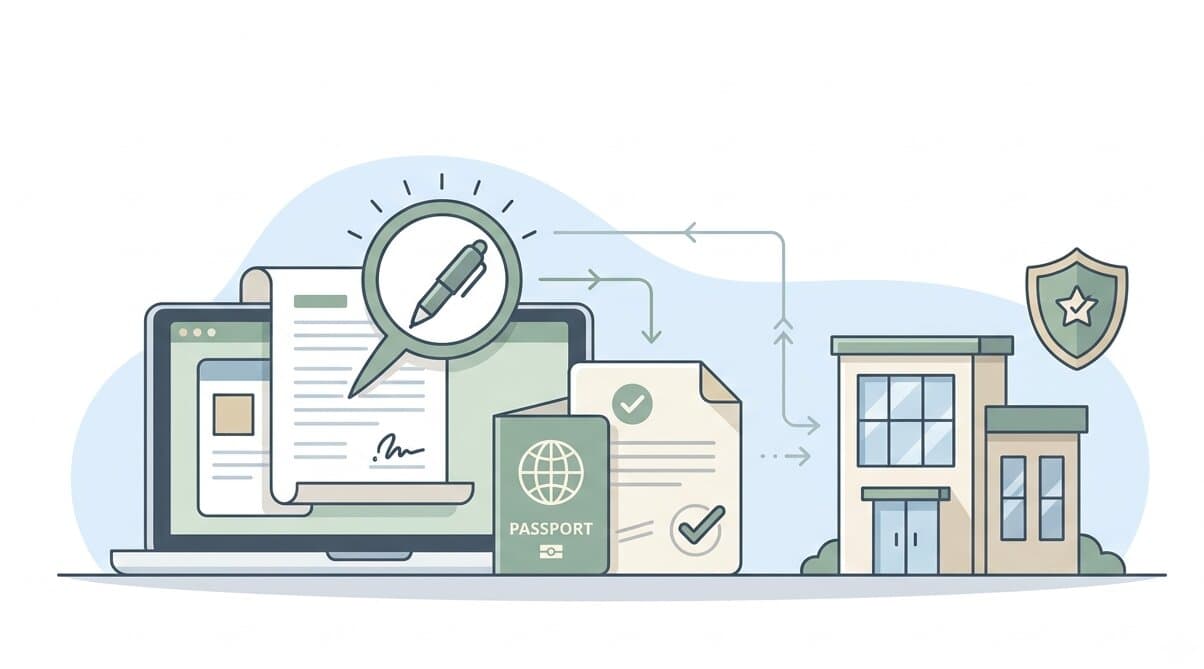
The expansion process into India is the SAME for all foreign residents:
Step 1: Choose Business Structure
Private Limited Company or Wholly Owned Subsidiary
Step 2: Digital Signature & DIN
Required for directors
Step 3: Name Approval (MCA India)
Submit company name
Step 4: Incorporation Filing
Complete registration online
Step 5: Bank Account Setup
Timeline: 7–10 working days
Documents Required for UAE, UK, Singapore, Japan & Germany Entrepreneurs (India Setup)
Passport (mandatory)
Address proof
Bank statement
Passport-size photo
Documents must be notarized or apostilled.
Why Investors from UAE, UK, Singapore, Japan & Germany Prefer India Expansion
Key Benefits
Massive consumer base
Lower operational costs
Strong digital economy
Government support (Startup India)
High ROI potential
Common Challenges (Solved)
Regulatory complexity → managed by professionals
Remote setup → fully online process
Compliance → structured and manageable
Best Use Cases: UAE vs India Strategy
UAE Free Zone Ideal For:
Import-export businesses
Holding companies
Global consulting
India Expansion Ideal For:
Tech startups
E-commerce businesses
Service-based companies
Conclusion
Both UAE Free Zone and India expansion offer unique advantages. The right choice depends on your business goals:
Choose UAE Free Zone for tax efficiency and global operations
Choose India for growth, scalability, and market access
For most UAE-based and global entrepreneurs, a hybrid strategy (UAE + India) delivers the best results.
Also Read: Understanding the Automatic Route for FDI in India Under FEMA Regulations
FAQs(Frequently Asked Questions)
1. Can I operate both in UAE Free Zone and India?
Yes, many entrepreneurs run UAE entities while expanding operations into India.
2. Which is cheaper: UAE Free Zone or India company setup?
India is generally more affordable compared to UAE Free Zones.
3. Do I need to visit India to register a company?
No, the process is fully online with notarized documents.
4. Is India better for startups than UAE?
India offers better scalability and market size, making it ideal for startups.
5. Can UAE companies open a subsidiary in India?
Yes, UAE companies can set up a wholly owned subsidiary in India.