.svg)
.svg)
.svg)
UK Ltd to India Subsidiary: Complete 2026 Guide for UK, UAE, Singapore, Japan & Germany Businesses Expanding to India
Learn how UK, UAE, Singapore, Japan & Germany companies can set up an India subsidiary. Process, documents, cost & compliance explained.

Accorp Compliance Team
Our team of compliance experts specializes in PCI DSS, SOC 2, and other security frameworks to help businesses achieve and maintain compliance.
If you run a UK Limited Company—or operate from the UAE, Singapore, Japan, or Germany—and are planning to expand into India, setting up an Indian subsidiary is one of the most effective strategies.
India offers a large consumer market, cost-efficient operations, and strong growth potential, making it a preferred destination for global business expansion.
This guide explains how to set up an India subsidiary from a UK company, including process, documents, costs, and compliance.
Can UK, UAE, Singapore, Japan & Germany Companies Set Up a Subsidiary in India?
Yes, foreign companies can establish a presence in India through a Wholly Owned Subsidiary (WOS).
100% foreign ownership allowed in many sectors
Separate legal entity in India
Full operational control
This is the most common structure for foreign companies entering India.
What is a Wholly Owned Subsidiary in India?
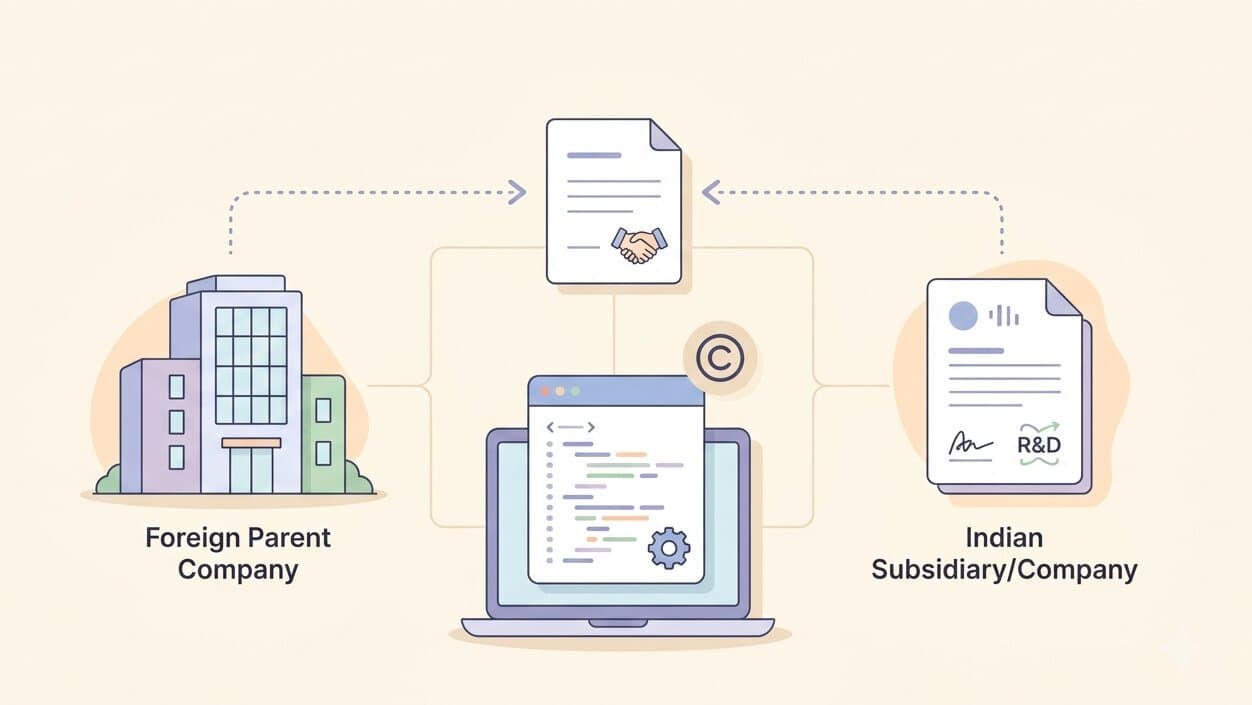
A Wholly Owned Subsidiary (WOS) is an Indian company where 100% shares are held by a foreign parent company (e.g., UK Ltd).
Key Features
Separate legal identity
Limited liability protection
Ability to operate independently in India
Eligible for FDI under automatic route (in many sectors)
Ideal for UK and global companies expanding operations in India.
Process for UK, UAE, Singapore, Japan & Germany Companies (Same Procedure)
The process to set up an Indian subsidiary is the same for all foreign companies and is completed online through the Ministry of Corporate Affairs (MCA).
Step 1: Parent Company Documentation
You need to prepare documents of the foreign parent company (UK Ltd, UAE entity, etc.), such as:
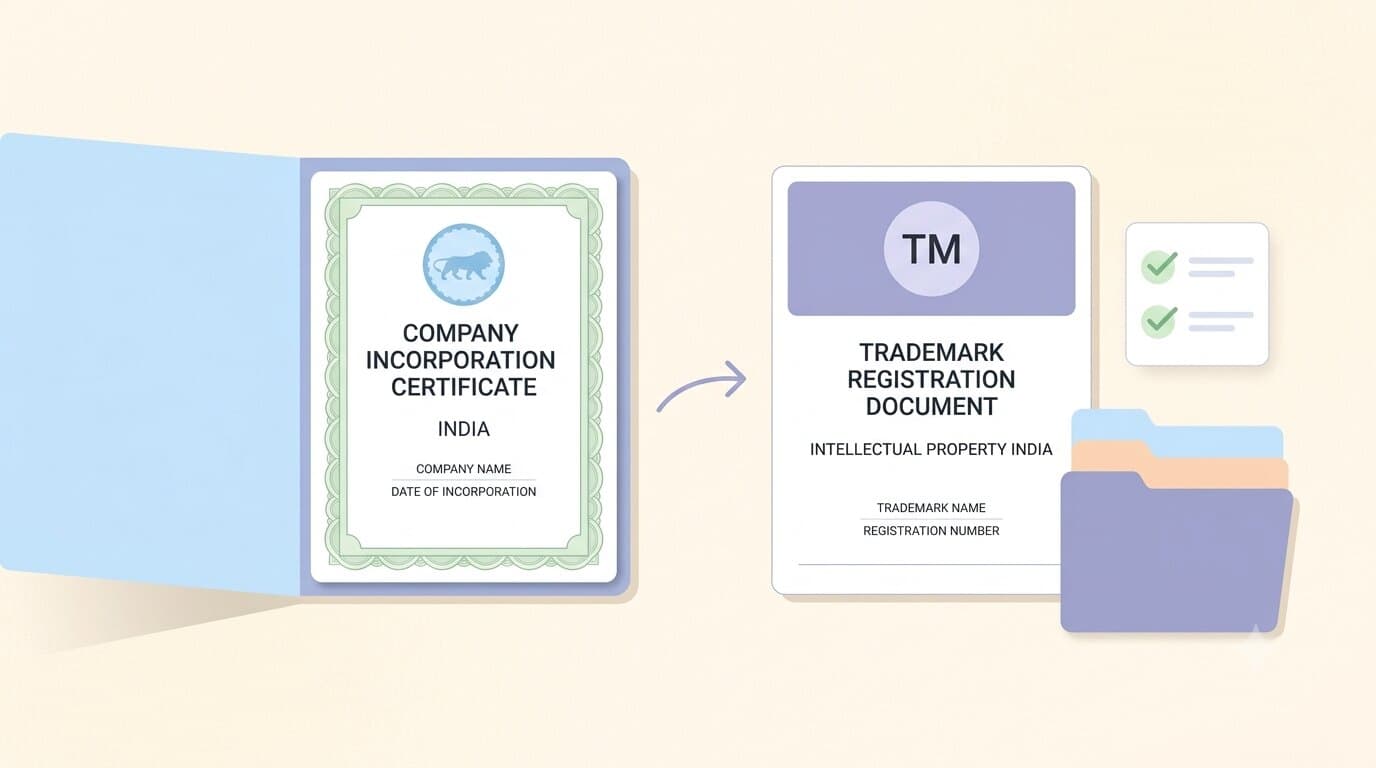
Certificate of Incorporation
Memorandum & Articles of Association (MOA & AOA)
Board Resolution approving India subsidiary
These documents must be notarized and apostilled in the home country before submission in India.
Step 2: Digital Signature Certificate (DSC) for Directors
All proposed directors must obtain a Digital Signature Certificate (DSC).
This is required to:
Sign incorporation documents electronically
File forms on the MCA portal
Step 3: Director Identification Number (DIN)
Each director must obtain a DIN (Director Identification Number).
This is a unique ID issued by the Indian government and is mandatory to legally act as a director in an Indian company.
Step 4: Name Approval (MCA India)
You must apply for a unique company name through the MCA portal.
Important points:
The name must be distinct from existing companies
It should not violate any trademarks
Step 5: Incorporation Filing (SPICe+ Form)
This is the main step where the company is officially registered.
In this stage:
MOA & AOA are submitted
Director and shareholder details are filed
Registered office address in India is provided
Step 6: PAN, TAN & Bank Account Setup
After approval:
PAN & TAN are automatically issued
A business bank account must be opened in India
This step is essential to start business operations.
Documents Required for UK, UAE, Singapore, Japan & Germany Companies
From Parent Company (UK Ltd or Foreign Entity)
Certificate of Incorporation
MOA & AOA
Board Resolution for India subsidiary
Authorized representative details
From Directors
Passport
Address proof
Photograph
All foreign documents must be notarized and apostilled in the home country.
Why Businesses from UK, UAE, Singapore, Japan & Germany Prefer India Expansion
Key Benefits
Access to a large and growing market
Cost-effective workforce
Strong IT and service ecosystem
Government support for foreign investment
High scalability potential
Common Challenges (Solved)
Regulatory complexity → handled via experts
Remote incorporation → fully digital
Compliance requirements → structured and manageable
Key Compliance Requirements After Setup
Minimum 2 directors required
At least 1 resident Indian director mandatory
Annual ROC filings
FEMA & RBI reporting (for foreign investment)
Statutory audit requirements
Best Use Cases for India Subsidiary
Expanding UK-based startups into India
Setting up offshore development centers
Entering Indian e-commerce market
Building cost-efficient operations
Conclusion
Setting up an India subsidiary from a UK Limited Company is a powerful strategy for global expansion. The process is streamlined, legally structured, and highly beneficial for accessing India’s growing market.
For most UK, UAE, Singapore, Japan, and Germany-based businesses, a Wholly Owned Subsidiary is the best entry route into India.
Looking to register a company in India? Visit our India Incorporation Services page for expert guidance.
FAQs(Frequrently Asked Question)
1. Can a UK Ltd own 100% of an Indian company?
Yes, 100% foreign ownership is allowed in many sectors under India’s FDI policy.
2. Do I need an Indian director for a subsidiary?
Yes, at least one director must be a resident Indian.
3. How long does it take to set up a subsidiary in India?
Usually 10–15 working days, depending on documentation.
4. Is apostille required for UK documents?
Yes, all foreign company documents must be notarized and apostilled.
5. What is the best structure for UK companies entering India?
A Wholly Owned Subsidiary is the most preferred and scalable structure.