.svg)
.svg)
.svg)
US Founders Guide to India Entry: Delaware vs Indian Company Structure for USA, UK, UAE, Singapore, Japan & Germany Entrepreneurs (2026)
Compare Delaware vs Indian company structure for US, UK, UAE, Singapore founders entering India. Setup, tax, and best option explained.

Accorp Compliance Team
Our team of compliance experts specializes in PCI DSS, SOC 2, and other security frameworks to help businesses achieve and maintain compliance.
If you're a US founder—or based in the UK, UAE, Singapore, Japan, or Germany—planning to enter the Indian market, one of the biggest decisions is:
Should you operate via a Delaware entity or set up a company in India?
Both structures offer strategic advantages, but your choice depends on funding plans, taxation, and expansion goals. This guide simplifies the decision with a clear comparison.
Can USA, UK, UAE, Singapore, Japan & Germany Founders Enter India?
Yes, foreign founders can legally enter the Indian market by:
Setting up an Indian Private Limited Company
Creating a Wholly Owned Subsidiary (WOS)
Operating via an existing Delaware (US) entity
India allows foreign ownership in most sectors under FDI policies.
Understanding Delaware Entity for Global Founders
A Delaware C-Corporation or LLC is a popular structure for startups, especially those targeting global investors.
Key Features
Investor-friendly (preferred by VCs)
Strong legal framework
Easy equity structuring
Suitable for global SaaS startups
Best for founders planning US-based fundraising and global expansion
Understanding Indian Company Structure for Foreign Founders
An Indian Private Limited Company or Wholly Owned Subsidiary is required for direct operations in India.
Key Features
Access to Indian market
Local billing and operations
Easier compliance with Indian regulations
Cost-effective hiring and operations
Best for founders targeting India-focused growth
Key Differences: Delaware vs Indian Company for USA, UK, UAE, Singapore, Japan & Germany Founders
1. Market Access
Delaware Entity: Limited direct access to Indian market
Indian Company: Full access to local customers
2. Fundraising
Delaware: Preferred by global VCs
India: Limited but growing investor ecosystem
3. Taxation
Delaware: US tax compliance
India: Indian corporate tax + compliance
4. Operations
Delaware: Remote/global operations
India: Local presence required
5. Compliance
Delaware: Simpler for global startups
India: Structured compliance (ROC, filings)
Which is Better for USA, UK, UAE, Singapore, Japan & Germany Founders?
Choose Delaware Entity if:
You want US-based funding (VCs/Angel investors)
Your business is global or SaaS-focused
You don’t need immediate India presence
Choose Indian Company if:
You want direct India market access
You plan to hire or operate locally
You want to build India-first or India-focused business
Pro Strategy:
Many founders use a Delaware parent + Indian subsidiary model for maximum flexibility.
Process for USA, UK, UAE, Singapore, Japan & Germany Founders (India Company Setup)
The setup process is the SAME for all foreign founders:
Step 1: Choose Structure
Decide between a Private Limited Company or a Wholly Owned Subsidiary based on your business goals, ownership, and expansion plans in India.
Step 2: Digital Signature & DIN
Directors must obtain a Digital Signature Certificate (DSC) and Director Identification Number (DIN) to sign and file incorporation documents online.
Step 3: Name Approval (MCA India)
Submit your company name through the MCA portal for approval; it must be unique and compliant, and is usually approved within 1–2 days.
Step 4: Incorporation Filing
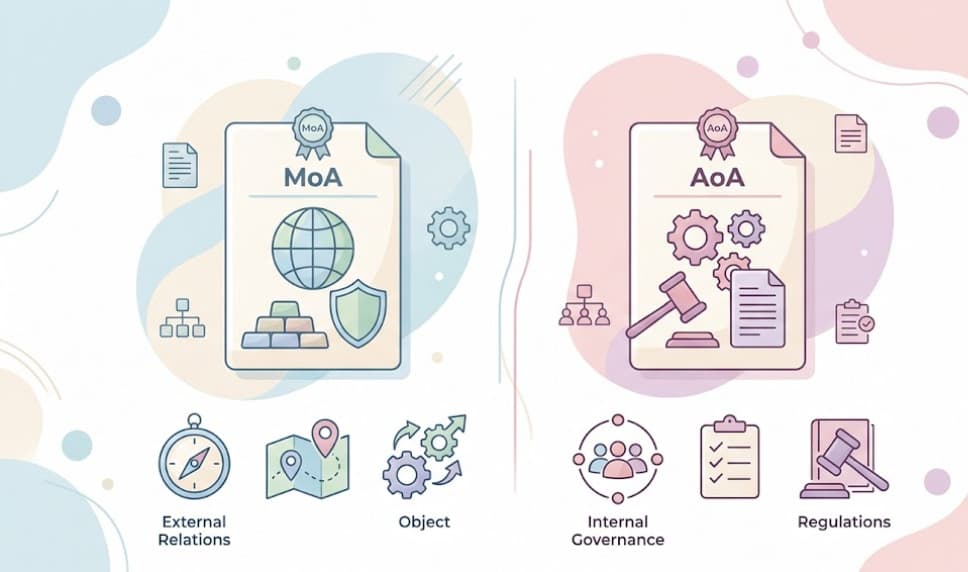
File the SPICe+ form with company details, documents, MOA, and AOA to officially register your company and receive the Certificate of Incorporation.
Step 5: PAN, TAN & Bank Account Setup
PAN and TAN are generated during incorporation, after which you can open a company bank account to start financial operations
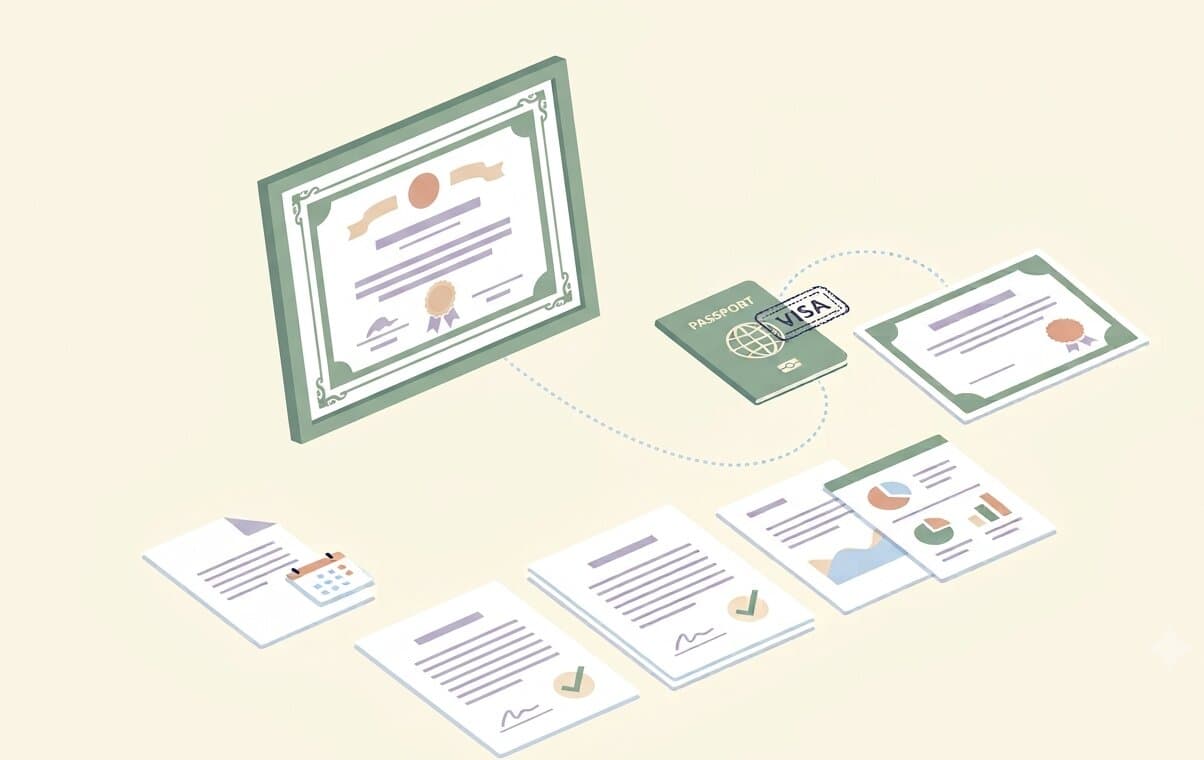
Documents Required for USA, UK, UAE, Singapore, Japan & Germany Founders
Passport
Address proof
Bank statement
Passport-size photograph
Documents must be notarized or apostilled.
Why Investors from USA, UK, UAE, Singapore, Japan & Germany Prefer India Entry
Key Benefits
Massive consumer base
Cost-efficient operations
Strong tech talent pool
Growing startup ecosystem
High ROI potential
Common Challenges (Solved)
Legal complexity → handled via advisors
Remote incorporation → fully digital
Compliance → manageable with experts
Best Structure Strategy for Global Founders
1. Delaware Only Model
Best for global SaaS
No direct India operations
2. India Only Model
Best for India-first startups
Full local presence
3. Hybrid Model (Recommended)
Delaware parent company
Indian subsidiary for operations
Most venture-backed startups follow the hybrid structure.
Conclusion
Choosing between a Delaware entity and an Indian company depends on your business goals, funding plans, and target market.
Choose Delaware for global fundraising
Choose India for market expansion
Choose Hybrid model for the best of both worlds
For most global founders, the Delaware + India structure is the most strategic approach.
Looking to register a company in India? Visit our India Incorporation Services page for expert guidance.
FAQs(Frequently Asked Question)
1. Can a US founder start a company in India?
Yes, foreign founders can set up an Indian company or subsidiary under FDI rules.
2. Is Delaware better than India for startups?
Delaware is better for fundraising, while India is better for market access.
3. Can I operate in India using a Delaware company?
Limited. For full operations, an Indian entity is recommended.
4. What is the best structure for global startups?
A Delaware parent with an Indian subsidiary is widely used.
5. Do I need to visit India for company registration?
No, the process is fully online with notarized/apostilled documents.