.svg)
.svg)
.svg)
What Is the Process to Start a Private Limited Company in India for US & UK Citizens?
Learn how US & UK citizens can start a private limited company in India. Step-by-step 2026 guide covering process, costs, and compliance requirements.

Accorp Compliance Team
Our team of compliance experts specializes in PCI DSS, SOC 2, and other security frameworks to help businesses achieve and maintain compliance.
India has become a top destination for global entrepreneurs looking to expand internationally. If you're based in the US or UK, you might be asking: How can I legally start a business in India without being there physically?
The good news is that the online company registration process in India allows foreign citizens to set up a business remotely. However, understanding the legal structure, compliance rules, and documentation is essential.
Why Choose a Private Limited Company in India?
Before diving into the process, it's important to understand why most foreign investors choose this structure.
A private limited company registration in India is popular because it offers:
Limited liability protection (your personal assets are protected)
Ability to raise funding from investors
Separate legal identity from owners
Easier scalability compared to other structures
For US and UK entrepreneurs, this is the most practical and widely accepted form of India incorporation.
Can US & UK Citizens Register a Company in India Remotely?
Yes, you can register company remotely in India without visiting the country.
India has digitised its systems, making India online company registration accessible through professional service providers and government portals.
However, there are a few conditions:
You must appoint at least one resident director
You need a valid identity and address proof (passport, utility bill)
Documents must be verified and submitted digitally
This is where foreign company incorporation services become helpful, as they handle compliance and documentation.
What Is the Step-by-Step Process to Start a Company in India?
Understanding the online registration of company process is crucial for smooth incorporation.
Step 1: Choose Your Company Structure
Most foreign founders choose:
Private Limited Company
Wholly Owned Subsidiary
These structures allow foreign ownership in many sectors.
Step 2: Obtain Digital Signature Certificate (DSC)
A DSC is required to sign documents electronically. It is mandatory for the online company registration process.
Step 3: Apply for Director Identification Number (DIN)
DIN is a unique identification number assigned to company directors.
Step 4: Reserve Your Company Name
You must register company name through the official Ministry of Corporate Affairs (MCA) portal.
Tips for approval:
Choose a unique name
Avoid restricted or similar names
Follow naming guidelines
Step 5: File Incorporation Documents
This is the core stage of company formation in India.
You need to submit:
Memorandum of Association (MoA)
Articles of Association (AoA)
Identity and address proof
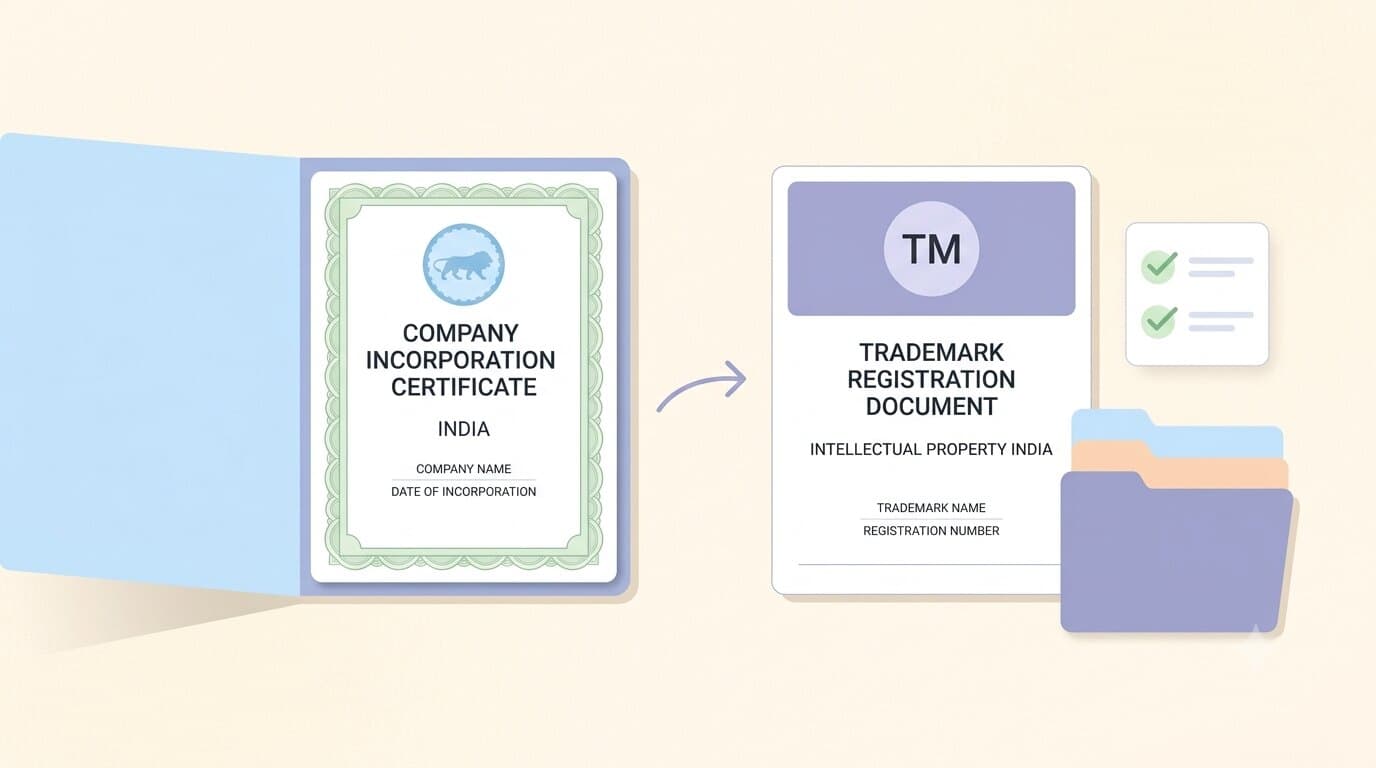
Step 6: Get Certificate of Incorporation
Once approved, your company is officially registered under Indian law.
Step 7: Complete Post-Registration Requirements
After registration, you must complete:
PAN (Permanent Account Number): Tax ID for the company
GST registration: Required for certain businesses
Opening a business bank account
What Is a Resident Director and Why Is It Required?
A resident director is a person who stays in India for at least 182 days in a financial year.
This requirement ensures that:
The company has a local representative
Legal compliance is maintained
Authorities can communicate easily
Foreign founders often appoint a trusted individual or use professional company incorporation services India to fulfil this requirement.
What Challenges Do Foreign Entrepreneurs Face?
While how to open a company in India is straightforward, foreign founders may face:
Understanding local regulations
Managing compliance remotely
Finding a reliable resident director
Handling documentation errors
This is why many rely on foreign company incorporation services for end-to-end support.
Conclusion
Starting a private limited company in India as a US or UK citizen is now easier than ever. With a streamlined online company registration process, global entrepreneurs can establish their presence without being physically in India.
However, understanding legal requirements like appointing a resident director, managing documentation, and ensuring compliance is essential.
Also Read: Transfer Pricing Compliance for Indian Subsidiaries: Comparing India and US Regulations
FAQs (Frequently Asked Question)
1. Can I start a private limited company in India without visiting?
Yes, you can complete the entire India online company registration process remotely.
2. Do I need an Indian partner to register a company?
No, in many sectors, 100% foreign ownership is allowed.
3. What is the easiest way to register a business in India?
The easiest way is to use professional company incorporation services in India to manage the process.
4. Is GST mandatory after company registration?
GST is required only if your business crosses certain turnover limits or falls under specific categories.