.svg)
.svg)
.svg)
5 Critical Mistakes Companies Make During SOC 2 Audits — And How to Avoid All of Them
Learn the most common SOC 2 audit mistakes companies make and how to avoid compliance, governance, and documentation failures.

Accorp Compliance Team
Our team of compliance experts specializes in PCI DSS, SOC 2, and other security frameworks to help businesses achieve and maintain compliance.
SOC 2 audits are meant to validate whether a business can consistently protect customer data through strong governance, operational discipline, and effective security controls. Yet many companies enter the audit process focusing only on technical fixes while overlooking the operational issues auditors care about most.
The result is often delayed evidence reviews, inconsistent controls, weak governance visibility, and unnecessary audit stress. Understanding the most common mistakes early can help businesses build a far stronger compliance foundation before problems escalate.
Why Do So Many Companies Struggle During SOC 2 Audits?
Most audit problems happen because businesses treat SOC 2 as a one-time project instead of an ongoing governance program.
Common causes of audit struggles include:
Poor documentation management
Weak internal coordination
Inconsistent control execution
Limited monitoring visibility
Unclear compliance ownership
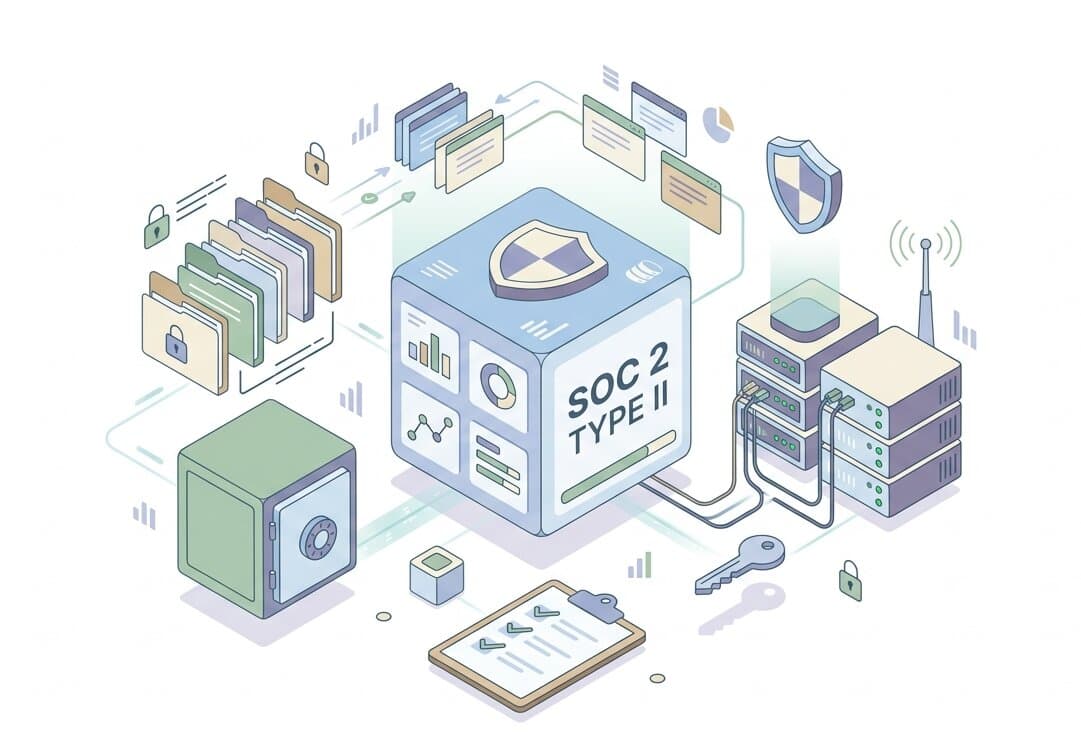
Businesses preparing for a soc 2 type 2 audit usually perform better when compliance processes are integrated into daily operations.
What Happens When Companies Ignore Documentation Quality?
Documentation is one of the most heavily reviewed areas during a soc audit. Even strong controls may create concerns if businesses cannot provide organized evidence showing how those controls operate.
Common documentation mistakes include:
Missing access review records
Outdated security policies
Incomplete incident logs
Weak version control practices
Disorganized evidence storage
Organizations already aligned with ISO 27001 or PCI DSS frameworks often maintain stronger documentation governance structures.
Why Is Weak Access Management a Serious Compliance Risk?
Access governance directly affects how well sensitive systems and customer data are protected. Auditors closely review whether businesses restrict access appropriately.
Frequent access control mistakes include:
Shared administrator accounts
Excessive user privileges
Missing offboarding procedures
Weak password governance
Inconsistent access reviews
Strong soc 2 controls should ensure only authorized individuals can access critical systems and sensitive information.
How Can Poor Monitoring Practices Hurt Audit Readiness?
Continuous monitoring is essential for identifying operational risks and demonstrating governance consistency during soc 2 reporting reviews.
Monitoring-related mistakes often involve:
Missing security alerts
Limited infrastructure visibility
Inconsistent threat monitoring
Poor incident escalation workflows
Businesses using structured SOC 2 Compliance Audit Services workflows often improve monitoring maturity significantly.
Why Do Companies Fail to Manage Vendors Properly?
Third-party vendors can create major compliance risks if businesses fail to evaluate and monitor them consistently.
Common vendor governance mistakes include:
Missing security reviews
Undefined vendor responsibilities
Weak access restrictions
Incomplete due diligence records
Poor vendor oversight visibility
Organizations supporting both SOC 1 and SOC 2 compliance frequently standardize vendor governance across multiple frameworks.
Why Is Lack of Internal Ownership So Dangerous?
SOC 2 compliance requires coordination across security, IT, operations, HR, engineering, and leadership teams. Without clear ownership, governance processes often become inconsistent.
Signs of weak ownership include:
Delayed evidence collection
Conflicting compliance responsibilities
Inconsistent policy enforcement
Poor cross-team communication
Reactive audit preparation
A proper soc 2 readiness assessment often identifies accountability gaps before the formal audit begins.
How Can Startups Avoid These Common Audit Mistakes?
Startups often face rapid infrastructure changes and evolving operational workflows, which can make compliance consistency difficult without proper structure.
Helpful startup strategies include:
Centralising compliance management
Automating evidence collection
Standardising governance workflows
Performing regular SOC 2 self-assessment reviews
Defining control ownership clearly
Several SOC 2 audit companies now provide startup-focused guidance specifically for SOC 2 for startups and cloud-native businesses.
Why Does Continuous Governance Matter More Than Short-Term Preparation?
SOC 2 compliance is designed to evaluate how businesses operate continuously — not just how they prepare immediately before the audit.
Continuous governance often improves:
Operational accountability
Monitoring visibility
Documentation organization
Security consistency
Long-term audit readiness
Organizations supporting GDPR or Attestation requirements often strengthen governance maturity across broader compliance programs.
What Do Smart Companies Do Differently During SOC 2 Audits?
Successful businesses focus on building scalable governance processes instead of reacting to auditor requests at the last minute.
Strong compliance strategies often include:
Early readiness assessments
Continuous monitoring oversight
Organised evidence management
Cross-functional governance coordination
Consistent policy enforcement
Businesses maintaining proactive compliance habits are generally better prepared for successful SOC 2 reporting outcomes.
Conclusion
Most SOC 2 audit failures happen because businesses underestimate the importance of operational consistency, documentation quality, and governance accountability. Companies that build structured compliance processes early are far more likely to maintain stronger audit readiness and customer trust.
Strong SOC 2 programs are built through disciplined operations — not rushed preparation.
Weak governance and inconsistent controls can create major issues during a SOC 2 type 2 audit. Accorp Partners helps businesses strengthen SOC 2 readiness with smarter governance strategies, organised evidence management, and audit-ready operational controls. Connect with Accorp Partners today and build a stronger compliance foundation with confidence.