.svg)
.svg)
.svg)
7 API Security Mistakes Developers Make (And How to Fix Them)
Discover 7 API security mistakes that cause breaches and PCI gaps. Learn practical fixes and protect payment data with Accorp Partners expert guidance.

Accorp Compliance Team
Our team of compliance experts specializes in PCI DSS, SOC 2, and other security frameworks to help businesses achieve and maintain compliance.
APIs power modern payment systems, mobile apps, and customer platforms, but weak API security can quietly expose sensitive cardholder data. Many businesses focus heavily on firewalls and endpoint protection while ignoring insecure API design. That mistake often leads to failed PCI DSS assessments, data leaks, and costly remediation efforts.
Developers are under pressure to ship features quickly, which can create security gaps that attackers actively exploit. Understanding common API security mistakes helps organisations improve compliance, reduce risk, and prepare for a smoother PCI Compliance Audit process.
Why Do Developers Ignore API Authentication Best Practices?
Weak authentication is one of the biggest causes of API breaches. Many developers rely only on basic API keys without implementing stronger controls like OAuth 2.0, token expiration, or multi-factor authentication.
Poor authentication creates serious problems during a PCI DSS audit because unauthorised access can expose payment data and customer records. A pci qualified security assessor often checks whether APIs properly validate users, sessions, and device access. Businesses handling payment transactions should also align API access controls with PCI DSS compliance rules and pci dss api security expectations.
Using centralised identity management, rotating credentials regularly, and limiting token permissions significantly reduces risk. These controls also support automated monitoring and automated PCI compliance efforts.
Why Is Excessive Data Exposure a Major API Security Risk?
Many APIs expose more data than applications actually need. Instead of returning filtered information, APIs sometimes send full customer records, payment metadata, or backend identifiers.
This mistake increases compliance risks for organisations preparing for a PCI Compliance Audit or working with PCI DSS QSA companies. Even if frontend applications hide sensitive fields, attackers can still intercept exposed API responses. This creates unnecessary scope expansion for PCI DSS levels and PCI DSS compliance levels assessments.
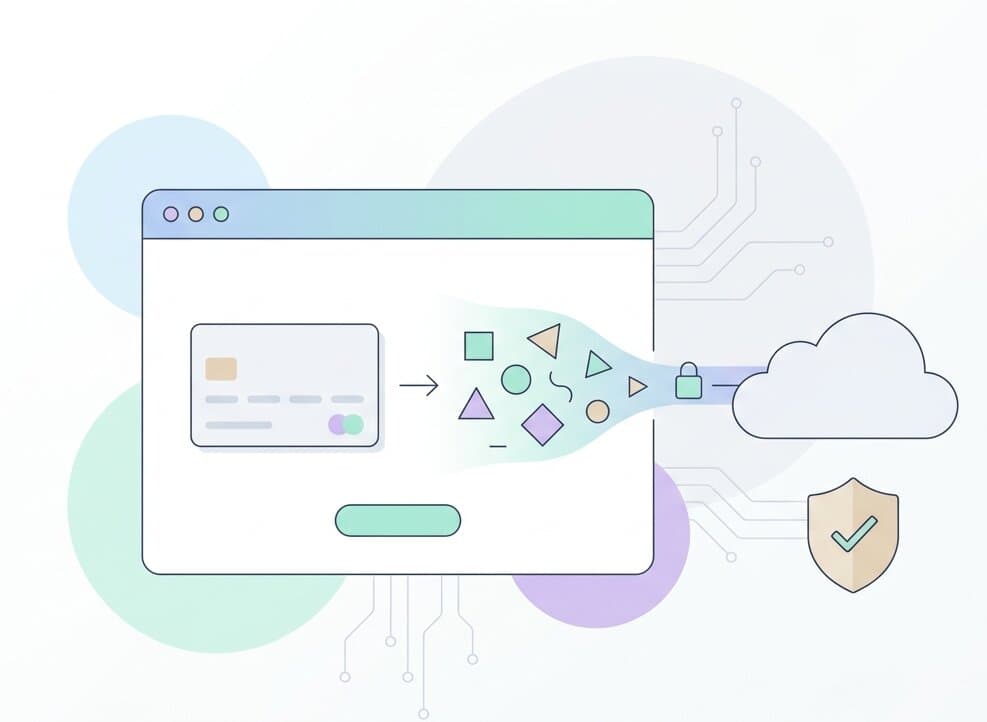
Developers should follow the principle of minimum data exposure. APIs must only return required fields, encrypt sensitive payloads, and tokenise payment information whenever possible. Businesses using PCI P2PE solutions can further reduce exposure by isolating payment data from application environments.
Why Do Broken Authorisation Controls Lead to Compliance Failures?
Broken authorisation happens when users can access resources or actions outside their permitted role. Attackers often exploit insecure object references to retrieve invoices, payment histories, or account data.
This issue commonly appears during a PCI QSA audit because access segmentation is a core requirement in PCI DSS environments. A failed authorisation check can affect PCI DSS reporting level classifications and increase remediation costs.
Developers should implement role-based access controls, server-side authorisation validation, and strict session handling. Logging all access requests also supports investigations during a PCI compliance audit review. These controls become even more important for businesses operating under PCI Level 2 compliance obligations.
Why Are Unsecured API Endpoints Dangerous for Payment Systems?
Publicly exposed APIs without rate limiting, encryption, or monitoring create easy entry points for attackers. Many businesses accidentally leave staging or testing endpoints accessible online.
Unsecured endpoints can compromise payment systems and affect compliance with PCI 3DS authentication workflows and wireless PCI compliance requirements. Attackers frequently target forgotten APIs because they often contain outdated code and weak protections.
Organisations should continuously scan APIs, disable unused endpoints, and enforce TLS encryption across all environments. Using a PCI compliance website checker and external security validation tools can help identify overlooked vulnerabilities. Some companies also combine API monitoring with free ASV scan programs offered by approved scanning providers.
Why Do Developers Fail to Validate API Inputs Properly?
Improper input validation allows attackers to inject malicious payloads into applications. SQL injection, command injection, and parameter tampering often start with weak API validation rules.
This mistake can directly impact PCI DSS compliance because attackers may gain access to databases containing cardholder information. During PCI DSS audit services, assessors carefully examine how applications sanitise user input and manage backend queries.
Developers should validate all incoming data, restrict accepted formats, and reject unexpected characters or payloads. Using secure frameworks, parameterised queries, and centralised validation libraries improves protection. Organisations working with PCI ASV vendors or ASV scanning vendors often identify these weaknesses during external vulnerability scans.
Why Is Poor API Logging and Monitoring a Serious Compliance Problem?
Many organisations collect logs but fail to monitor them effectively. Without visibility into suspicious API activity, attacks can continue unnoticed for weeks or months.
Comprehensive logging is essential for PCI DSS, SOC 2, ISO 27001, and GDPR compliance programs. A PCI QSA typically checks whether businesses can detect unauthorised access attempts, failed authentication events, and unusual API traffic patterns.
Security teams should centralise API logs, automate alert generation, and retain records according to compliance requirements. Real-time monitoring also helps organisations reduce the overall PCI compliance audit cost by identifying issues before formal assessments begin. Strong logging practices support both operational security and long-term compliance readiness.
Why Do Companies Ignore Third-Party API Security Risks?
Third-party APIs often introduce hidden vulnerabilities into payment environments. Businesses may trust vendors without reviewing their security controls, compliance posture, or encryption standards.
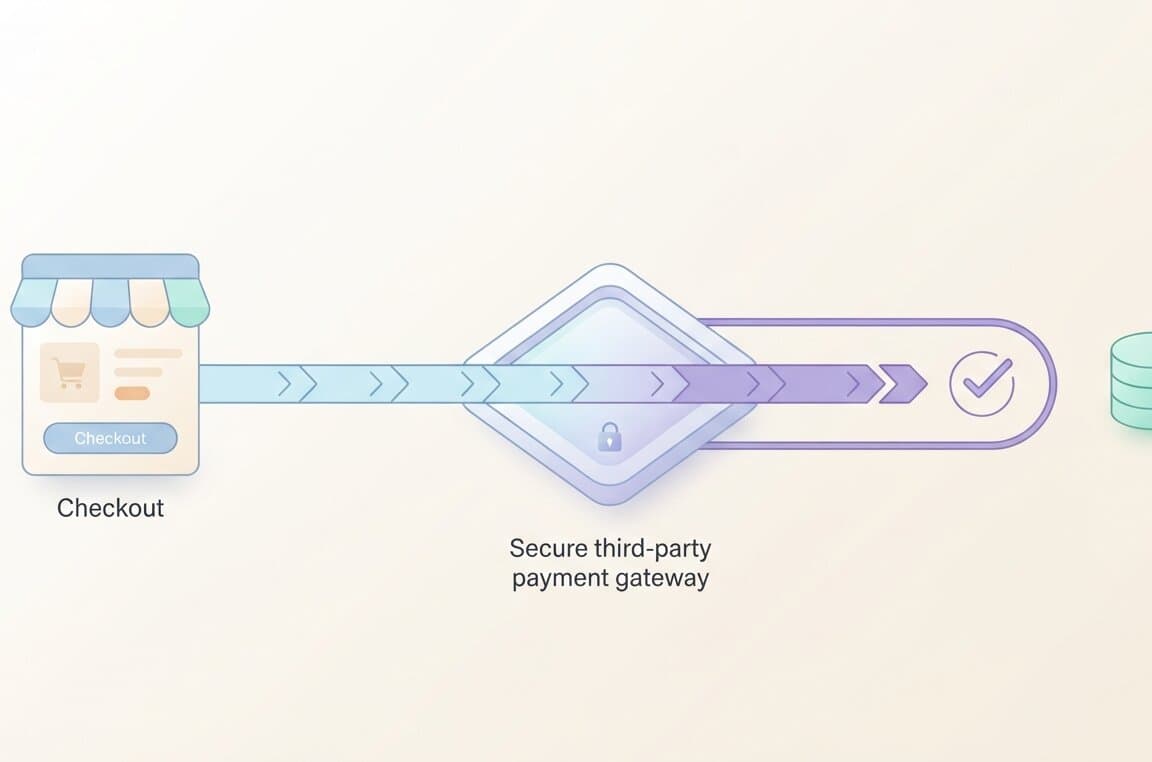
This creates major exposure during PCI DSS SAQ levels evaluations and SAQ PCI self-assessment reviews. A vulnerable third-party integration can expand the scope of compliance obligations and increase security risks. Organisations using payment gateways should also verify alignment with PCI-validated P2PE standards and PCI P2PE SAQ requirements.
Businesses should conduct vendor risk assessments, review API documentation carefully, and continuously monitor third-party integrations. Working with experienced pci qsa services providers can help identify gaps before they become compliance violations or breach incidents.
Is Your Business Ready to Secure Its APIs and Payment Data?
API security mistakes are often small configuration issues that create massive business risks over time. Weak authentication, poor authorisation, unsecured endpoints, and limited monitoring can all lead to data breaches and failed compliance assessments.
Organisations that proactively secure APIs improve customer trust, reduce operational risk, and simplify future PCI DSS compliance efforts.
If your APIs handle payment data, authentication flows, or customer transactions, Accorp Partners can help you strengthen your PCI DSS security posture before vulnerabilities become audit findings. Our experts identify hidden API risks, improve compliance readiness, and support businesses with practical PCI Compliance Audit strategies tailored for modern payment environments.
For more details, visit our PCI Compliance page.