.svg)
.svg)
.svg)
PCI DSS Logging & Monitoring Requirements: What Auditors Actually Check
Learn what auditors check in PCI DSS logging and monitoring reviews. Improve security visibility and prepare for your next PCI DSS audit with Accorp Partners.

Accorp Compliance Team
Our team of compliance experts specializes in PCI DSS, SOC 2, and other security frameworks to help businesses achieve and maintain compliance.
Payment companies often invest heavily in firewalls, encryption, and endpoint security but still fail audits because of weak logging and monitoring practices. In most PCI DSS assessments, auditors spend significant time reviewing how security events are tracked, stored, monitored, and investigated. Logging is not just about collecting records — it is about proving that suspicious activity can be detected before it becomes a breach.
Many businesses preparing for a PCI compliance audit focus only on technical controls and forget the evidence auditors actually request. Whether you are handling PCI Level 2 compliance, managing saq a level pci compliance, or preparing for a full PCI QSA audit, logging and monitoring controls are always examined closely.
Why Are Logging and Monitoring Important in PCI DSS?
Logging and monitoring help organisations detect unauthorised access, suspicious payment activity, and system misuse before attackers cause major damage. Auditors expect companies to show that security events are actively reviewed instead of simply being stored.
Under PCI DSS, businesses must track user activity, administrator actions, authentication attempts, and access to cardholder data environments. A pci qualified security assessor typically checks whether logs are complete, time-synchronised, protected from tampering, and retained for the required duration.
Strong monitoring also supports automated PCI compliance because security teams can quickly identify unusual activity through SIEM tools, alerts, and centralised dashboards. Without proper monitoring, companies often struggle to prove ongoing compliance during a PCI DSS audit.
What Logs Do Auditors Actually Review During a PCI DSS Audit?
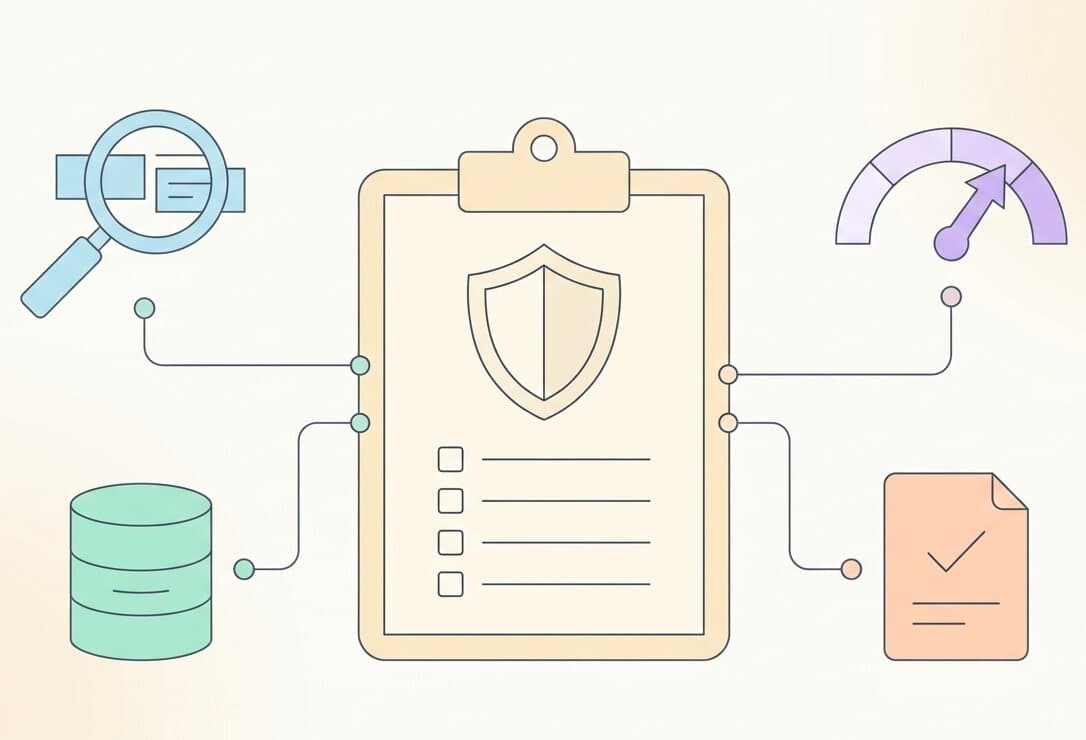
Auditors mainly review logs connected to payment systems, authentication platforms, administrative access, network devices, and critical security tools. They want evidence that important events are recorded consistently across the environment.
A PCI QSA may request firewall logs, VPN access records, database activity logs, antivirus alerts, failed login attempts, and privileged user actions. They also review whether wireless PCI compliance requirements are monitored through access point and network event logging.
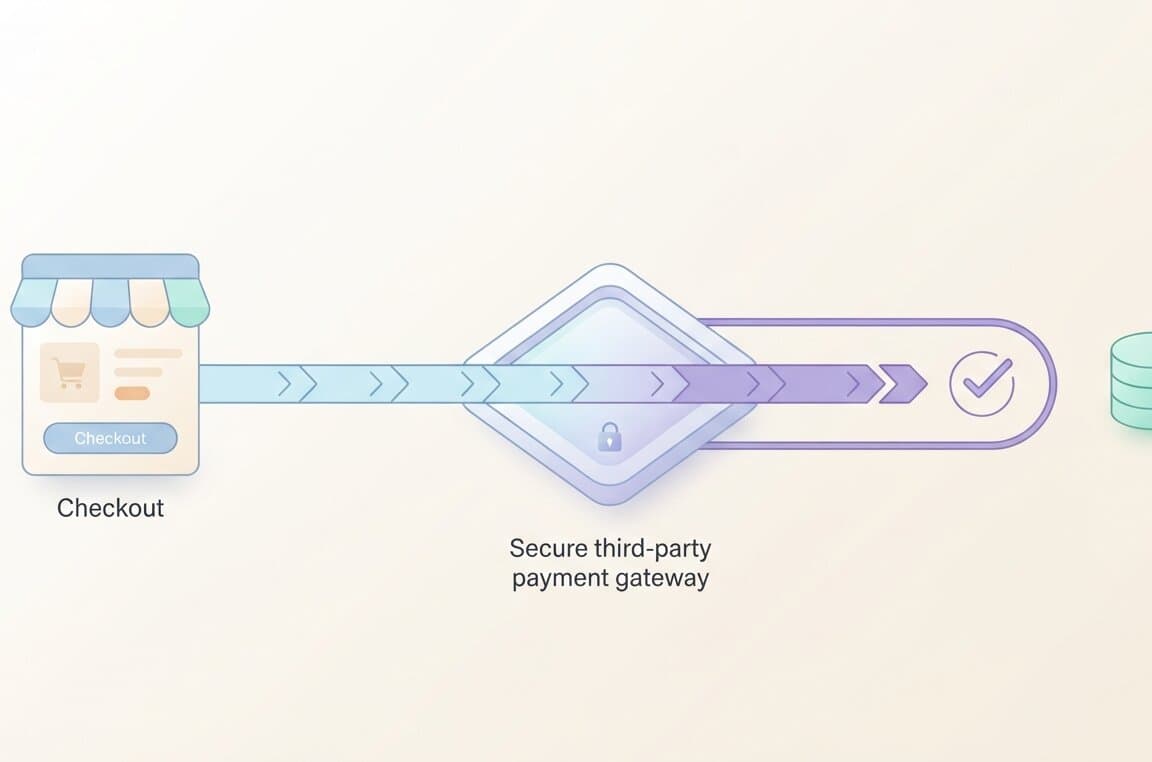
For organisations using pci dss api integrations, auditors often inspect API access logs, token usage records, and failed authentication attempts. If the company uses PCI-validated P2PE technology, the assessor may also review encrypted device activity and monitoring reports linked to PCI P2PE environments.
How Do Auditors Check Log Retention and Storage Practices?
Auditors verify whether logs are securely stored, protected from modification, and retained according to PCI DSS requirements. Businesses must usually maintain at least one year of log history, with recent logs immediately available for analysis.
A PCI certified assessor often checks whether logs are centralised through SIEM platforms or securely archived in restricted repositories. They also review access permissions to ensure unauthorised employees cannot alter or delete records.
Companies relying only on local device logging frequently fail PCI compliance audit reviews because logs can be erased during attacks or system failures. Strong retention practices also improve incident investigations and support smoother PCI DSS audit services engagements.
What Monitoring Activities Do PCI QSA Services Teams Expect to See?
Monitoring is not limited to collecting logs. Auditors expect organisations to actively review alerts, investigate suspicious events, and document incident response actions.
During PCI QSA services assessments, security teams are often asked to demonstrate daily log reviews, alert escalation processes, and evidence of incident handling. A PCI assessor certification professional may also review how failed login spikes, unusual administrator behaviour, or malware detections are handled internally.
Businesses using free ASV scan tools or working with PCI ASV vendors should also monitor scan findings regularly instead of treating them as quarterly paperwork. Continuous monitoring helps reduce vulnerabilities that could impact PCI DSS compliance levels or PCI DSS reporting level requirements.
Why Do Companies Fail Logging and Monitoring Requirements?
Most companies fail at logging controls because monitoring processes are inconsistent or poorly documented. Many organisations collect logs but never review them properly.
Common audit failures include missing timestamps, incomplete event tracking, disabled logging settings, lack of alert reviews, and weak retention controls. Businesses also struggle when ASV scanning vendors identify repeated vulnerabilities that remain unresolved for long periods.
Organisations handling PCI compliance levels across multiple business units often face additional complexity because different systems generate logs in different formats. Without centralised visibility, proving compliance during a PCI Compliance Audit becomes difficult.
How Can Businesses Improve Logging and Monitoring Readiness?
Businesses can improve readiness by building a centralised logging strategy, automating alert reviews, and regularly validating monitoring controls. The goal is to make security events easy to detect, investigate, and report.
Many companies adopt SIEM solutions, endpoint monitoring platforms, and automated ticketing systems to strengthen compliance visibility. Teams preparing for PCI DSS SAQ levels reviews should also document who reviews alerts, how incidents are escalated, and how evidence is retained.
Working with experienced PCI DSS QSA companies can simplify preparation because assessors identify gaps before formal audits begin. Organisations using PCI SSF, PCI 3DS, or PCI P2PE technologies should ensure monitoring controls align with their broader payment security environment.
How Do Logging Controls Support Broader Security Compliance?
Logging and monitoring controls support more than just PCI DSS requirements. They also improve visibility across wider cybersecurity and governance programs.
Organisations pursuing SOC 2, ISO 27001, or GDPR compliance often use the same monitoring systems to track security events, access changes, and policy violations. Strong logging practices create operational transparency that benefits both auditors and internal security teams.
Companies managing PCI 3DS compliance, asv PCI compliance, or pci ssf requirements can also reduce investigation time during incidents because accurate logs provide clear evidence of what happened and when it occurred.
Is Your Business Ready for a PCI DSS Logging Review?
Ignoring monitoring requirements creates unnecessary compliance risk, especially for companies handling payment data across multiple systems, APIs, and third-party services. Logging and monitoring are among the most heavily reviewed areas during a PCI DSS assessment because they prove whether security controls actually work in real environments. Businesses that maintain clear visibility into user activity, alerts, and incidents usually experience smoother audits and faster remediation.
If your organisation is preparing for a PCI Compliance Audit or struggling to improve monitoring visibility, Accorp Partners can help you identify logging gaps, strengthen alert management, and prepare audit-ready evidence for your next assessment. Our team supports businesses with practical PCI QSA guidance, risk-focused monitoring strategies, and structured compliance support tailored to modern payment environments.
For more details, visit our PCI Compliance page.