.svg)
.svg)
.svg)
The Complete Guide to SAQ Requirements for Small Merchants
Learn SAQ requirements for small merchants, understand PCI DSS compliance levels, and simplify compliance with expert guidance today.

Accorp Compliance Team
Our team of compliance experts specializes in PCI DSS, SOC 2, and other security frameworks to help businesses achieve and maintain compliance.
Small merchants often assume payment security rules only apply to large retailers, but that is not true. Any business that stores, processes, or transmits cardholder data must follow PCI DSS requirements. The challenge is understanding which SAQ applies to your business and how to complete it without wasting time or money.
For many growing companies, SAQs feel confusing because different payment methods, devices, and networks change compliance obligations. This guide explains the SAQ process in simple terms so merchants can confidently handle compliance while reducing security risks and avoiding expensive penalties.
What Are SAQ Requirements for Small Merchants?
SAQ requirements are simplified self-assessment questionnaires designed for merchants with lower transaction volumes and reduced cardholder data exposure. They help businesses validate PCI DSS compliance without undergoing a full PCI DSS audit.
A SAQ PCI self-assessment allows merchants to answer security questions based on how they accept payments. Different PCI DSS SAQ levels exist because risks vary between e-commerce stores, retail terminals, and virtual payment environments. Small merchants often use SAQ A, SAQ B, or SAQ C, depending on their payment setup.
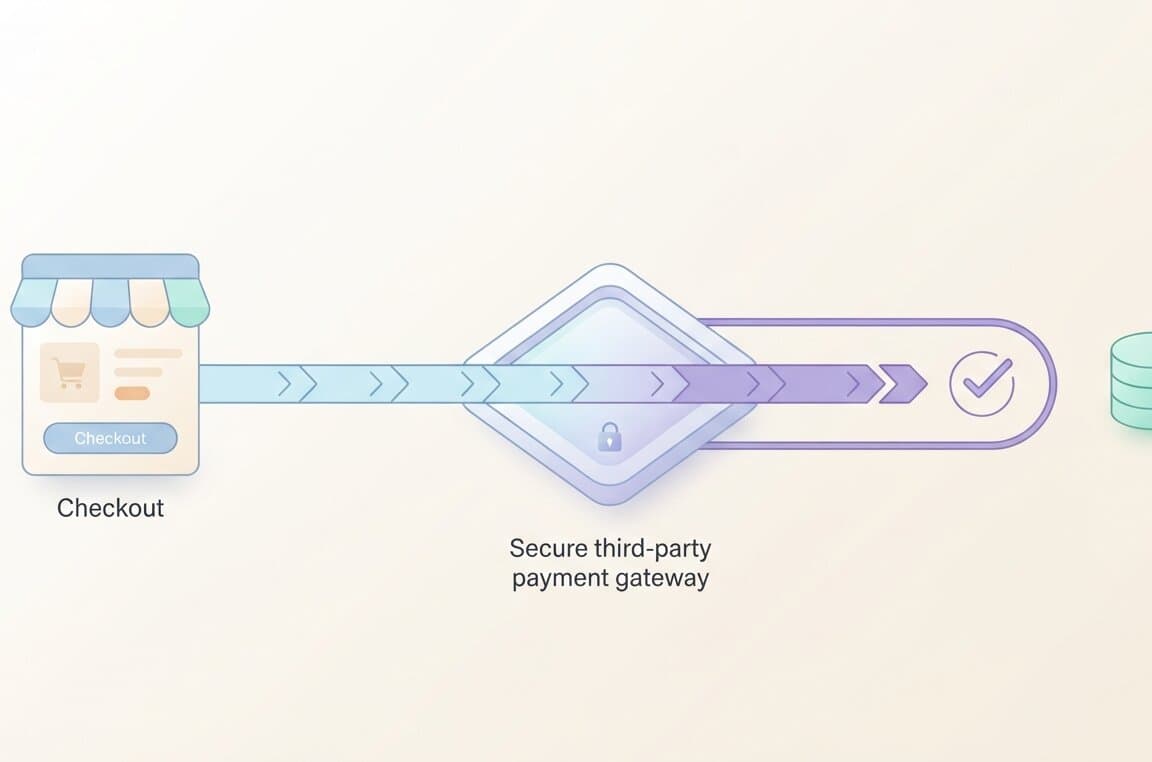
Businesses that qualify for a SAQ level PCI compliance usually outsource payment processing entirely to secure third-party providers. This significantly reduces compliance scope and lowers the overall PCI compliance audit cost.
Why Do Different PCI DSS SAQ Levels Matter?
Different PCI DSS levels exist because not every merchant handles payment data in the same way. The SAQ type determines which security controls your business must validate.
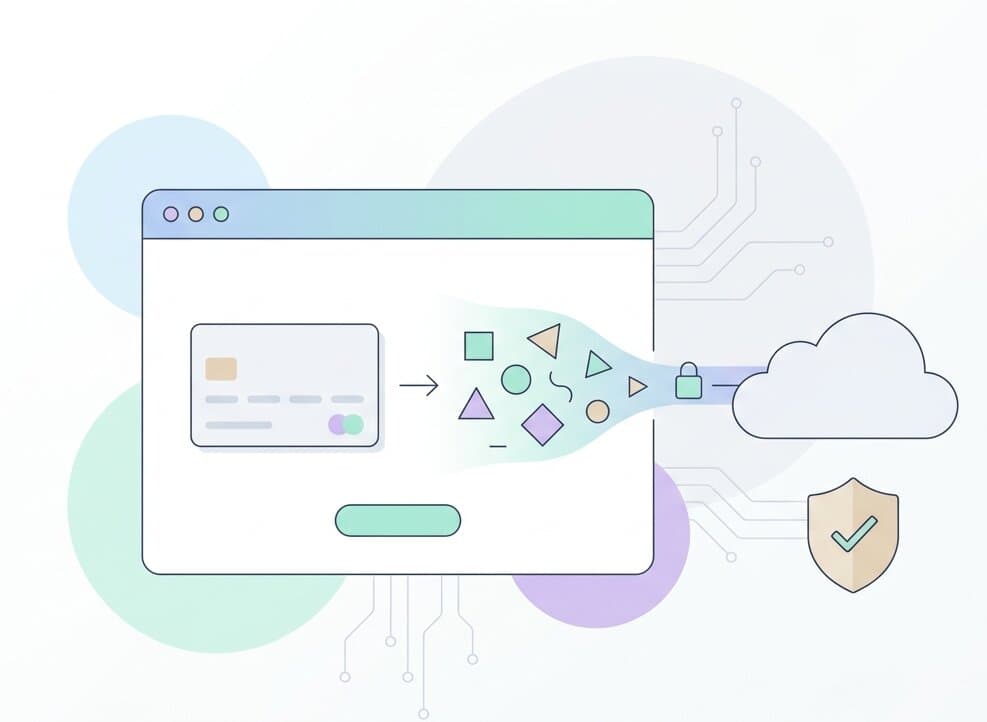
For example, merchants using fully hosted payment pages may only need SAQ A, while businesses using connected payment terminals could require SAQ C-VT or SAQ P2PE. Companies using PCI-validated P2PE solutions often qualify for simplified validation because sensitive card data is encrypted immediately.
Understanding PCI DSS compliance levels prevents businesses from completing the wrong questionnaire. Choosing an incorrect SAQ can trigger compliance failures during a pci compliance audit or increase exposure during a PCI QSA audit.
How Can Small Merchants Identify the Correct SAQ?
Small merchants can identify the correct SAQ by reviewing how cardholder data enters, travels through, and exits their environment. Payment channels directly impact compliance obligations.
Businesses that only redirect customers to external payment processors usually qualify for saq a level of PCI compliance. Merchants using standalone dial-out terminals may qualify for SAQ B. Organisations using web-based virtual terminals typically fall under SAQ C-VT.
Merchants using encrypted payment terminals with PCI P2PE technologies may qualify for the PCI P2PE SAQ. Businesses handling more complex systems often require guidance from a PCI QSA or pci qualified security assessor to determine the correct validation path.
Working with PCI DSS QSA companies helps merchants reduce mistakes, especially when dealing with PCI DSS reporting level requirements or PCI Level 2 compliance obligations.
What Security Controls Must Small Merchants Follow?
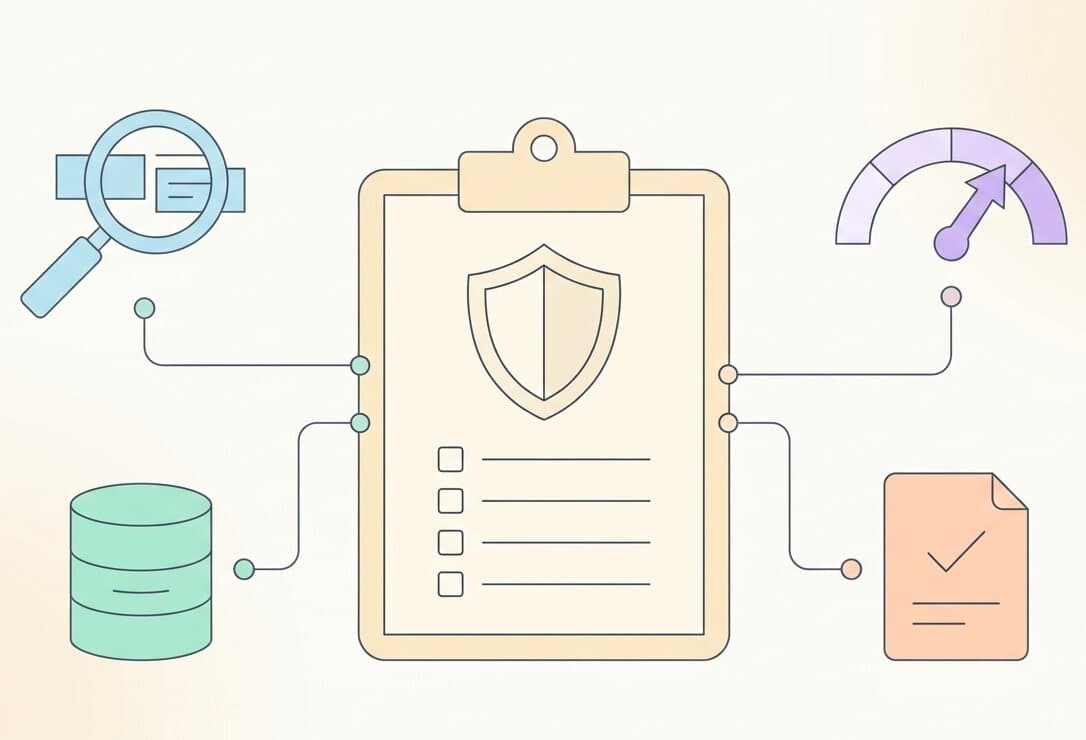
Small merchants must still implement core payment security controls even when completing a simplified SAQ. Compliance is not only paperwork; it requires active protection of customer payment data.
Common PCI DSS compliance rules include maintaining secure passwords, updating systems regularly, restricting access to payment data, and using antivirus software. Businesses must also secure wireless networks to meet wireless PCI compliance requirements.
Many merchants now use automated PCI compliance tools to simplify evidence collection and policy management. A PCI compliance website checker can also help identify security gaps in payment pages or checkout systems.
Merchants handling online transactions should also review PCI 3DS requirements because PCI 3DS compliance strengthens customer authentication and reduces fraud exposure.
Why Are ASV Scans Important for SAQ Compliance?
ASV scans help merchants identify external vulnerabilities that attackers could exploit. Many SAQ categories require quarterly scans from approved PCI ASV vendors. An Approved Scanning Vendor, commonly called pci asv, performs automated external security testing against internet-facing systems. Merchants often compare ASV scanning vendors based on reporting quality, remediation support, and PCI ASV pricing.
Some providers offer a free ASV scan as an introductory service, but businesses should confirm whether the scans meet official compliance standards. Completing required scans is essential because failed vulnerabilities can delay a PCI compliance audit.
Combining ASV scanning with ongoing monitoring creates stronger long-term protection than treating compliance as a once-a-year task.
How Can Small Merchants Simplify PCI DSS Compliance?
Small merchants can simplify compliance by reducing the amount of payment data they handle directly. Lowering cardholder data exposure immediately reduces audit complexity.
Using hosted payment pages, tokenisation, and PCI-validated P2PE technologies can dramatically shrink compliance scope. Businesses integrating payment systems through secure pci dss api frameworks also improve consistency and reduce manual errors.
Working with experts who provide PCI QSA services helps merchants understand documentation requirements and avoid unnecessary controls. A pci certified assessor can also review existing systems before formal validation begins.
Many businesses combine PCI DSS efforts with broader frameworks like SOC 2, ISO 27001, and GDPR to create a stronger overall security strategy rather than managing compliance separately.
Why Do Small Merchants Fail PCI Compliance Audits?
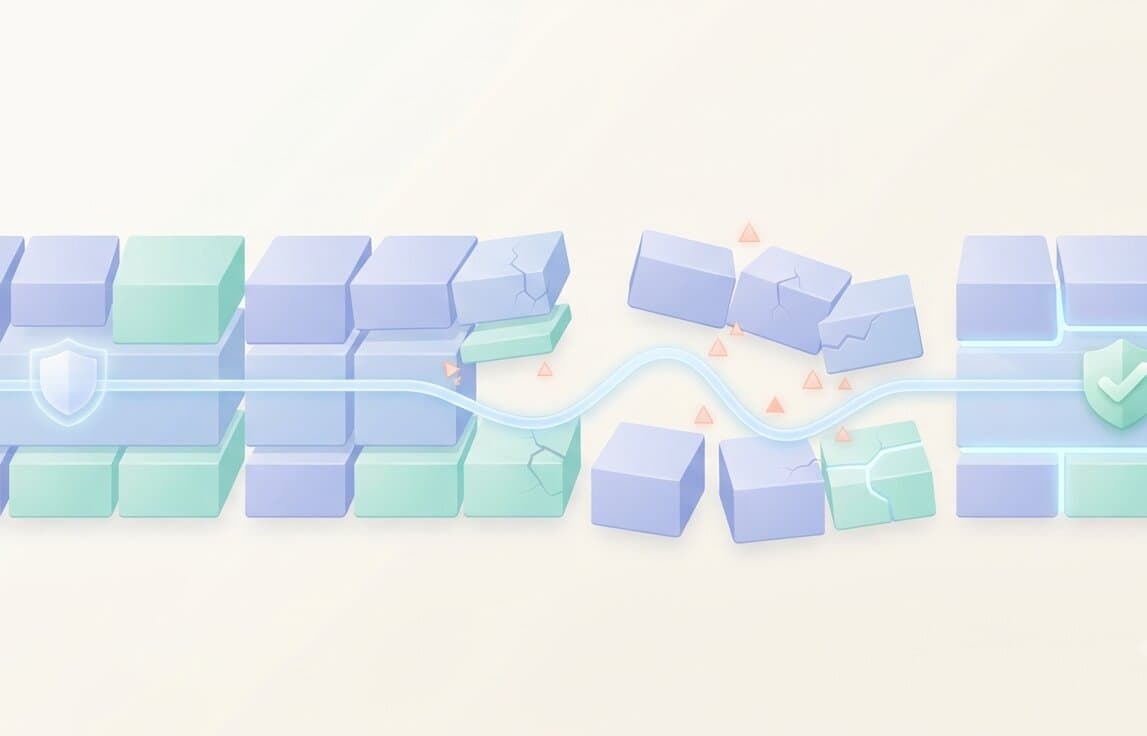
Small merchants usually fail audits because they misunderstand their SAQ scope or overlook technical security requirements. Most failures happen due to incomplete documentation and weak system management.
Common issues include outdated software, unsecured Wi-Fi networks, missing ASV scans, and improper access controls. Some businesses incorrectly assume that third-party payment providers eliminate all responsibilities, which is rarely true.
Merchants preparing for a PCI Compliance Audit should review vendor contracts, maintain accurate network diagrams, and verify that security policies are actively enforced. Businesses with growing payment environments may also need assistance from PCI assessor certification professionals during remediation.
Proactive preparation reduces stress during a PCI DSS audit and prevents costly delays tied to failed assessments.
Is Your Business Ready for SAQ Compliance Success?
SAQ compliance is not just about checking boxes; it is about protecting customer trust and reducing payment security risks. Small merchants that understand their SAQ category can simplify compliance while maintaining stronger operational security.
Choosing the correct SAQ, maintaining required controls, and completing scans on time helps businesses avoid penalties and improve customer confidence. A clear compliance strategy makes long-term payment security far more manageable. Learn SAQ requirements for small merchants, understand PCI DSS compliance levels, and simplify compliance with expert guidance today.
If your business is unsure which SAQ applies or how to reduce compliance complexity, AccorpPartners can help you streamline your PCI DSS journey. Our team provides tailored PCI QSA guidance, simplified audit preparation, and practical remediation support designed specifically for small merchants.
Connect with Accorp Partners today to reduce your compliance burden, strengthen payment security, and prepare confidently for your next PCI Compliance Audit without unnecessary delays or hidden risks.
For more details, visit our PCI Compliance page.