.svg)
.svg)
.svg)
When Employees Steal Payment Data: A Survival Guide
Discover how to prevent employee payment data theft, reduce PCI risks, and strengthen security controls with expert guidance from Accorp Partners.

Accorp Compliance Team
Our team of compliance experts specializes in PCI DSS, SOC 2, and other security frameworks to help businesses achieve and maintain compliance.
Employee theft is one of the most overlooked payment security threats inside modern businesses. While companies often focus on hackers and malware, insiders with access to payment systems can quietly misuse sensitive cardholder data for months before anyone notices. A single internal breach can trigger financial losses, legal investigations, customer distrust, and failed PCI DSS compliance checks. Businesses handling payment information must build strong internal controls before an employee becomes the weakest link in the security chain.
Why Is Employee Payment Data Theft So Dangerous?
Employee payment data theft is dangerous because insiders already understand internal systems, access levels, and security gaps. Unlike external attackers, employees often bypass controls without triggering immediate alerts.
A compromised staff member can steal card numbers, customer records, login credentials, or API data connected to a payment platform. This creates serious problems during a PCI Compliance Audit or PCI DSS assessment. Many organisations discover insider abuse only after a failed PCI DSS audit, customer complaints, or suspicious transaction patterns. Businesses with weak monitoring processes face even higher PCI compliance audit costs after a breach investigation.
How Can Companies Detect Insider Payment Security Threats Early?
Companies can detect insider threats early by monitoring employee activity, limiting unnecessary access, and reviewing payment system logs regularly. Visibility is the foundation of payment security. Organisations should track failed login attempts, unusual file downloads, and unauthorised database access linked to cardholder environments. Automated alerts connected to pci dss api monitoring tools can improve response times significantly. Businesses also benefit from automated PCI compliance systems that identify abnormal user behaviour before a major incident occurs. Regular reviews from PCI DSS QSA companies or a pci qualified security assessor can help uncover hidden internal risks.
What Internal Controls Reduce Employee Access to Cardholder Data?
The best way to reduce insider theft is to minimise employee access to sensitive payment information. Employees should only access data required for their specific job roles.
Role-based access controls, multi-factor authentication, and strict password management reduce exposure to internal misuse. Many organisations also deploy PCI-validated P2PE technologies to ensure payment data remains encrypted throughout transactions. Businesses handling e-commerce payments should also align with PCI 3DS standards and wireless PCI compliance requirements to secure remote payment channels. These controls support stronger PCI compliance levels across the organisation.
Why Does Staff Training Matter for PCI Security Compliance?
Staff training matters because many insider incidents begin with negligence, weak security habits, or a lack of awareness about compliance responsibilities. Employees cannot protect data they do not fully understand.
Security awareness programs should explain phishing risks, payment handling rules, and the consequences of unauthorised access. Teams responsible for payment operations should understand PCI DSS levels, PCI DSS reporting level requirements, and SAQ PCI self-assessment procedures. Training also prepares businesses for smoother PCI QSA audit reviews and improves readiness for PCI Assessor certification validation processes. Well-trained teams reduce accidental violations that often lead to audit failures.
How Can Businesses Strengthen PCI Monitoring and Auditing Processes?
Businesses strengthen PCI monitoring by combining continuous assessments, vulnerability scanning, and regular third-party reviews. Ongoing oversight helps identify suspicious activity before it escalates.
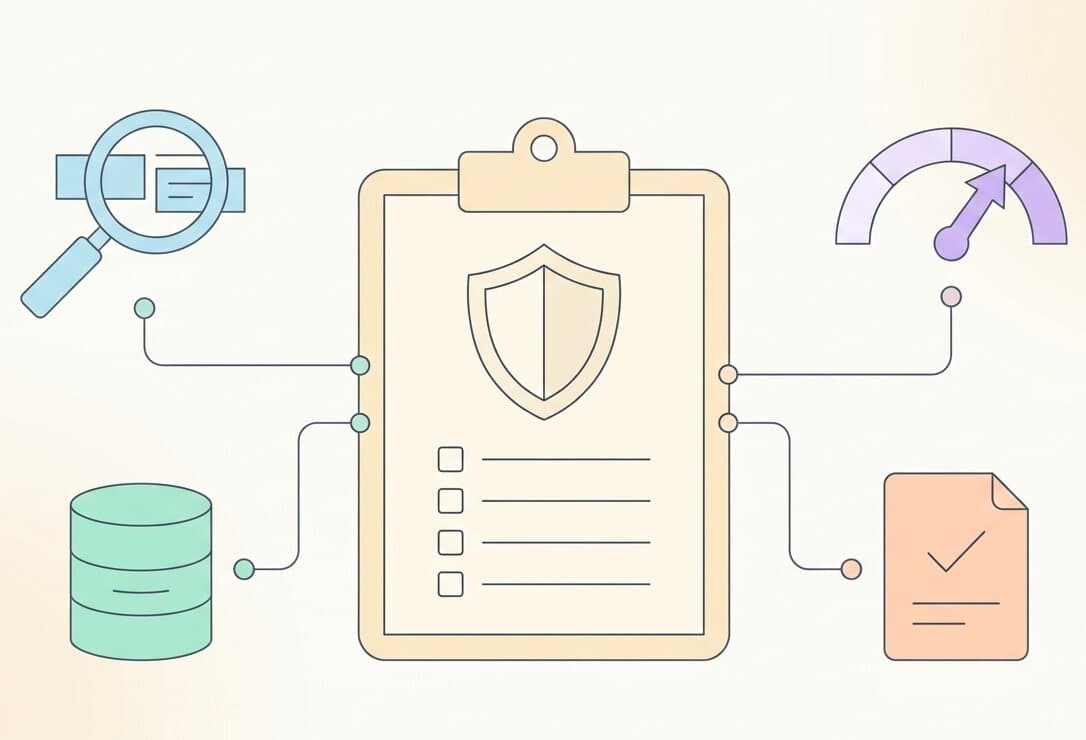
Organisations should schedule internal reviews alongside independent PCI DSS audit services from trusted PCI QSA professionals. Many companies also work with PCI ASV vendors for routine vulnerability scanning and free ASV scan testing opportunities. Regular testing supports ASV PCI compliance and helps validate security controls connected to payment applications. Businesses operating under PCI Level 2 compliance requirements should document every remediation effort carefully to simplify future audits.
What Role Do Payment Security Technologies Play in Insider Threat Prevention?
Payment security technologies reduce insider threats by limiting direct exposure to raw payment data. Strong technology controls create barriers that prevent employees from accessing usable cardholder information.
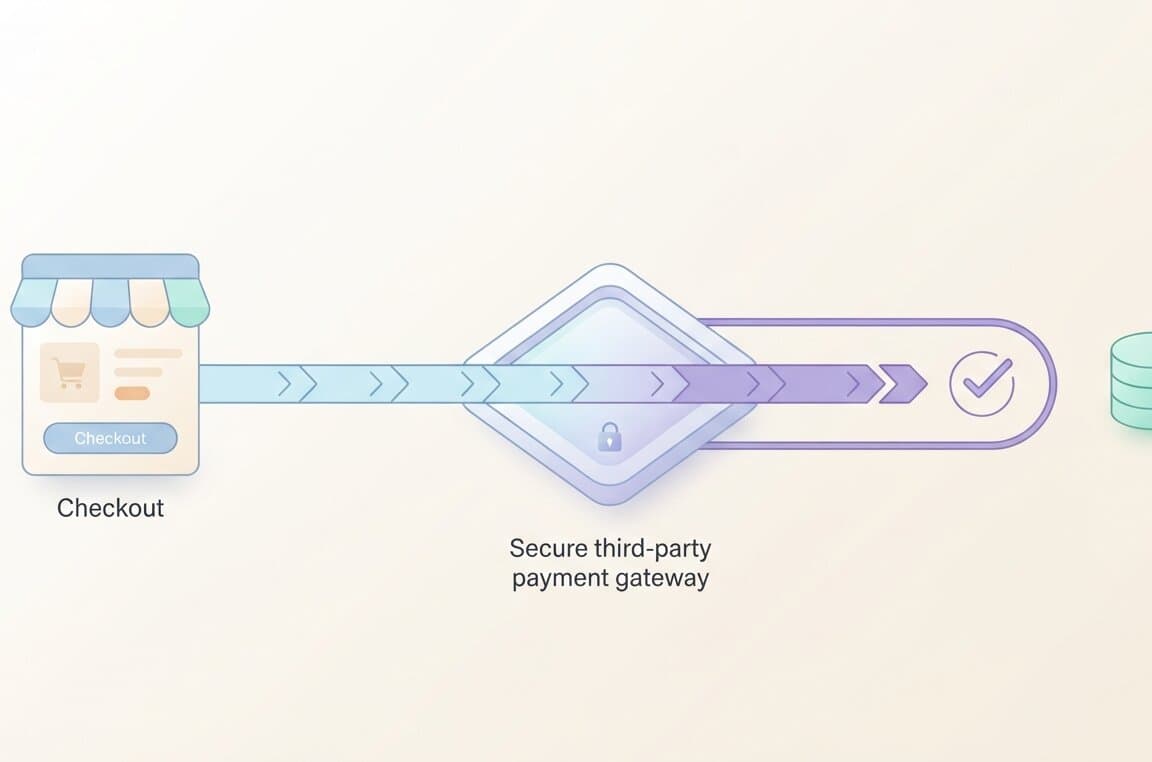
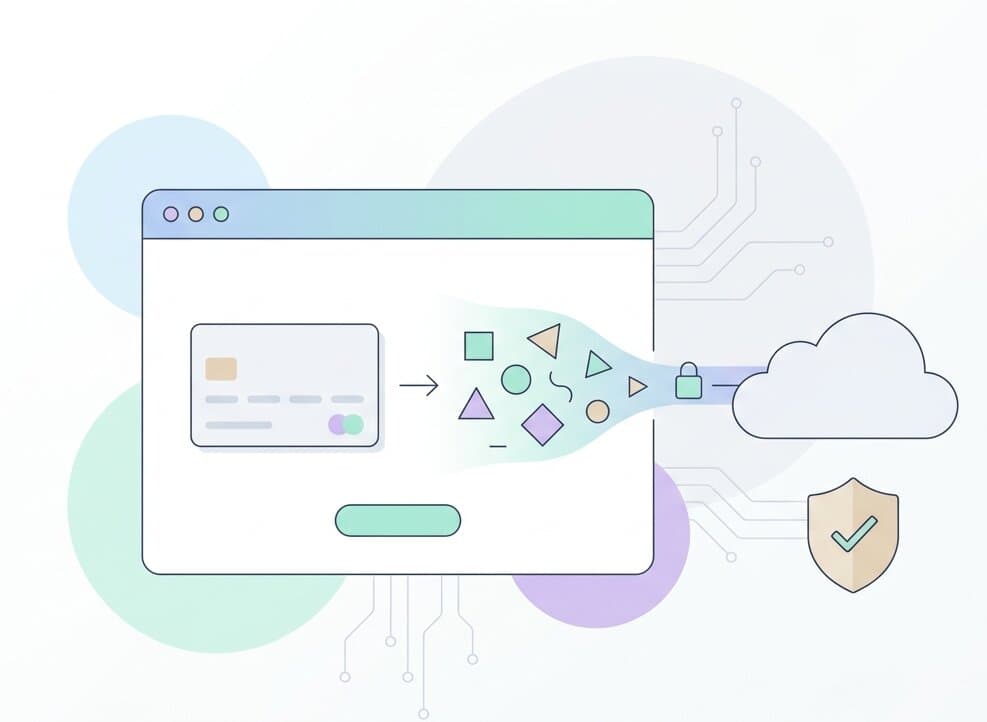
Businesses increasingly rely on tokenisation, encrypted payment gateways, and PCI P2PE solutions to isolate payment environments. Companies handling software-based payment platforms should also review pci ssf requirements to secure payment applications effectively.
A PCI compliance website checker can help identify weak customer-facing payment pages, while PCI P2PE SAQ documentation supports simplified reporting. Combining technology with strong oversight creates stronger PCI DSS compliance levels across every payment channel.
Why Should Businesses Work With PCI Security Experts After an Insider Incident?
Working with experts after an insider incident helps businesses contain damage, investigate weaknesses, and rebuild compliance quickly. External specialists provide independent validation that internal teams often cannot. A certified PCI qualified security assessor can identify compliance gaps, improve incident response procedures, and support recovery planning.
Businesses may also require guidance related to SOC 2, ISO 27001, or GDPR obligations if stolen payment data impacts broader customer information systems. Professional PCI QSA services also help organisations rebuild customer confidence while preparing for future PCI compliance audit requirements.
Is Your Business Prepared to Stop Employee Payment Data Theft?
Employee payment data theft is not just a technical problem; it is a business survival issue. Companies that fail to control insider access often face financial losses, audit penalties, and long-term reputational damage. Building a secure payment environment requires strong monitoring, employee accountability, encryption, and continuous compliance oversight. Businesses that proactively strengthen PCI DSS controls are far more likely to prevent insider threats before serious damage occurs.
If your organisation is struggling to secure payment environments from internal threats, Accorp Partners can help you strengthen your PCI DSS strategy before vulnerabilities turn into costly incidents. Our team provides expert PCI QSA guidance, compliance assessments, and risk-focused remediation support tailored to modern payment environments. Partner with Accorp Partners to reduce insider risk, improve audit readiness, and protect customer trust with confidence.
For more details, visit our PCI Compliance page.