.svg)
.svg)
.svg)
APR Audit for Singapore Startups Funded by Indian Parent Companies
Learn APR filing India rules for Singapore startups, overseas subsidiary audit, FEMA reporting, and ODI compliance requirements.

Accorp Compliance Team
Our team of compliance experts specializes in PCI DSS, SOC 2, and other security frameworks to help businesses achieve and maintain compliance.
Singapore has become one of the most preferred international business hubs for Indian startups looking to expand globally. From fintech and SaaS companies to AI and e-commerce ventures, many Indian founders establish Singapore subsidiaries to attract international investors, access global markets, and simplify regional operations. However, once Indian funds are invested into a Singapore entity, regulatory compliance under FEMA and the Overseas Direct Investment (ODI) framework becomes mandatory.
One of the most important annual requirements is completing the APR filing India process supported by a proper overseas subsidiary audit. Startups often focus heavily on growth and fundraising but overlook the importance of structured compliance reporting for overseas entities. Missing disclosures, delayed filings, or weak documentation can create RBI scrutiny and long-term ODI compliance risks.
This article explains how APR audits work for Singapore startups funded by Indian parent companies, the key compliance areas RBI reviews, and how businesses can maintain strong foreign subsidiary audit compliance.
Why Singapore Startups Must Comply With APR Filing India
Whenever an Indian company invests in a foreign entity, the investment falls under FEMA and ODI regulations.
Indian parent companies must submit an Annual Performance Report (APR) every year for each overseas subsidiary or joint venture.
APR filing for foreign subsidiaries generally includes:
Audited financial statements
Net worth details
Revenue and loss reporting
Shareholding information
Loan and guarantee disclosures
Details of overseas investment
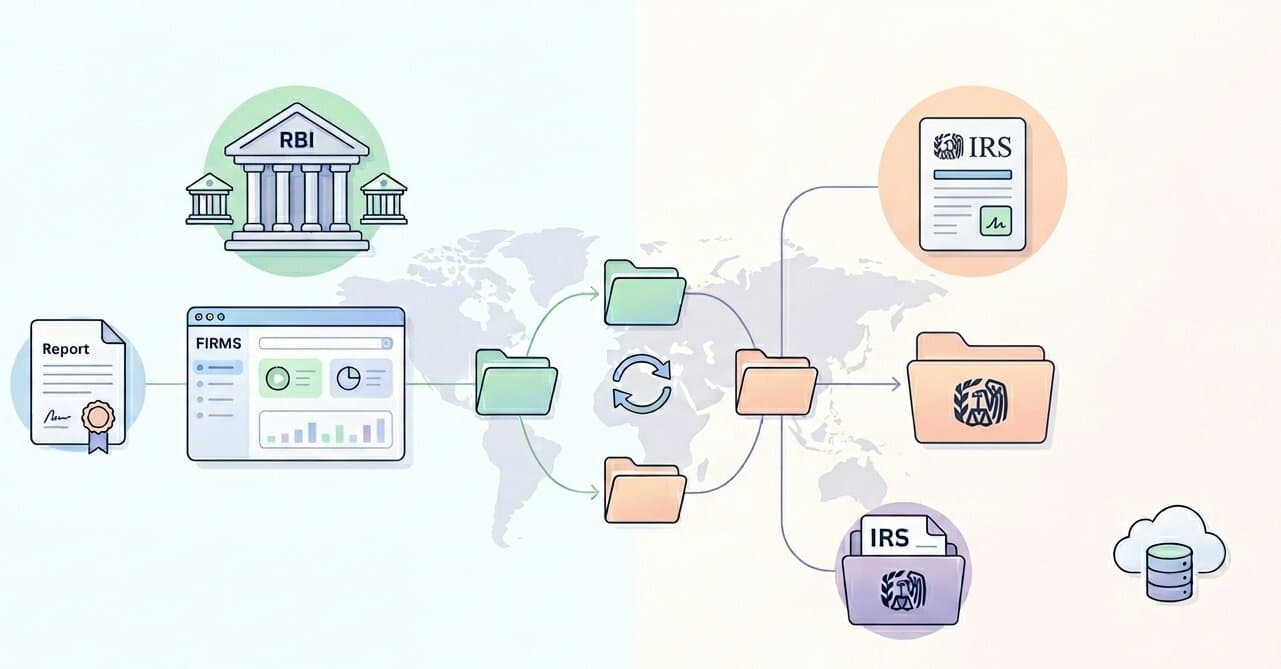
The RBI reviews this information to monitor overseas fund utilization and ensure ODI compliance.
Even startups with low revenue or early-stage operations are usually required to comply with APR filing obligations.
How Overseas Subsidiary Audit Applies to Singapore Startups
An overseas subsidiary audit verifies the financial and operational records of the foreign entity.
For Singapore startups, the audit generally examines:
Capital infusion from India
Expense reporting
Revenue recognition
Inter-company transactions
Bank records
Share capital structure
The purpose is to ensure that the financial statements accurately reflect the company’s activities and that overseas funding has been properly utilized.
The audit also helps support APR filing India documentation submitted to RBI.
RBI’s Focus Areas During APR Filing for Foreign Subsidiaries
1. Verification of Capital Infusion
RBI closely reviews:
Overseas remittances
Equity allotments
Parent company funding
Shareholding percentages
Businesses must maintain proper records for all overseas investments.
2. Review of Related-Party Transactions
Singapore startups often receive operational support from Indian parent companies through:
Management services
Technology support
Shared employees
Inter-company loans
These related-party transactions are carefully reviewed during foreign subsidiary audit compliance checks.
3. Monitoring of ODI Compliance Limits
The RBI also verifies whether:
Investments remain within ODI limits
Financial commitments are properly disclosed
Overseas guarantees and loans are accurately reported
Improper reporting can create future compliance restrictions.
Common Compliance Challenges for Singapore Startups
1. Startup Accounting Systems Are Often Unstructured
Early-stage startups may not maintain:
Detailed accounting records
Proper agreements
Board resolutions
Funding documentation
This becomes a major issue during APR filing India reviews.
2. Delayed Financial Reconciliation
Indian parent companies and Singapore subsidiaries often use separate accounting systems.
This creates mismatches in:
Inter-company balances
Expense allocation
Currency conversion
Funding records
Reconciliation delays are common during overseas subsidiary audit processes.
3. Incomplete Related-Party Documentation
Many startups fail to document:
Service agreements
Founder reimbursements
Loan arrangements
Intellectual property transfers
Weak documentation increases RBI scrutiny risks.
Why Local Singapore Compliance Alone Is Not Enough
Many businesses assume that complying with Singapore regulations automatically satisfies Indian FEMA requirements.
However:
Singapore accounting standards focus on local statutory reporting
RBI focuses on ODI compliance and overseas investment monitoring
This difference creates reporting gaps during APR filing for foreign subsidiaries.
Similarly:
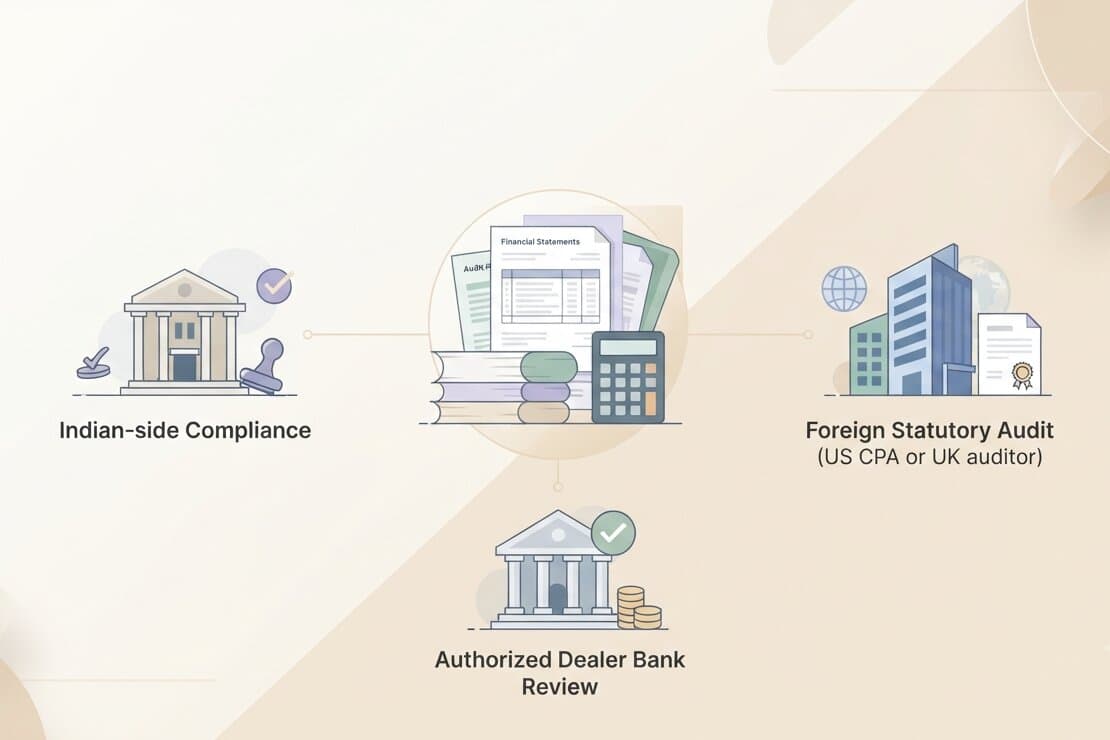
US subsidiaries may require a US CPA for APR filing
UK entities may need a UK auditor for APR filing
But Indian companies must still separately ensure FEMA compliance.
Key Documents Required for APR Audit Support
Businesses should maintain:
Audited financial statements
Share certificates
Board resolutions
Bank remittance proofs
Loan agreements
Cap table records
Related-party contracts
Currency conversion worksheets
Strong documentation improves foreign subsidiary audit compliance significantly.
Currency Conversion Challenges in APR Reporting
Singapore subsidiaries generally maintain accounts in SGD, while RBI reporting often requires INR disclosures.
Businesses must:
Use accurate exchange rates
Maintain consistent conversion methods
Reconcile overseas investment balances properly
Incorrect currency conversion frequently causes reporting mismatches during APR filing India.
Best Practices for Smooth APR Filing
1. Build Compliance Processes Early
Startups should establish accounting and compliance systems from the beginning instead of waiting until audit season.
2. Coordinate Between Indian and Singapore Teams
Finance teams across jurisdictions should regularly reconcile:
Funding records
Inter-company balances
Expense allocations
Capital contributions
3. Conduct FEMA Reviews Separately
A local overseas audit may not fully address RBI reporting requirements.
Businesses should separately review:
ODI disclosures
FEMA obligations
APR filing requirements
4. Work With International Compliance Experts
Professional advisors can help startups:
Prepare APR filings
Review overseas accounting
Coordinate with auditors
Handle RBI clarification requests
Improve reporting accuracy
This becomes especially important for venture-backed startups managing multiple investors and overseas entities.
Why Accurate APR Filing Matters for Startups
Strong compliance reporting helps startups:
Maintain regulatory credibility
Support future fundraising
Simplify international expansion
Improve investor confidence
Avoid RBI scrutiny
Poor compliance management can create complications during future overseas investment rounds or corporate restructuring.
Conclusion
For Indian startups operating through Singapore entities, maintaining proper overseas subsidiary audit processes is essential for FEMA and ODI compliance. RBI carefully reviews overseas investments, related-party transactions, and financial disclosures during APR filing India.
While local statutory compliance in Singapore remains important, businesses must also ensure that APR filing for foreign subsidiaries aligns with Indian regulatory expectations.
Startups that build strong documentation systems, coordinate global financial reporting, and seek professional compliance support can significantly improve foreign subsidiary audit compliance and reduce long-term regulatory risks.
Also Read: AD Bank Rejected Your APR Audit? Common Reasons and How to Fix Them