.svg)
.svg)
.svg)
What Happens If You Miss APR Filing Under FEMA Regulations
Missed APR filing India? Learn FEMA penalties, ODI compliance risks, overseas subsidiary audit issues, and RBI reporting impact.

Accorp Compliance Team
Our team of compliance experts specializes in PCI DSS, SOC 2, and other security frameworks to help businesses achieve and maintain compliance.
Expanding into international markets offers Indian businesses access to global customers, investors, and operational advantages. However, overseas expansion also brings strict regulatory responsibilities under FEMA and the Overseas Direct Investment (ODI) framework. Among these obligations, APR filing India is one of the most important annual compliance requirements for companies with foreign subsidiaries or joint ventures.
Many businesses mistakenly assume that missing an Annual Performance Report (APR) filing is a minor procedural issue. In reality, delayed or non-filed APR submissions can create serious regulatory consequences, including restrictions on future overseas investments, RBI scrutiny, and compliance complications under FEMA regulations.
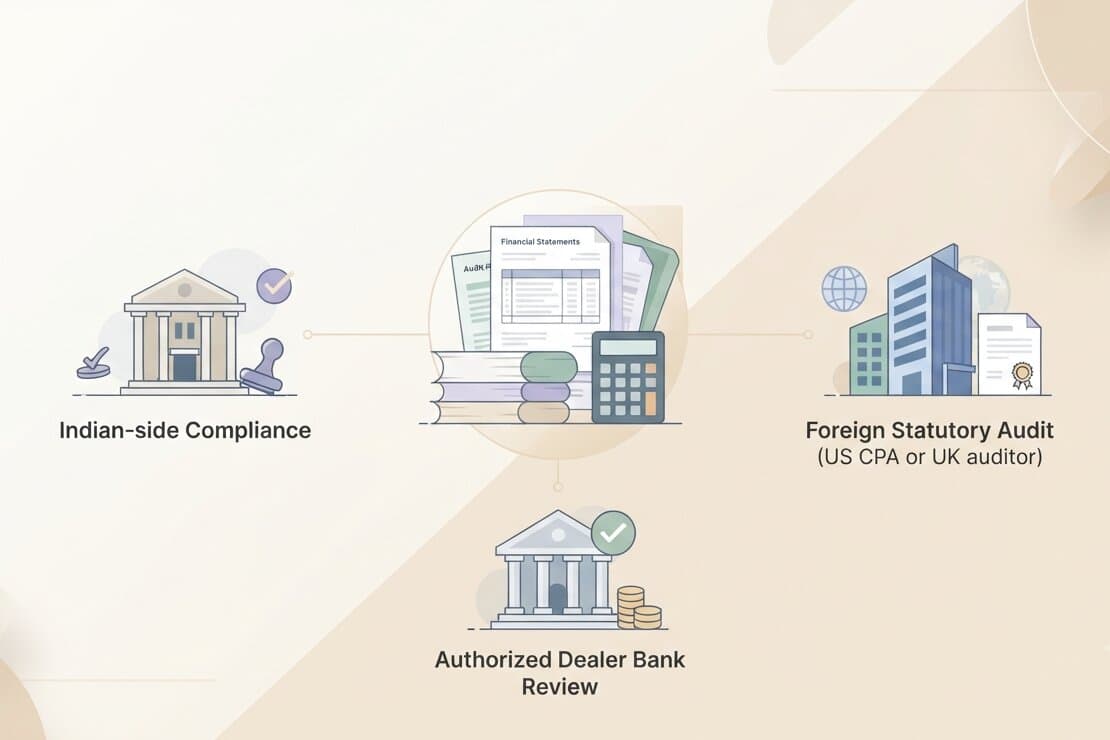
Whether a company operates through a US entity audited by a US CPA for APR filing or a UK subsidiary reviewed by a UK auditor for APR filing, RBI expects timely and accurate reporting from all overseas investments. Understanding the impact of missed APR filing deadlines is essential for maintaining strong foreign subsidiary audit compliance and avoiding long-term ODI compliance risks.
Understanding APR Filing India Under FEMA
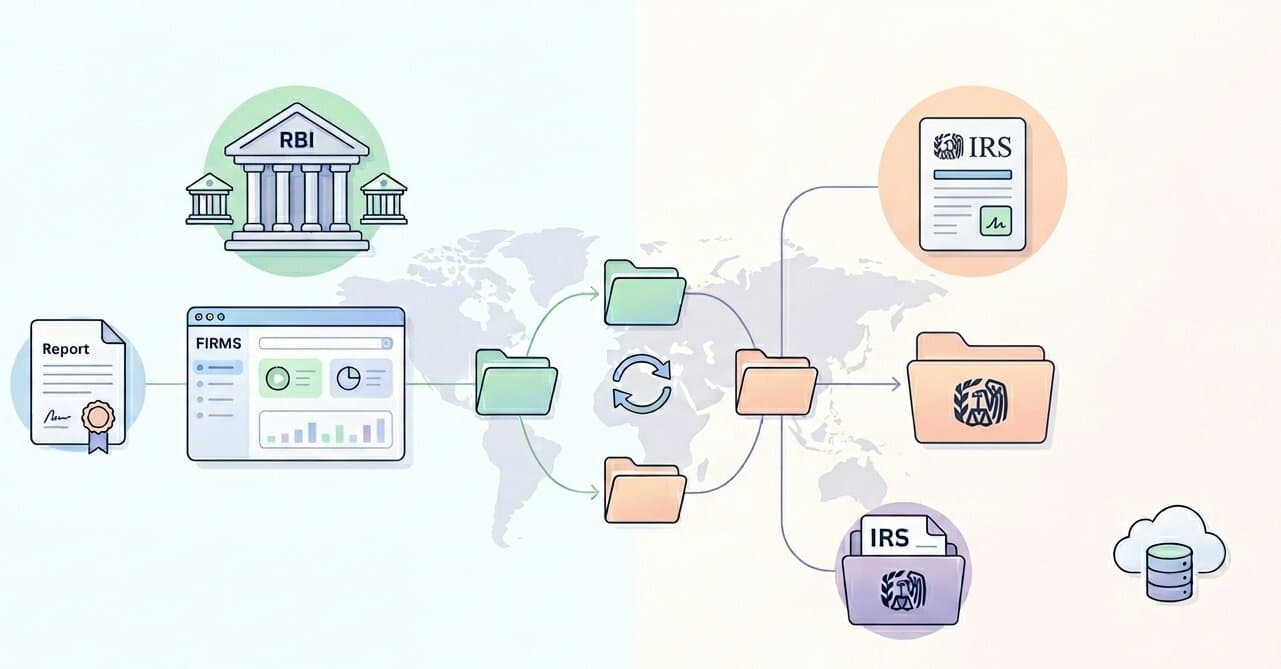
Under FEMA regulations, Indian entities investing abroad must submit an Annual Performance Report to the Reserve Bank of India each year.
APR filing for foreign subsidiaries generally includes:
Audited financial statements
Net worth details
Turnover and profitability information
Shareholding structure
Loan and guarantee disclosures
Related-party transaction details
The RBI uses APR reporting to monitor:
Overseas investment performance
Fund utilization
ODI exposure
Compliance with FEMA rules
Even inactive overseas entities are often required to comply with APR filing obligations.
Why RBI Treats Missed APR Filing Seriously
The RBI considers APR filing India an important compliance mechanism for monitoring overseas investments.
Missing APR submissions may create concerns regarding:
Unreported overseas transactions
ODI compliance breaches
Inaccurate financial disclosures
Unauthorized fund movement
Lack of financial transparency
As a result, delayed reporting can affect a company’s overall compliance profile.
Immediate Consequences of Missing APR Filing
Restriction on Future ODI Transactions
One of the biggest consequences is that businesses may face restrictions on:
Additional overseas investments
New foreign subsidiaries
Overseas remittances
Corporate guarantees
Step-down subsidiary approvals
RBI often reviews APR compliance history before permitting further ODI transactions.
Increased RBI Scrutiny
Missed APR filing for foreign subsidiaries may trigger:
Clarification notices
Compliance reviews
Requests for supporting documents
Additional reporting obligations
Companies with repeated filing delays may face closer monitoring.
Delay in Banking Approvals
Authorized dealer (AD) banks also review FEMA compliance before processing overseas transactions.
Pending APR filings can delay:
Overseas remittances
Funding approvals
Guarantee issuance
Cross-border banking transactions
This may impact international business operations directly.
How Missed APR Filing Impacts Overseas Subsidiary Audit
An overseas subsidiary audit helps support accurate APR reporting by validating:
Financial statements
Investment balances
Related-party transactions
Capital infusion records
Inter-company funding disclosures
When APR filing India is delayed or missed:
Financial reconciliation becomes more difficult
Documentation gaps increase
Audit reviews become more complex
This creates foreign subsidiary audit compliance risks for both the overseas entity and the Indian parent company.
Common Reasons Companies Miss APR Filing Deadlines
Delayed Overseas Audit Completion
Foreign subsidiaries may complete audits later than Indian reporting timelines.
For example:
US audits under a US CPA for APR filing
UK statutory audits under a UK auditor for APR filing
may not align perfectly with RBI reporting schedules.
Poor Internal Coordination
Indian parent companies and overseas finance teams often fail to coordinate:
Financial reporting
Currency conversion
Inter-company reconciliation
Documentation collection
This frequently causes filing delays.
Lack of FEMA Awareness
Some companies mistakenly assume:
Local foreign audits are sufficient
APR filing is optional for dormant subsidiaries
Small overseas entities are exempt
These assumptions can create serious ODI compliance issues.
Penalties and Compliance Risks Under FEMA
While penalties depend on the nature and duration of non-compliance, FEMA violations can lead to:
Monetary penalties
Compounding proceedings
Regulatory scrutiny
Delays in future approvals
Repeated compliance failures may also affect a company’s banking relationships and international expansion plans.
How Businesses Can Regularize Missed APR Filing
1. Complete Pending Overseas Audits
Businesses should first finalize all pending audited financial statements for overseas subsidiaries.
This includes:
Financial reconciliation
Documentation review
Inter-company balance confirmation
2. Prepare Corrected APR Documentation
Companies may need to:
Update missing disclosures
Correct reporting inconsistencies
Reconcile ODI balances
Clarify related-party transactions
Proper reporting improves the chances of smoother regularization.
3. Coordinate With Authorized Dealer Banks
AD banks often assist businesses in:
Filing delayed APRs
Submitting clarification documents
Managing FEMA communication
Early coordination helps reduce delays.
4. Seek Professional Compliance Support
Cross-border FEMA compliance can be technically complex.
Professional advisors help businesses:
Prepare pending APR filings
Review overseas financial reporting
Coordinate with foreign auditors
Handle RBI clarification requests
Improve foreign subsidiary audit compliance
This becomes especially important when multiple overseas entities are involved.
Best Practices to Avoid APR Filing Delays
Maintain a Compliance Calendar
Businesses should track:
APR deadlines
Overseas audit schedules
FEMA reporting dates
ODI filing obligations
Structured tracking reduces missed filings.
Start Audit Preparation Early
Early planning allows sufficient time for:
Financial reconciliation
Currency conversion
Documentation review
Audit completion
Build Centralized Documentation Systems
Maintain organized records for:
Remittance proofs
Loan agreements
Board resolutions
Shareholding records
Auditor reports
Strong documentation simplifies APR filing for foreign subsidiaries.
Why Timely APR Filing Matters for Global Expansion
Consistent APR filing India compliance supports:
Faster ODI approvals
Better regulatory credibility
Smooth overseas expansion
Strong banking relationships
Reduced compliance risks
Businesses with clean compliance histories generally face fewer regulatory obstacles during future international growth.
Conclusion
Missing APR filing India deadlines under FEMA regulations can create significant operational and regulatory challenges for Indian businesses with overseas subsidiaries. RBI closely monitors overseas investments through APR reporting, and delayed filings can affect future ODI compliance approvals, banking transactions, and foreign expansion activities.
A properly managed overseas subsidiary audit, combined with organized documentation and timely compliance review, helps businesses reduce reporting risks and maintain regulatory transparency.
Whether companies work with a US CPA for APR filing, a UK auditor for APR filing, or other international compliance professionals, proactive APR management remains essential for long-term global business success.
Also Read: APR Audit for Singapore Startups Funded by Indian Parent Companies