.svg)
.svg)
.svg)
Why US GAAP Audited Financials Are Not Enough for RBI APR Audit Compliance
US GAAP audits may not satisfy RBI APR filing. Learn the FEMA and ODI compliance gaps Indian companies face with overseas subsidiaries.

Accorp Compliance Team
Our team of compliance experts specializes in PCI DSS, SOC 2, and other security frameworks to help businesses achieve and maintain compliance.
Many Indian companies with US subsidiaries believe that once their American entity completes a US GAAP audit, all international compliance requirements are automatically covered. While a US audit is essential for local statutory and tax purposes, RBI reporting under FEMA follows a very different objective. This is where many businesses face unexpected compliance challenges during APR filing.
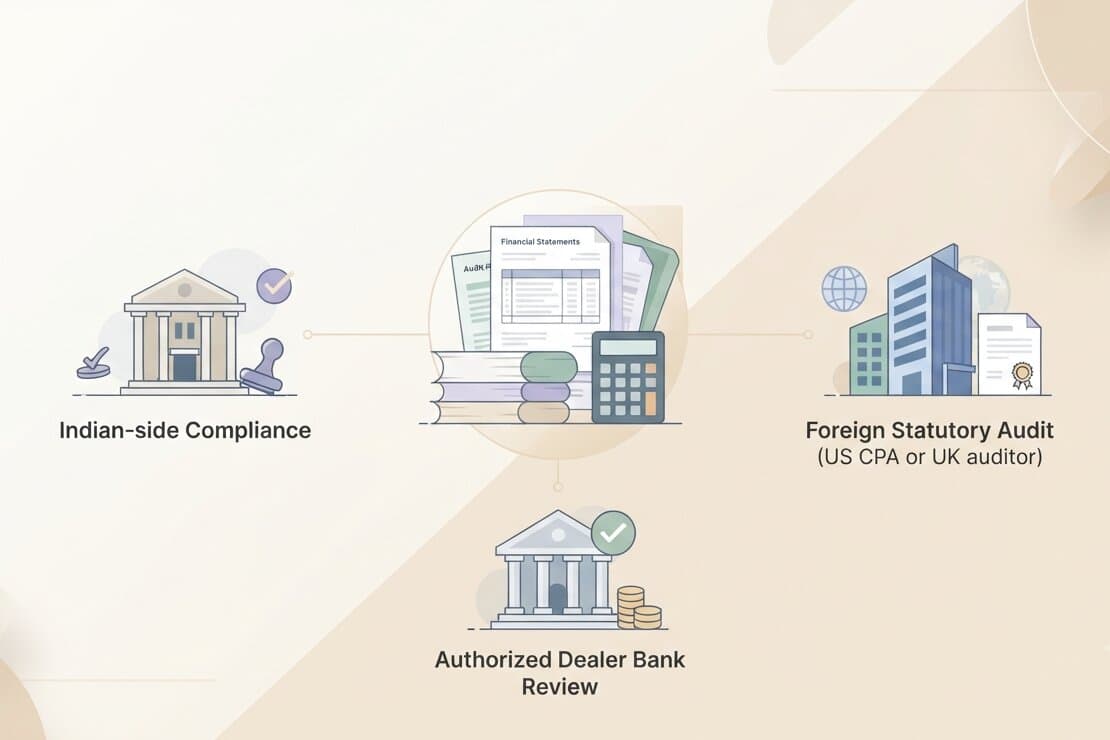
A US CPA for APR filing may certify financial statements according to American accounting standards, but RBI’s focus goes beyond US GAAP compliance. The Reserve Bank of India evaluates overseas investments from a FEMA and ODI compliance perspective, which includes capital movement, overseas exposure, related-party transactions, and financial commitment reporting.
As a result, companies often discover that US audited financial statements alone may not fully satisfy APR filing India requirements. Understanding these differences is critical for businesses aiming to maintain smooth foreign subsidiary audit compliance and avoid RBI scrutiny.
This article explains why US GAAP reporting and RBI APR compliance differ, the common gaps businesses face, and how companies can improve reporting accuracy for overseas subsidiaries.
RBI and US GAAP Audits Serve Different Purposes
US GAAP financial statements are primarily prepared to:
Meet US legal requirements
Support tax reporting
Provide investor transparency
Ensure accounting accuracy
However, RBI evaluates overseas subsidiaries from a regulatory and foreign exchange monitoring perspective.
Under FEMA and ODI compliance rules, RBI examines:
Overseas investment structure
Fund utilization
Capital infusion records
Related-party transactions
Guarantees and loans
Overseas financial exposure
This means a technically correct US GAAP audit may still leave gaps from an RBI reporting perspective.
What RBI Expects During APR Filing India
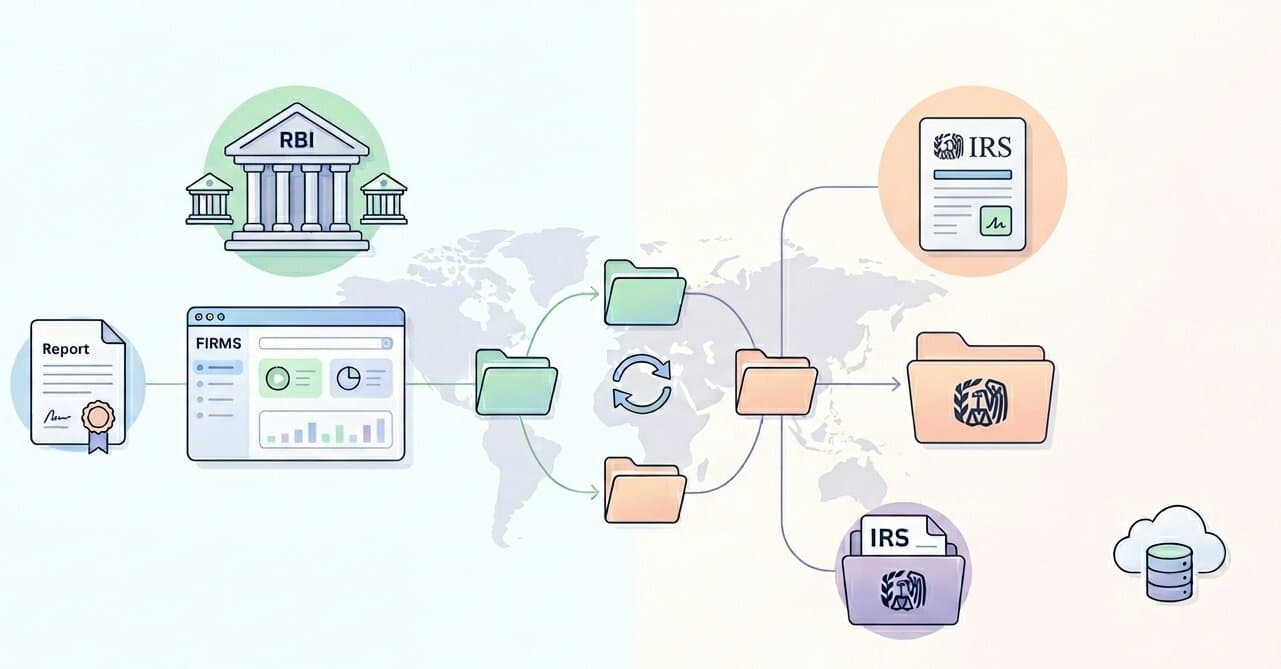
APR filing India requires Indian companies to submit annual performance details of their overseas subsidiaries or joint ventures.
APR filing for foreign subsidiaries generally includes:
Audited financial statements
Net worth disclosures
Operational performance
Shareholding details
Loan and guarantee reporting
Related-party transaction disclosures
The RBI uses this information to monitor whether overseas investments remain compliant with FEMA regulations.
Why US GAAP Financials May Not Fully Match FEMA Reporting Needs
FEMA Focuses on ODI Transactions
US accounting standards focus on financial presentation, while FEMA focuses on:
Overseas investment monitoring
Cross-border fund movement
RBI-approved financial commitments
ODI exposure limits
As a result, RBI may seek additional disclosures beyond audited US financial statements.
Capital Infusion Reporting Differences
A US subsidiary may record investments according to US accounting treatment, but RBI also expects:
Remittance tracking
ODI reporting consistency
Historical investment reconciliation
FEMA disclosure alignment
If records do not reconcile with RBI filings, clarification requests may arise.
Related-Party Transactions Receive Extra Attention
US GAAP disclosures may satisfy American reporting standards, but RBI carefully reviews:
Inter-company loans
Service agreements
Royalty payments
Shared expenses
Parent company funding arrangements
during an overseas subsidiary audit.
Incomplete disclosures can create foreign subsidiary audit compliance concerns.
Currency Conversion Complications
One major challenge during APR filing India is that US subsidiaries maintain books in USD, while Indian reporting often requires INR-based analysis.
This creates issues involving:
Exchange rate fluctuations
Historical investment valuation
Loan reconciliation
Profit conversion differences
Even when audited correctly under US GAAP, RBI may still identify inconsistencies in converted reporting values.
Why Local US Audits Alone May Not Be Enough
A US CPA for APR filing generally certifies:
Financial statement accuracy
Compliance with US accounting standards
Local statutory reporting obligations
However, FEMA reporting often requires:
ODI-specific disclosures
RBI reconciliation
Additional explanations regarding overseas exposure
This is why businesses frequently require separate FEMA compliance review even after US audits are completed.
Common RBI Questions Despite US Audits
Verification of ODI Balances
RBI may ask businesses to confirm:
Equity investments
Loan balances
Outstanding guarantees
Additional financial commitments
Clarification on Fund Movement
Cross-border transactions between:
Indian parent companies
US subsidiaries
Step-down entities
often receive additional scrutiny.
Explanation of Financial Variations
RBI may request clarification for:
Sudden revenue changes
Losses in overseas subsidiaries
Capital restructuring
Unusual related-party transactions
even if the US audit report is clean.
How Overseas Subsidiary Audit Helps Strengthen Compliance
An overseas subsidiary audit aligned with FEMA requirements helps businesses:
Reconcile ODI disclosures
Review cross-border transactions
Validate remittance records
Track inter-company balances
Improve APR reporting accuracy
This creates a stronger compliance position during RBI review.
Common Mistakes Indian Companies Make
1. Assuming Local Audit Automatically Covers RBI Requirements
Many companies believe that a completed US audit removes the need for additional FEMA review.
This assumption often creates reporting gaps.
2. Missing Historical ODI Documentation
Businesses sometimes fail to maintain:
RBI approvals
Remittance records
Share allotment documents
Loan agreements
These records remain important during APR filing for foreign subsidiaries.
3. Delayed Coordination Between Indian and US Teams
Lack of coordination often causes:
Reporting mismatches
Currency conversion errors
Delayed filings
Incomplete disclosures
Best Practices for FEMA-Compliant APR Reporting
1. Conduct Separate FEMA Reconciliation
Businesses should independently review:
ODI disclosures
RBI filings
Overseas investments
Financial commitments
even after local audits are complete.
2. Maintain Centralized Compliance Records
Keep organized documentation for:
Board resolutions
Remittance proofs
Share certificates
Loan agreements
Audit reports
This supports smoother RBI review.
3. Coordinate With Experienced Compliance Professionals
Companies should work with professionals who understand:
FEMA regulations
RBI expectations
Overseas audit structures
Cross-border reporting requirements
This becomes especially important for businesses with multiple overseas subsidiaries.
The Role of Other Foreign Auditors in APR Reporting
The same principle applies outside the US as well.
For example:
A UK auditor for APR filing may satisfy UK statutory rules
RBI may still require additional FEMA-related clarification
This highlights the difference between local accounting compliance and Indian overseas investment reporting requirements.
Conclusion
A clean US GAAP audit does not automatically guarantee RBI compliance during APR filing India. While a US CPA for APR filing ensures local financial reporting accuracy, RBI evaluates overseas subsidiaries through the broader lens of FEMA and ODI compliance.
An effective overseas subsidiary audit should therefore go beyond statutory accounting standards and include ODI reconciliation, FEMA disclosures, currency conversion review, and related-party transaction analysis.
Businesses that proactively align US audits with Indian compliance expectations can strengthen foreign subsidiary audit compliance, reduce RBI queries, and manage global expansion with greater confidence.
Also Read: Foreign subsidiaries financials are not rupees - how to tackle that