Setting Up a GCC in India: The Legal and Tax Groundwork Before You Hire
Planning GCC setup in India? Learn the entity structure, FEMA rules, transfer pricing safe harbour and compliance groundwork before you hire.

Accorp Compliance Team
Our team of compliance experts specializes in PCI DSS, SOC 2, and other security frameworks to help businesses achieve and maintain compliance.
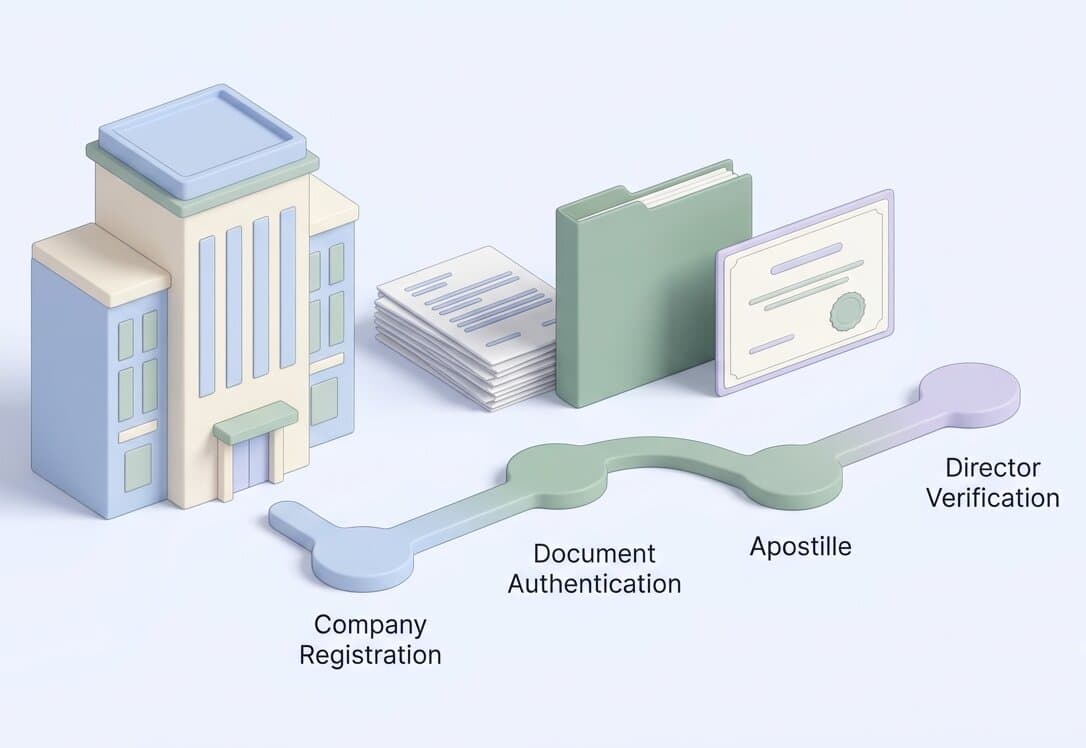
The smart way to approach GCC setup in India is to finish the legal and tax groundwork before the first offer letter goes out. Hiring is the visible part of a GCC. The structure underneath it, meaning the entity, the funding route, the intercompany agreement and the transfer pricing policy, is what decides whether the centre stays compliant and cost-efficient as it grows.
This guide walks through that groundwork for a global capability centre in India, in the order you should settle it. It also reflects the 2026 change to the transfer pricing safe harbour, which makes the tax planning for captive centres easier than it has been in years.
What You Are Actually Setting Up
A GCC is usually a captive service provider. The Indian company performs work for its parent or group companies, such as engineering, analytics, finance operations or support, and the group pays it for those services. The Indian entity is not a sales or product company. Its commercial relationship is with the group, and that single fact shapes the legal and tax design.
Because the centre sells services to a related party, the price of those services is a tax question as much as a commercial one. That is why transfer pricing and the services agreement belong in the groundwork, not in the first year's clean-up.
Foundation 1: Choose the Entity Structure
Most GCCs are set up as a private limited company under the Companies Act, 2013. This is the standard answer to the GCC entity structure India question, because it gives the parent full ownership and control, limited liability and a recognised form for hiring, contracting and later expansion.
The practical features are straightforward. A private limited company needs at least two directors, one of whom must be a resident in India, and at least two shareholders. In a wholly owned setup, the parent holds all but one share and a nominee holds the last one. There is no statutory minimum capital, and most technology and shared-services activities are open to 100% foreign investment under the automatic route.
Other forms - An LLP is lighter on filings but suits stock-based incentives poorly, and parent companies usually want share capital in the Indian entity. A branch office is an extension of the foreign company and carries foreign-company tax treatment, which is why it is rarely used for a growing centre. If you are unsure which form fits, compare the options in our guide to the Indian subsidiary of a US company versus the reverse arrangement.
Sector checks - Regulated sectors such as banking, insurance and certain financial services may need additional approvals even when the work is internal. Confirm your sector before you finalise the objects clause.
Operating models - Some companies use a build-operate-transfer or managed-GCC partner to launch faster and then take over the entity. These models still end in an Indian company that you own, so the same legal groundwork applies.
Foundation 2: Fund It Correctly Under FEMA
Capital sent into an Indian company is regulated under FEMA. The rules are simple to follow if you plan for them and painful to fix later. The parent remits the subscription amount through banking channels, shares are priced at or above fair value and allotted within the permitted window, and the Indian company files Form FC-GPR within 30 days of allotment. Our RBI reporting guide explains each form and deadline, including the annual FLA return.
A GCC usually needs working capital before the first cost-plus invoice is paid, so size the initial equity to cover the early months of salaries, rent and set-up costs. If the group wants to lend instead, remember that loans from a foreign parent fall under the external commercial borrowing rules, with conditions on cost, tenure and reporting. Take advice before mixing equity and debt.
Once the centre is running, the group's main funding is the fee it pays for services. Receipts for exported services should come through banking channels within the period the rules prescribe, so build that into your invoicing calendar.
Foundation 3: The Intercompany Services Agreement
The intercompany services agreement is the single most important commercial document for a GCC. It should state the services the centre will deliver, the service levels, who owns the intellectual property the team creates, how fees are calculated, how and when invoices are raised, confidentiality and data protection terms, and how the arrangement ends.
Two points deserve special attention. First, the IP clause: if employees in India create software or designs, the agreement should make clear that the rights sit with the parent or are assigned to it. Second, the pricing clause: it should match the transfer pricing policy exactly, because tax authorities read the two documents together.
Foundation 4: Transfer Pricing and the 2026 Safe Harbour
A GCC charges its parent or group for services, so the price must be at arm's length. For most captive centres, this means a cost-plus model: the Indian entity recovers its operating costs plus a markup.
The Union Budget 2026-27 changed the landscape. Software development, IT-enabled services, KPO and contract software R&D were brought into a single information technology services category with a uniform safe harbour margin of 15.5% on operating costs. The eligibility threshold was raised from ₹300 crore to ₹2,000 crore, and the framework applies from 1 April 2026, with approvals handled through an automated process and continuing for several years once accepted.
The safe harbour is optional and has to be elected. It gives certainty in exchange for a prescribed margin, and it can limit access to treaty dispute resolution for the covered transaction. Smaller and mid-sized GCCs may find it the easiest route. Larger or more complex centres should compare it with a benchmarking study or an advance pricing agreement. Whichever route you pick, confirm the current eligibility conditions and election procedure before you finalise the policy.
Transfer pricing also brings documentation. Expect an annual transfer pricing report certified by an accountant for international transactions above the threshold, generally due around 30 November, and maintain contemporaneous records throughout the year.
Foundation 5: Corporate Tax, GST and Permanent Establishment
Corporate tax. The Indian company is a tax resident and pays tax on its profits. Most domestic companies choose the concessional corporate tax regime, which has an effective rate of roughly 25% including surcharge and cess, but the choice has conditions, so confirm what applies.
GST. Services provided to a foreign group company are generally treated as exports of services and can be zero-rated if conditions are met, such as payment in convertible foreign exchange and filing the required undertaking. Credit on inputs and refund rules are details your accountant should model before launch.
Withholding and remittances. Payments out of India, such as reimbursements or royalties to the parent, involve withholding tax, treaty relief and bank certifications. Decide early whether any such flows will exist.
Permanent establishment. A well-structured GCC that works only for the group, under a documented agreement and at arm's length, is the standard way to contain permanent establishment exposure. Risks rise when Indian staff negotiate or conclude contracts for the foreign company, or when the centre starts selling to third parties. Keep the mandate clear.
The parent's side. If the parent is a US company, it generally reports the Indian subsidiary each year on Form 5471. Our guide to Form 5471 obligations for US persons owning an Indian company explains who must file.
Foundation 6: Local Registrations, Labour and Data
After incorporation, the centre needs the usual Indian registrations: PAN and TAN, GST, provident fund and employee state insurance where applicable, professional tax and state shops and establishments registration. Confirm the current rules for each state you will operate in.
You also need a registered office. If you are tempted to use a virtual address while the office is being fitted out, read our guide on whether a foreign company can register with a virtual office first, because the rules on use and proof matter.
Open the bank account early, because inward remittance and FC-GPR both depend on it. Our company bank account guide lists what banks usually ask for.
Labour and workplace compliance deserves a checklist of its own: employment contracts and policies aligned with the current labour law framework, a gratuity and benefits plan, and an internal complaints committee once you reach the headcount threshold. Labour codes have been changing, so verify the current position.
Data protection also belongs in the groundwork. A GCC often handles personal data from the group's customers or employees. Make sure your policies, vendor contracts and security controls fit India's data protection law and your group's own standards.
Incentives are the last item on the list. Several states have GCC-focused policies with incentives for location, hiring or infrastructure, and some centres use SEZ or STPI status for specific benefits. These change often, so compare them with the group's plans before you pick the city, not after.
Foundation 7: Hiring Without Waiting
The entity must exist and have its registrations before it can issue employment contracts. That takes weeks, and many groups want a few key people on board earlier. A short-term employer-of-record arrangement can bridge the gap, and the employees can be transferred to the Indian company once it is ready. Our guide on entity versus EOR versus contractors for hiring in India explains the trade-offs.
When the entity is ready, hire the leadership first: a GCC head, a finance lead and an HR and compliance lead. They will build the rest of the centre and own the compliance calendar. Then scale in phases, so that each wave of hiring has the support it needs.
The Right Order of Work
Define the mandate. Decide what the centre will do, for which group companies, and under which operating model.
Choose the structure. Confirm the entity type, share structure and director line-up, including the resident director.
Incorporate remotely if needed. Foreign parents can usually complete the process without travelling, as our guide on setting up remotely without being in India explains.
Open the bank account and remit capital. Allot shares and file FC-GPR within the deadline.
Sign the services agreement and fix the transfer pricing policy. Decide whether to elect the safe harbour.
Complete the tax and labour registrations.
Set up the office, systems and data controls.
Hire the leadership team, then scale.
A typical programme from decision to launch takes a few months, though timelines vary with the model, city and hiring plan.
Mistakes That Create Problems Later
Some of the same errors come up repeatedly. Groups hire before the entity and its registrations exist. They fund the centre without planning the FC-GPR filing. They sign a services agreement that does not match the transfer pricing policy. They treat the safe harbour as automatic instead of electing it. They allow Indian staff to negotiate contracts for the group without considering permanent establishment. And they leave the compliance calendar with no owner, so FEMA, company law and tax dates are missed.
The Takeaway
A GCC runs smoothly when the foundations are settled before hiring starts: a wholly owned private limited company, capital that enters under FEMA, a services agreement that matches your transfer pricing policy, a deliberate choice about the safe harbour, and a named owner for the compliance calendar. The talent is what makes the centre valuable, but the legal and tax groundwork is what lets you keep it.
Planning a GCC in India? Talk to Accorp Partners about entity setup, FEMA filings, transfer pricing and ongoing compliance for your captive centre.
Frequently Asked Questions
1. Is a GCC a separate legal entity in India?
Usually, yes. Most groups set up a private limited company as a wholly owned subsidiary, which employs the team and provides services to the parent. Some start with a partner-run or build-operate-transfer arrangement, but the aim is typically to hold the entity directly.
2. Can we set up a GCC as a branch office instead?
It is possible in principle, but it is rarely chosen for a growing centre. A branch is an extension of the foreign company, needs regulatory approval, is limited to specified activities and is taxed at foreign-company rates. A subsidiary is cleaner for hiring, contracting and later expansion.
3. Why is the GCC paid on a cost-plus basis?
The centre serves only the group, so there is no market price to point to. Cost-plus recovers the Indian entity's operating costs plus a markup that is considered arm's length. It is the common method for captive service providers and the basis for the safe harbour as well.
4. What is the transfer pricing safe harbour for GCCs now?
For eligible IT services, which include software development, IT-enabled services, KPO and contract software R&D, the Budget 2026-27 framework prescribes a uniform 15.5% margin on operating costs for revenue up to ₹2,000 crore, applying from 1 April 2026. It has to be elected and has conditions, so confirm the current rules before relying on it.
5. How long does it take to set up a GCC in India?
Incorporation and registrations take weeks, and many programmes need a few months in total once the office, hiring and systems are included. The timeline depends on the operating model, the city and how fast the parent finalises its mandate and agreements.
6. Does a GCC create a permanent establishment for the parent?
Not by default. A captive centre that works only for the group, under a documented agreement and at arm's length, is the usual way to manage the risk. The position changes if staff negotiate or conclude contracts for the parent or if the centre begins operating independently. Get tax advice on your facts.