.svg)
.svg)
.svg)
PCI DSS Compliance Checklist for Startups: What Founders Miss Most
Learn the PCI DSS compliance checklist startups often miss. Avoid audit gaps, secure payment data, and prepare for compliance with experts.

Accorp Compliance Team
Our team of compliance experts specializes in PCI DSS, SOC 2, and other security frameworks to help businesses achieve and maintain compliance.
Startups move fast, but payment security mistakes can become expensive very quickly. Many founders assume their payment gateway handles everything, only to discover gaps during a PCI DSS assessment or customer security review. Missing small compliance steps can delay partnerships, increase exposure to fraud, and create audit complications later.
A practical PCI DSS compliance checklist helps startups build secure payment processes from the beginning. It also reduces surprises during a PCI Compliance Audit and prepares businesses for future scaling, enterprise deals, and investor due diligence.
What Does PCI DSS Compliance Actually Mean for Startups?
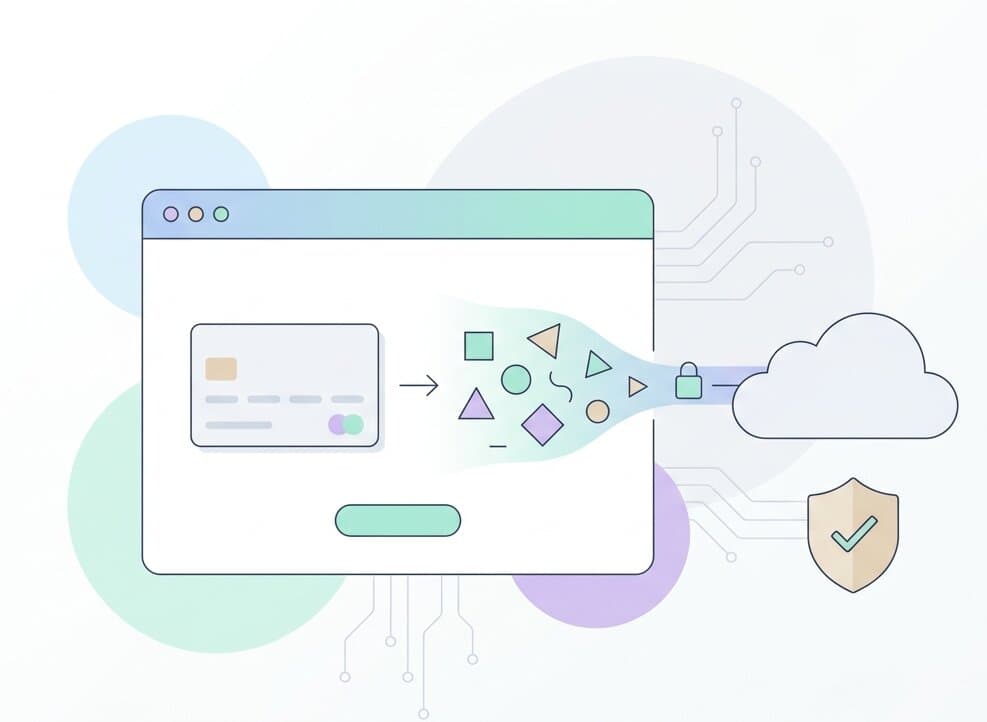
PCI DSS compliance means protecting cardholder data through secure systems, policies, and monitoring practices. Even early-stage startups processing online payments must follow PCI DSS compliance rules if they store, process, or transmit payment data.
Many founders think PCI compliance only applies to large enterprises. In reality, startups using checkout pages, subscription billing tools, or payment APIs may still fall under different PCI DSS compliance levels. The required controls depend on transaction volume, payment architecture, and PCI DSS reporting level requirements.
Startups also confuse SAQ PCI self-assessment forms with complete compliance. Filling an SAQ alone does not guarantee security if backend systems, APIs, or cloud configurations remain exposed.
Why Do Founders Usually Miss PCI DSS Scope Identification?
Most compliance failures begin with incorrect scope identification. Founders often underestimate how many systems interact with payment data directly or indirectly.
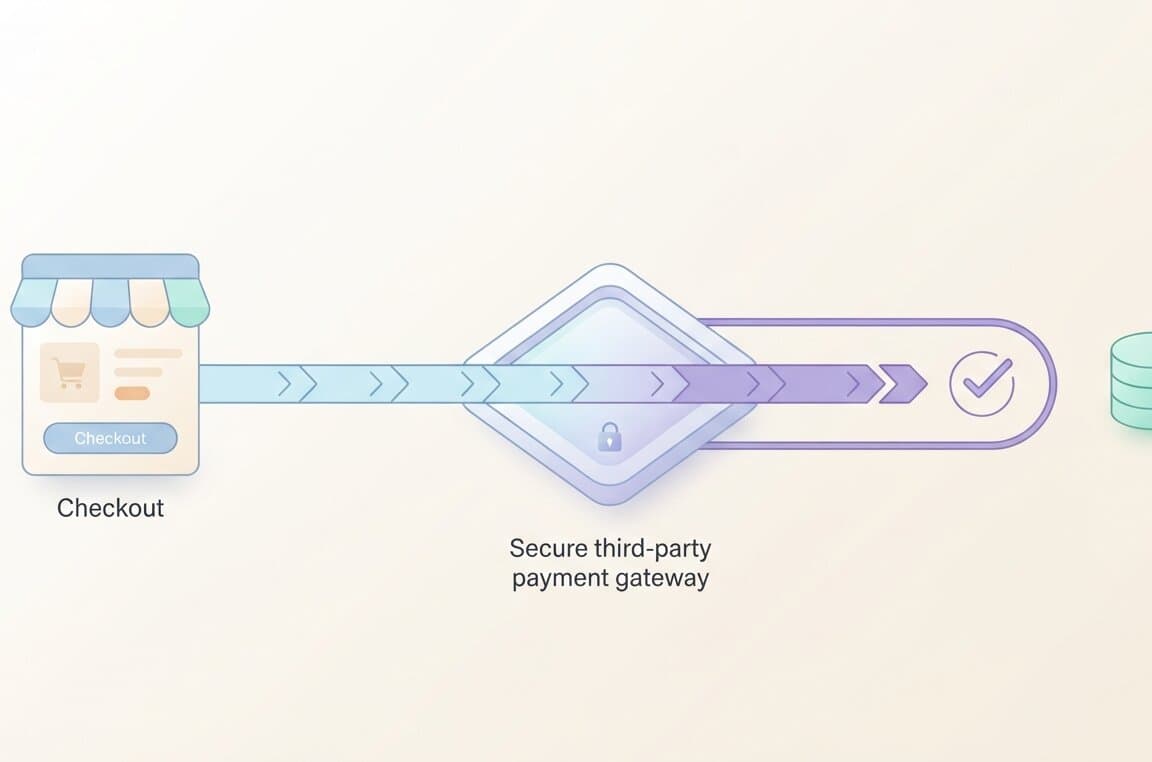
A startup may believe its third-party processor removes all responsibility. However, payment pages, customer support tools, mobile apps, analytics integrations, and cloud logs can still bring systems into PCI DSS audit scope. Even a simple pci dss api integration may create additional compliance obligations.
This is where a PCI QSA or pci qualified security assessor becomes valuable. Experienced PCI DSS QSA companies help startups identify hidden risks before a pci compliance audit begins. Early scoping also helps reduce PCI compliance audit costs by limiting unnecessary systems within the assessment boundary.
How Do PCI DSS Levels Affect Startup Compliance Requirements?
PCI DSS levels determine the validation process a company must follow. The level depends mainly on annual card transaction volume and payment environment complexity.
Smaller startups often fall into PCI Level 2 compliance or lower tiers and may qualify for simplified saq a level pci compliance requirements. However, qualification depends on using fully outsourced payment pages without handling card data internally.
Businesses using custom checkout flows, recurring billing platforms, or stored payment tokens may face stricter PCI DSS SAQ levels. Founders should understand their pci compliance levels early because changing payment architecture later can significantly increase audit complexity and remediation effort.
Why Are Startups Struggling With API and Cloud Security Controls?
Modern startups rely heavily on APIs, cloud infrastructure, and SaaS integrations. These environments create security gaps when teams prioritise speed over controlled deployment practices.
Weak authentication, exposed secrets, unrestricted admin access, and poor logging frequently appear during a PCI DSS assessment. PCI dss api environments require strong access control, encryption, and monitoring practices even when cloud providers manage the infrastructure.
Wireless environments also create overlooked exposure points.
Wireless PCI compliance requirements apply when internal Wi-Fi networks connect to systems involved in payment processing. Founders should ensure segmentation between corporate devices and payment environments to reduce risk.
Automated PCI compliance tools can simplify monitoring, but automation alone cannot replace proper security governance and documentation.
What Security Testing Requirements Do Startups Commonly Ignore?
Many startups focus on application development while ignoring mandatory testing requirements. Security validation is one of the most overlooked areas before a PCI DSS audit.
External vulnerability scans from approved PCI ASV vendors are required for many businesses. These scans, often called asv pci compliance checks, identify publicly exposed vulnerabilities in internet-facing systems. Some founders search for a free ASV scan option but later discover official compliance validation requires approved ASV scanning vendors.
Penetration testing, access reviews, and log monitoring are also critical. Businesses implementing PCI P2PE or PCI-validated P2PE solutions may reduce exposure, but testing obligations still remain. Ignoring these requirements can delay certification timelines and increase remediation work significantly.
Why Do Documentation and Policies Matter So Much During Audits?
Auditors do not only evaluate technology. They also verify whether security practices are formally documented, maintained, and consistently followed.
Startups often lack written access policies, incident response plans, vendor management processes, or employee security training records. During a PCI Compliance Audit, missing documentation can create the impression that controls are inconsistent or unreliable.
Companies building payment applications should also review PCI SSF and PCI SSF requirements if they develop software products handling payment functionality. Similarly, businesses supporting authentication workflows may need to consider PCI 3DS or PCI 3DS compliance requirements depending on their payment ecosystem.
Strong documentation also helps startups align future compliance goals with frameworks like SOC 2, ISO 27001, and GDPR as the business grows.
How Can Startups Build a Smarter PCI DSS Compliance Checklist?
The best compliance checklist focuses on reducing risk while keeping operations manageable. Founders should begin with payment flow mapping and clear system scoping.
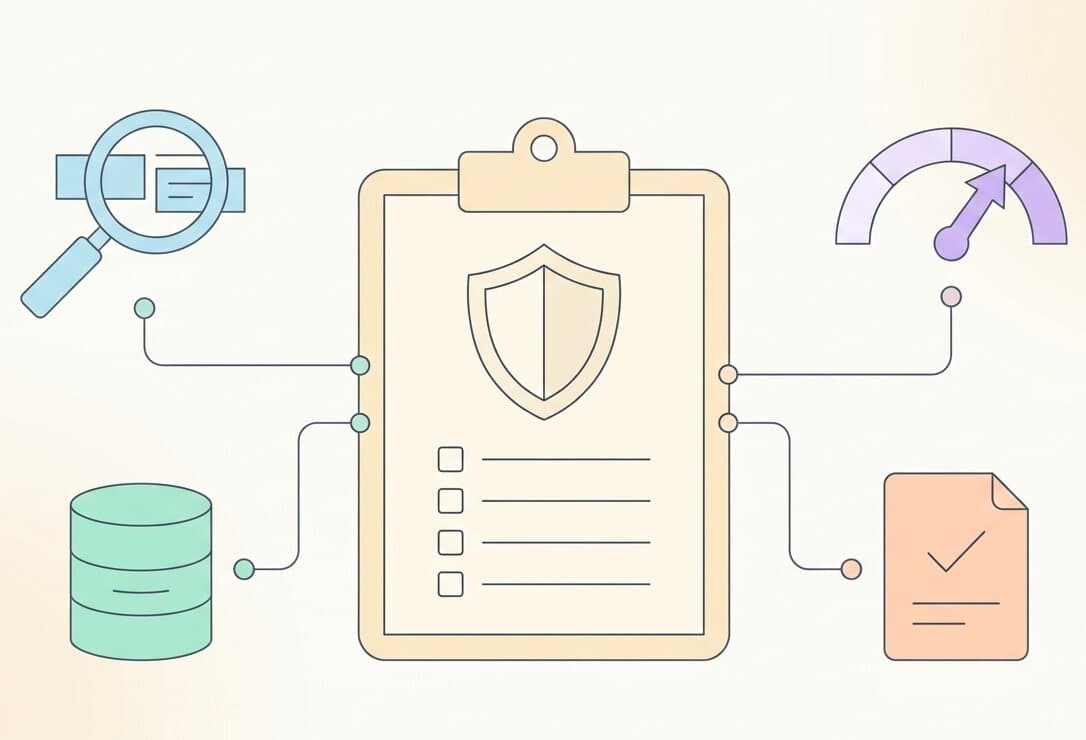
A practical checklist should include:
Identifying all systems connected to payment data
Reviewing PCI DSS levels and reporting obligations
Securing APIs, cloud infrastructure, and wireless networks
Completing required ASV scans and testing
Maintaining policies, logs, and employee training
Evaluating PCI QSA support when preparing for audits
Startups should also consider using a PCI compliance website checker or an automated PCI compliance platform for continuous visibility. However, expert review remains important because automated tools cannot fully interpret business-specific risks or audit expectations.
Is Your Startup Ready for PCI DSS Compliance?
PCI compliance becomes far more difficult when security is treated as an afterthought. Startups that build secure payment practices early reduce audit stress, customer concerns, and operational disruption later.
A clear compliance checklist helps founders understand where risks exist, which controls matter most, and how to scale payment security confidently as the business grows. If your startup is unsure about PCI DSS compliance levels, SAQ requirements, ASV scanning, or payment security scope, Accorp Partners can help you simplify the process.
Our PCI DSS specialists support startups with practical guidance, audit readiness, and scalable compliance strategies designed for fast-growing businesses. Connect with Accorp Partners to strengthen your payment security foundation before compliance gaps slow down your growth.
For more details, visit our PCI Compliance page.