.svg)
.svg)
.svg)
PCI DSS Compliance for Digital Wallets: Tokenized Wallet Compliance
Understand how Apple Pay and Google Pay tokenization affects PCI DSS scope, audits, compliance requirements, and merchant responsibilities.

Accorp Compliance Team
Our team of compliance experts specializes in PCI DSS, SOC 2, and other security frameworks to help businesses achieve and maintain compliance.
When a customer taps their phone at checkout instead of swiping a card, most merchants breathe a sigh of relief — one less thing to worry about on the compliance side, right? Not quite. As a Qualified Security Assessor, I get asked this question in almost every audit now: “We accept Apple Pay and Google Pay, so we’re basically out of PCI scope, aren’t we?” The honest answer is: partly, and only if the integration is built correctly. Digital wallets change where risk sits in the payment chain, but they don’t erase the need for a proper PCI DSS compliance audit.
This article breaks down how wallet tokenization actually works, where PCI DSS still applies, and what your organization needs to prove during a PCI DSS audit — written from the perspective of someone who reviews these environments for a living, not from a marketing brochure.
How Apple Pay and Google Pay Tokenisation Actually Works
Both Apple Pay and Google Pay rely on the EMV Payment Tokenisation framework, but they implement it slightly differently, and this distinction matters more than most merchants realise.
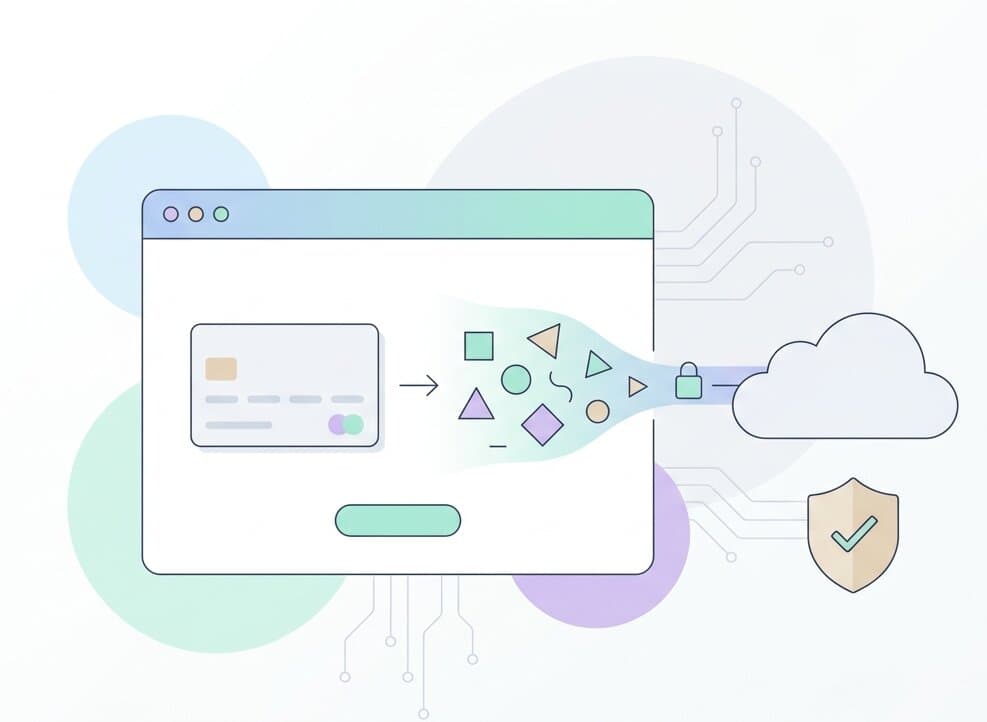
Apple Pay uses a device-bound token called a Device Primary Account Number (DPAN). When a cardholder adds a card to their iPhone or Apple Watch, the card network (Visa, Mastercard, etc.) generates a DPAN that lives inside the device’s Secure Element — a tamper-resistant chip isolated from the rest of the phone’s operating system. The real card number (FPAN) never leaves the card network’s tokenisation vault. Each transaction is further protected by a dynamic cryptogram, so even the DPAN is useless if intercepted and replayed.
Google Pay takes a slightly more flexible approach. Depending on the device and integration, it can use a hardware-backed Secure Element, a software-based Host Card Emulation (HCE) model, or cloud-based tokens delivered through Google’s own encrypted payload format (commonly referred to as ECv2). Merchants integrating Google Pay directly — rather than through a payment gateway — may receive an encrypted Payment Method Token that must be decrypted and verified against Google’s signing keys before it’s usable.
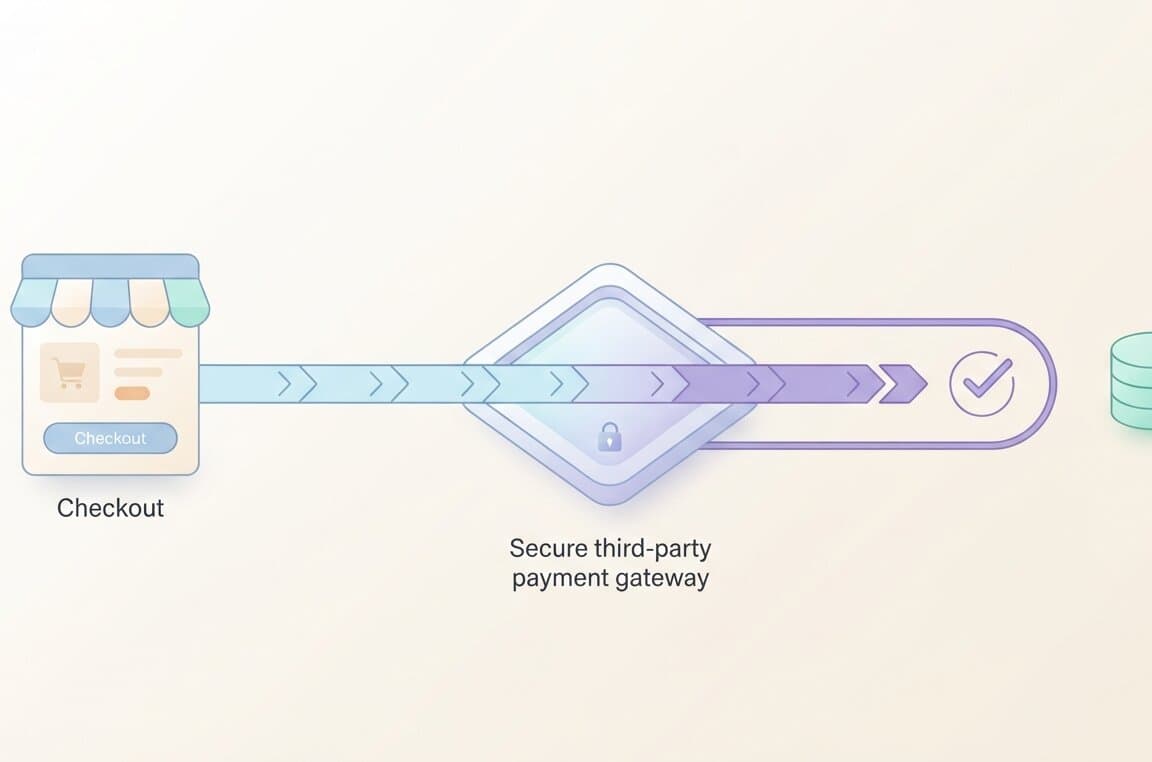
The practical upshot for a PCI compliance audit: if your systems never touch the FPAN, and the token you receive is cryptographically bound to a specific device and merchant, your cardholder data environment (CDE) is materially smaller. If your systems do decrypt wallet tokens down to an FPAN or DPAN at any point — even briefly, even in memory — that decryption environment falls squarely inside PCI DSS scope.
Where PCI DSS Still Applies Even with Tokenised Wallets
This is the part that catches a lot of merchants off guard during their first PCI DSS QSA audit after adopting digital wallets.
● The point of token receipt and decryption. If your servers ever handle a decrypted token, PAN, or cryptogram — even transiently — that system component is in scope for PCI DSS Requirement 3 (protection of stored account data) and Requirement 4 (encryption of data in transit).
● Your payment page and script integrity. PCI DSS 4.0.1 introduced stricter requirements (6.4.3 and 11.6.1) around monitoring and controlling scripts loaded on payment pages. Even if the wallet button itself is secure, a compromised or unauthorized third-party script sitting on the same checkout page can still be used to skim data or manipulate the payment flow. Auditors are now specifically testing for unauthorised script changes and unexpected HTTP header/content changes on payment pages.
● Multi-factor authentication for CDE access. PCI DSS 4.unauthorised0.1 made MFA mandatory for all access into the cardholder data environment, not just remote access. If your support or engineering staff can access logs, token vaults, or payment processing dashboards, MFA enforcement will be tested and documented as part of your PCI DSS audit.
● Vendor and TPSP due diligence. Most merchants don’t build their own wallet integration from scratch — they rely on a payment gateway, processor, or tokenization service provider. Under Requirement 12.8 and 12.9, you’re still responsible for confirming that any third-party service provider (TPSP) handling tokenized data maintains its own valid PCI DSS certification and has formally acknowledged its security responsibilities in writing.
● Refunds, reversals, and reconciliation systems. This is one auditors flag constantly. Wallet transactions are tokenized at the point of sale, but back-office systems handling chargebacks, refunds, or reconciliation sometimes still reference the underlying PAN through the processor’s dashboard or exported reports. If your finance team can pull a report containing full PANs, that reporting environment is in scope — regardless of how secure your checkout flow is.
Scope Reduction: The Real Benefit of Wallet Tokenization
Done correctly, tokenization is still the single most effective scope-reduction strategy available to merchants today. When implemented properly:
● Card data never touches your application servers, which can shrink your Self-Assessment Questionnaire from hundreds of controls down to a fraction of that.
● Your exposure to a data breach involving raw PANs drops substantially, since tokens are useless outside the specific device-merchant pairing they were issued for.
● Your annual PCI DSS QSA audit becomes faster and less expensive, because there are fewer systems, network segments, and personnel to test.
But scope reduction isn’t automatic just because a wallet button exists on your checkout page. It has to be validated. This is exactly why engaging an experienced PCI Qualified Security Assessor early — ideally during the design phase of your wallet integration, not after go-live — saves organizations significant rework later.
Preparing for a PCI DSS Audit with Digital Wallets in Your Payment Stack
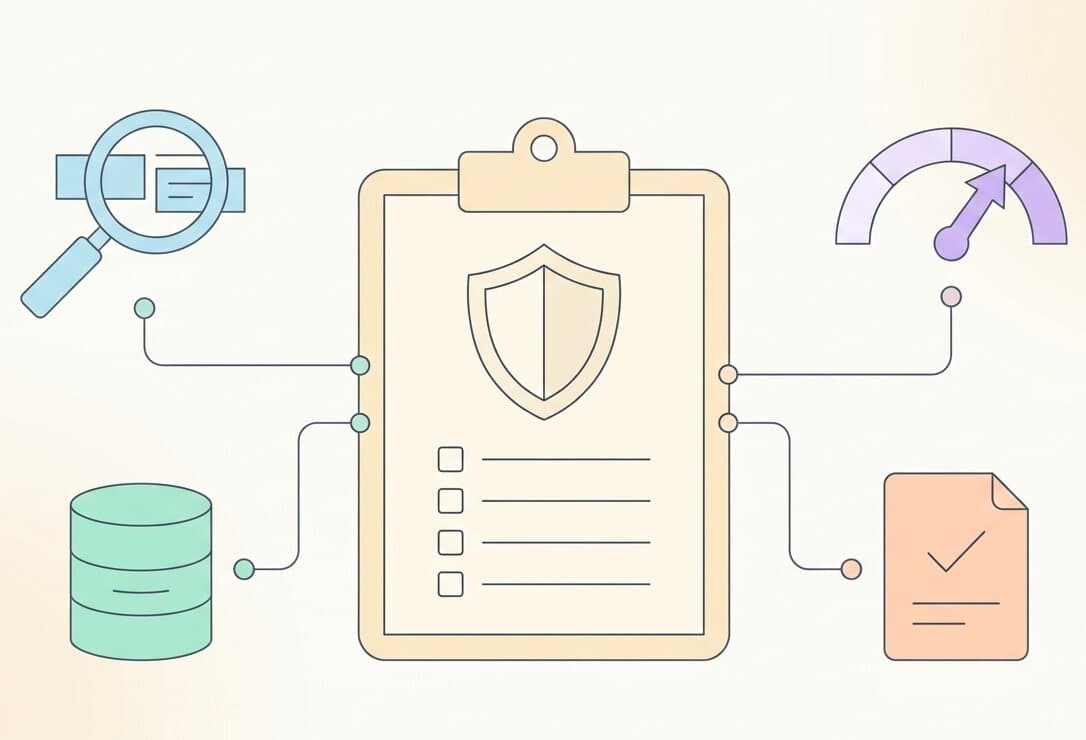
Here’s what a thorough PCI certified assessor will typically want to see documented before signing off:
● A current data flow diagram showing exactly where wallet tokens enter your environment, where they’re processed, and where (if anywhere) they’re decrypted.
● Evidence of network segmentation isolating any token-handling systems from the rest of your corporate network.
● Signed attestations from all relevant TPSPs, confirming their own PCI DSS compliance status and outlining which controls they own versus which remain your responsibility.
● Change management logs for your payment page, showing script inventory and integrity monitoring in line with Requirement 6.4.3.
● MFA configuration evidence for every account with CDE access, including third-party support accounts.
● Incident response documentation that specifically addresses a scenario involving compromised tokens or a breached TPSP, not just a generic breach playbook.
Organisations that walk into their PCI DSS audit with this evidence already organised tend to move through the assessment considerably faster than those that assume “we use Apple Pay” is a compliance answer in itself.
Choosing the Right PCI QSA Services Partner
Not every PCI QSA services provider has deep hands-on experience with tokenized wallet architectures — a lot of assessors are still more comfortable auditing traditional card-present or e-commerce PAN flows. When evaluating PCI DSS QSA companies for a wallet-heavy environment, it’s worth asking directly:
● Have they audited environments using Apple Pay’s Secure Element model and Google Pay’s HCE/cloud token model specifically, not just tokenisation in general?
● Can they clearly explain how they’ll scope decryption points, if any exist in your architecture?
● Do they have a defined approach for assessing TPSP responsibility matrices under Requirement 12.8/12.9?
● Will they review your payment page script inventory as part of the engagement, given how central this has become under PCI DSS 4.0.1?
A PCI QSA audit isn’t just a checklist exercise — it’s a conversation about how data actually moves through your systems, and a good assessor should be able to have that conversation in specific, technical terms rather than generic ones.
The Bottom Line
Apple Pay and Google Pay genuinely reduce your PCI DSS exposure when implemented correctly, but they don’t remove your obligation to demonstrate compliance. The scope shrinks; it doesn’t disappear. Every decryption point, every third-party integration, and every back-office system that can still surface a PAN needs to be accounted for and tested.
If your organization is preparing for its next PCI compliance audit and wants an assessment from a team that actually understands tokenized wallet architectures — not just generic card-data flows — Accorp’s PCI certified assessors can walk through your specific integration, identify where your real scope boundaries sit, and help you get audit-ready without unnecessary rework.
Need a PCI DSS QSA audit that actually understands digital wallets? Reach out to Accorp’s compliance team to scope your assessment.