.svg)
.svg)
.svg)
Vendor & Third-Party Risk Under CPRA: What Your Contracts Must Include
Learn the essential contract terms vendors must follow to support a strong ccpa compliant privacy policy and meet CPRA third-party risk rules.

Accorp Compliance Team
Our team of compliance experts specializes in PCI DSS, SOC 2, and other security frameworks to help businesses achieve and maintain compliance.
One of the biggest shifts under the CPRA is the spotlight on third-party risk. It’s not enough to secure your own systems — you’re now responsible for how your vendors, contractors, and service providers handle consumer data. Weak contracts can lead to fines, breaches, and reputational damage — making solid contracts vital for CCPA compliance.
Whether you're working on a CCPA compliance checklist or revising your CCPA-compliant privacy policy, here’s what your vendor contracts must include under CPRA.
1. Define the Relationship Clearly
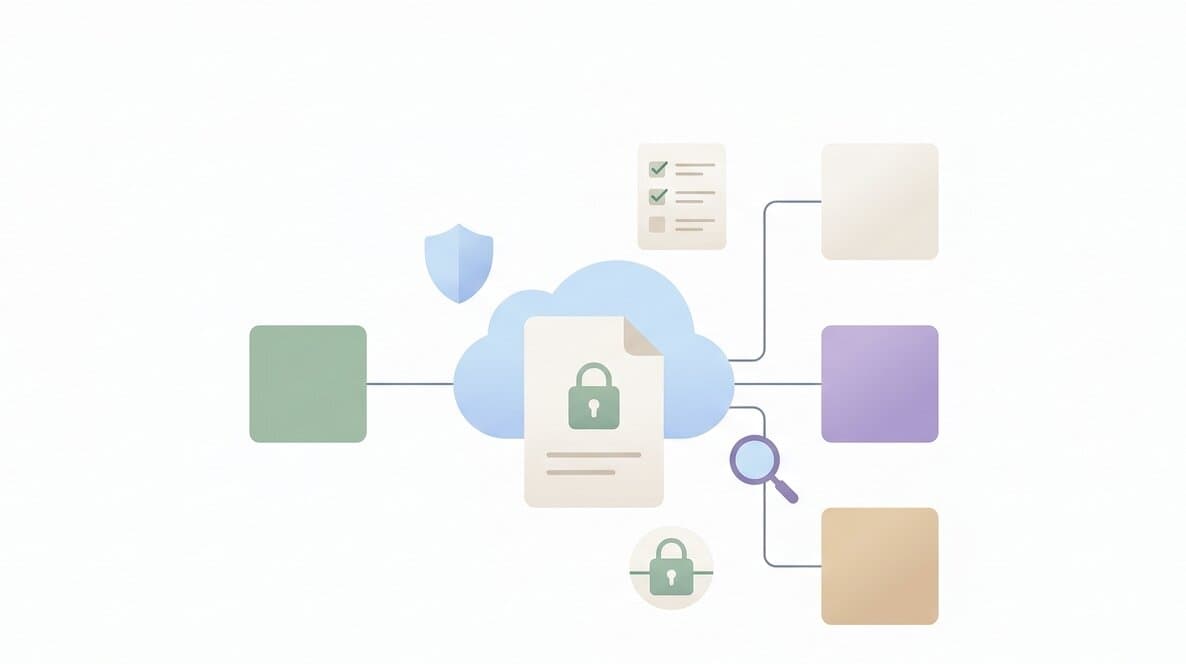
CPRA distinguishes between third parties, service providers, and contractors, and each has different legal obligations. Contracts must clearly define these relationships, especially when building your CPRA vs CCPA strategy or updating CCPA data compliance processes.
2. Limit Data Use and Sharing
Vendors are prohibited from using consumer data for their own benefit. Contracts must restrict data usage strictly to the agreed business purposes and prevent any unsanctioned selling or sharing — a critical step in any CCPA compliance privacy policy or CCPA readiness assessment.
3. Require Data Retention and Deletion
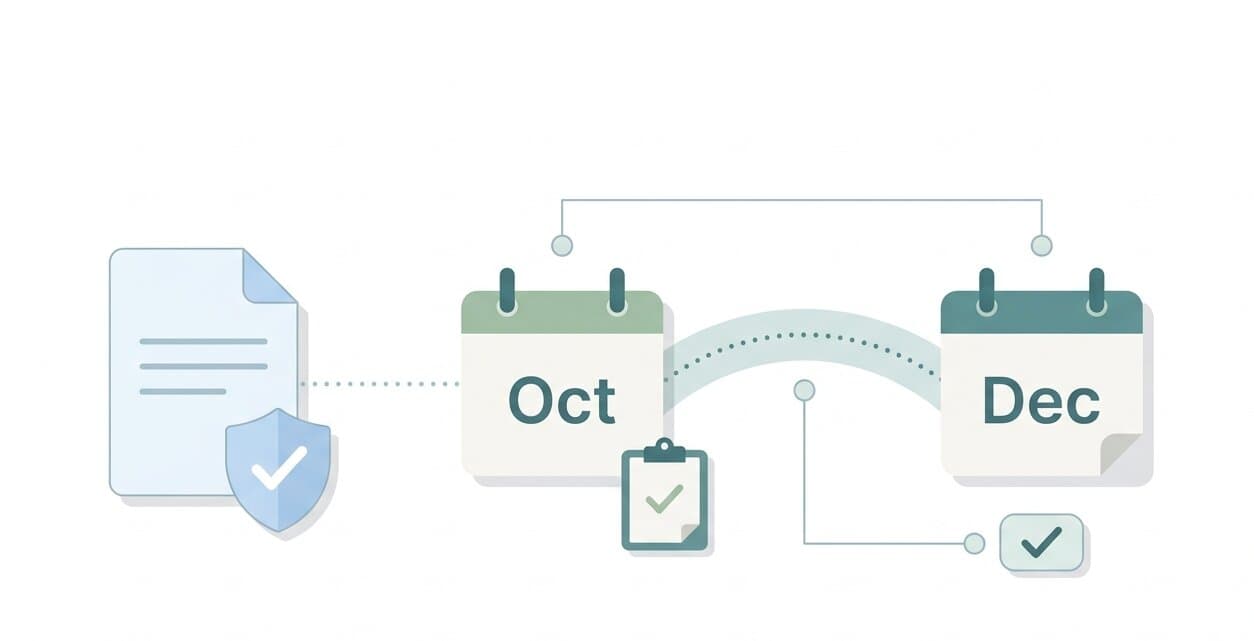
Vendors must follow your data retention requirements and securely delete personal information when no longer needed. This aligns with CRPA compliance and helps ensure accurate CRPA data mapping across your data lifecycle.
4. Include Audit and Oversight Clauses
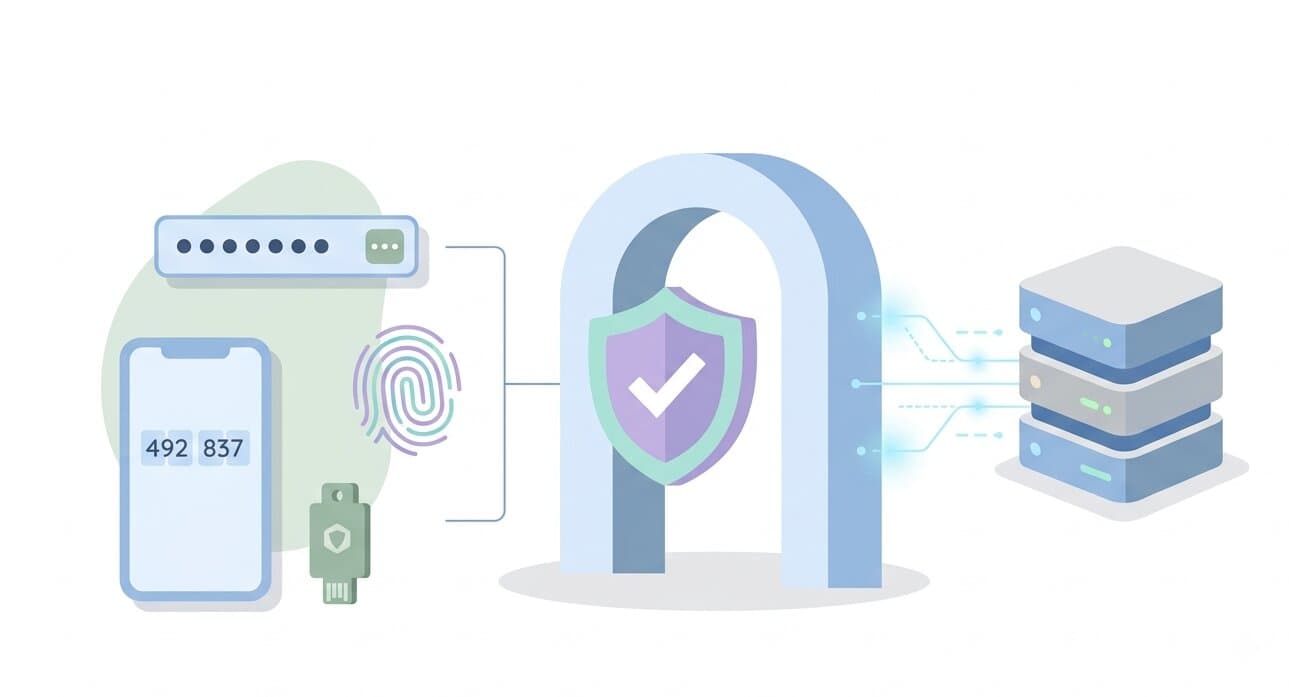
You must retain the right to assess vendor compliance. Contracts should include audit rights, monitoring clauses, and breach notification timelines. This is a key component of managing third-party risk under compliance with CCPA.
5. Flow-Down Obligations
If your vendors use subcontractors, the same CPRA rules must extend (“flow down”) to them. This ensures full-spectrum CCPA compliance across your supply chain and protects your position during regulatory inspections or partner audits.
Conclusion
Vendor compliance is no longer optional. The CPRA makes businesses accountable for their entire data ecosystem, end-to-end. Strengthening your contracts and vendor oversight processes not only keeps you compliant but reduces legal and operational risks — helping your organisation stay ahead with robust CCPA data compliance and smart CCPA readiness assessment planning.