.svg)
.svg)
.svg)
NIST SP 800-53: The Security Controls Backbone
NIST SP 800-53: The Security Controls Backbone for strong cybersecurity, supply chain security, and governance across modern risk environments.

Accorp Compliance Team
Our team of compliance experts specializes in PCI DSS, SOC 2, and other security frameworks to help businesses achieve and maintain compliance.
NIST SP 800-53 offers a comprehensive catalogue of both security and privacy controls, designed to help organisations develop and maintain a strong cybersecurity posture. Initially created for U.S. federal agencies, it has become widely adopted across private industries as well—especially among businesses building solutions around the NIST governance framework and cybersecurity governance framework.
As cyber risks continue to grow and supply chains become more interlinked, organisations are increasingly using SP 800-53 as part of a holistic NIST supply chain cybersecurity and control strategy. These controls also serve as a building block for enterprises mapping security requirements to the NIST CSF framework.
Key Elements of SP 800-53
NIST SP 800-53 includes standardised controls that align with modern frameworks such as the NIST supply chain framework, NIST CSF supply chain, and the NIST supply chain risk management, giving organisations a way to secure not only internal systems but also third-party dependencies.
Here are some of its core control families:
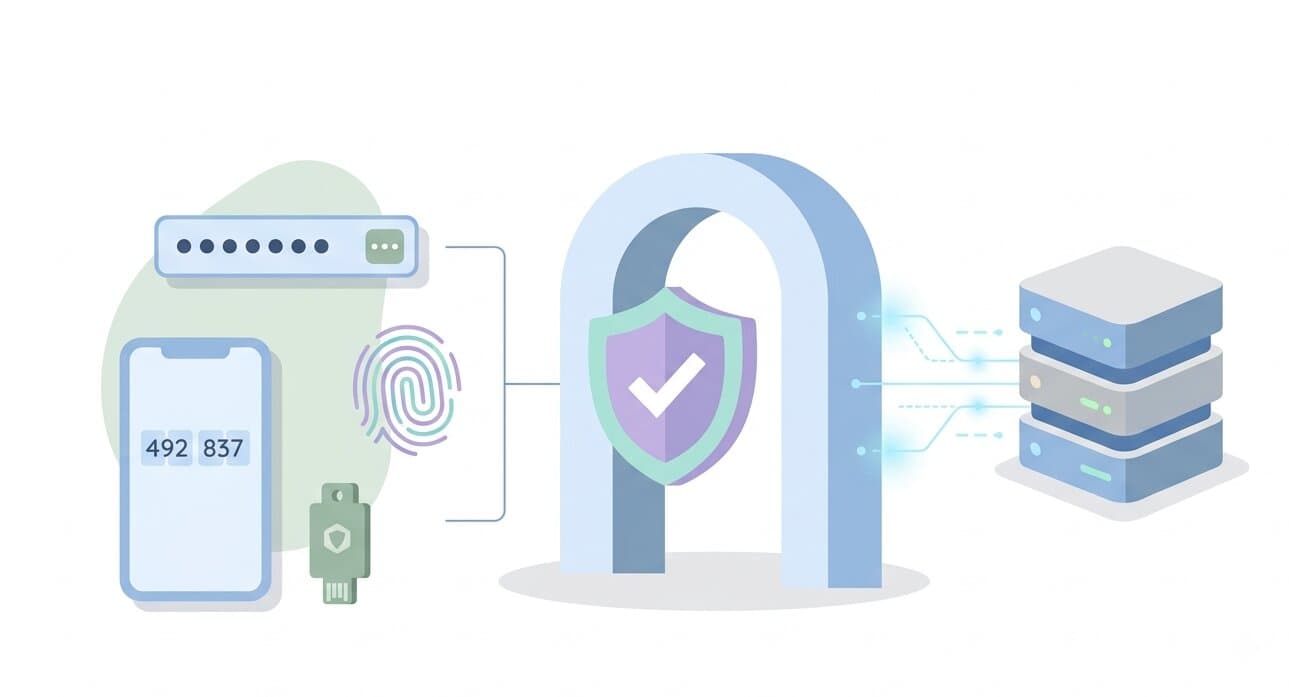
Identity & Access Management – Controlling authorised access to data and systems.
Security Assessment and Authorisation – Regular review and validation of security controls.
Incident Response – Detecting, responding to, and recovering from cybersecurity incidents.
Supply Chain Risk Management – Ensuring vendors and third-party services meet defined security requirements, including NIST 800 53 supply chain risk management practices.
System and Communications Protection – Safeguarding data both in transit and at rest.
Why It Matters
Adopting NIST SP 800-53 empowers organisations to:
Fully align their cybersecurity efforts with the established NIST data governance framework practices.
Implement a repeatable set of controls that meet contractual, regulatory, and compliance standards.
Strengthen resilience against threats targeting the supply chain and internal systems.
Build trust with partners, government stakeholders, and customers by demonstrating a strong, control-based approach.
Whether you’re securing your own systems or managing third-party risk, SP 800-53 serves as a foundational component of any robust NIST CSF supply chain or cybersecurity governance framework.
Conclusion
NIST SP 800-53 is more than just a technical requirement—it's the backbone of modern cybersecurity. By offering a detailed blueprint of controls that align with frameworks like NIST CSF and supply chain risk models, it equips organisations to manage risk effectively, stay compliant, and build cyber-resilient infrastructures in an increasingly interconnected world.