.svg)
.svg)
.svg)
SOC 2 Compliance for Startups: A Practical Roadmap From an Auditor's Desk
Discover how startups can achieve SOC 2 compliance with a step-by-step guide covering scope, audits, controls, and long-term security readiness.

Accorp Compliance Team
Our team of compliance experts specializes in PCI DSS, SOC 2, and other security frameworks to help businesses achieve and maintain compliance.
If you've ever sat across the table from a prospective enterprise customer and heard the words "can you send us your SOC 2 report?" — you already know why this topic matters. I've spent years on the audit side of this conversation, walking early-stage companies through their first SOC 2 audit, and I can tell you the biggest myth founders believe is that SOC 2 compliance is a paperwork exercise you rush through before a big deal closes. It isn't. Done right, it's a operating discipline that protects your company long after the auditor's report is signed.
This guide walks through what SOC 2 actually is, why startups benefit from pursuing it earlier than most expect, and a realistic, step-by-step path to get there — written the way I'd explain it to a founder in a kickoff call, not the way it reads in a textbook.
What Is SOC 2, Really?
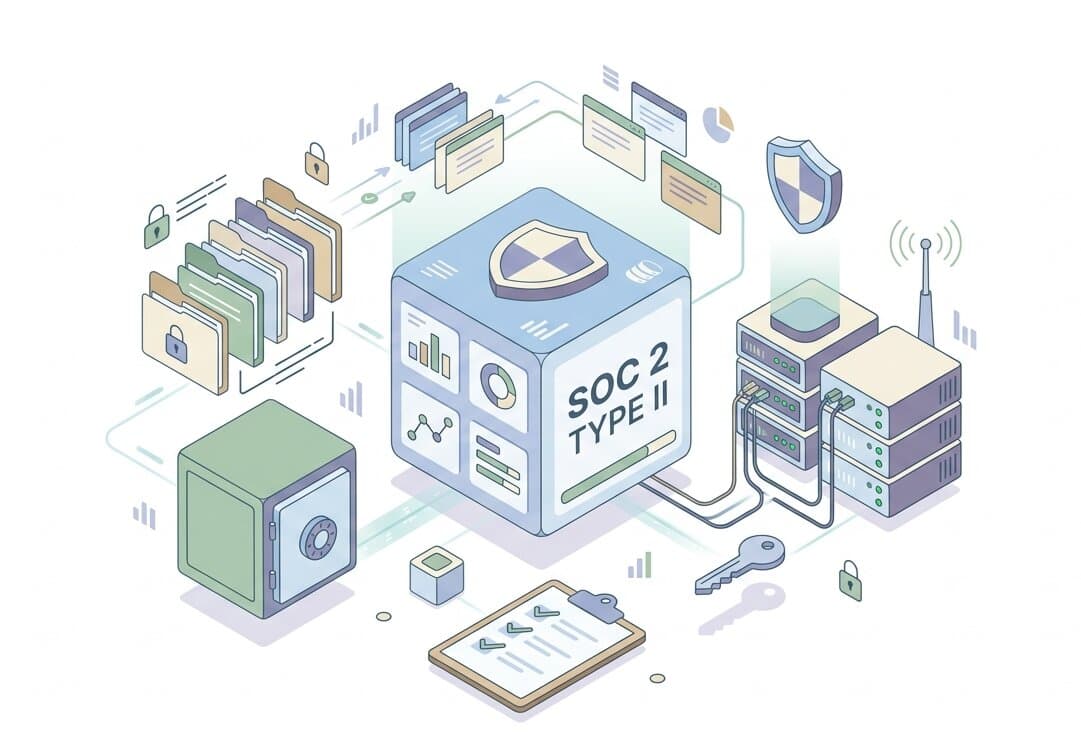
SOC 2 (System and Organization Controls 2) is a reporting framework developed by the American Institute of Certified Public Accountants (AICPA). It's not a certification you hang on your wall — it's an attestation. An independent CPA firm examines your company's controls and issues a report describing whether those controls are suitable and operating as designed.
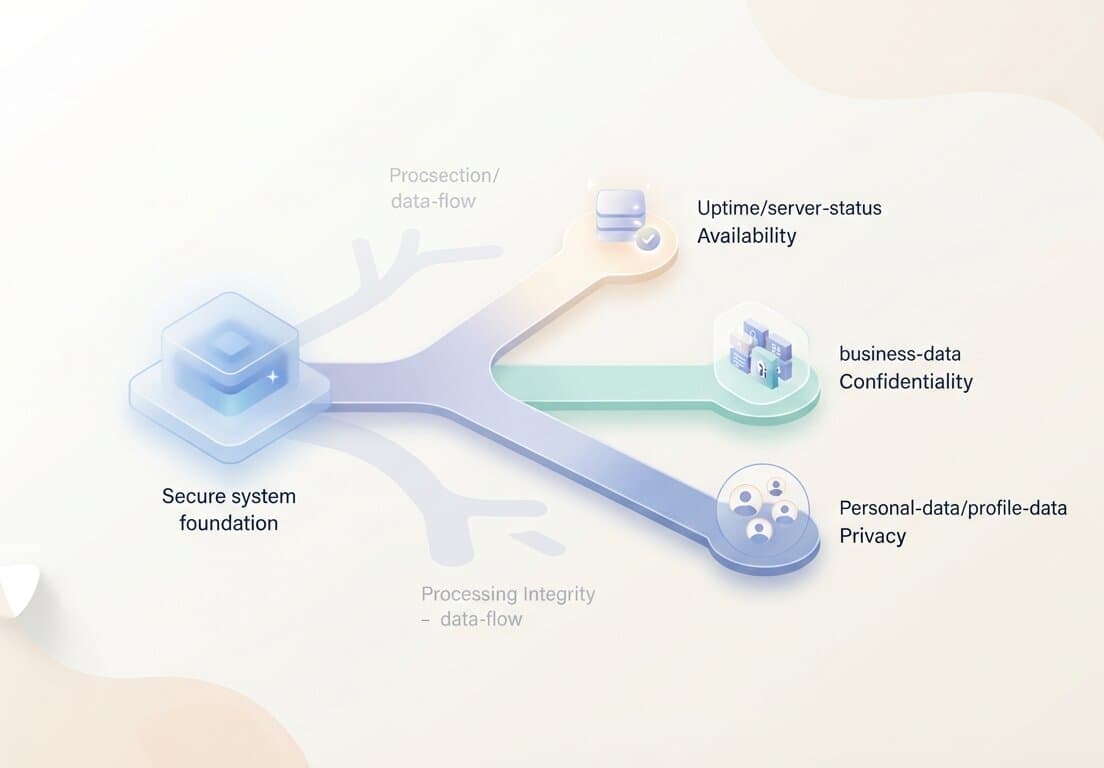
SOC 2 is built around five Trust Services Criteria:
Security – protection against unauthorized access (this one is mandatory for every SOC 2 report)
Availability – whether systems are up and usable when customers need them
Processing Integrity – whether data processing is accurate, complete, and timely
Confidentiality – how well sensitive business information is protected
Privacy – how personal data is collected, used, retained, and disposed of
Most startups scope their first SOC 2 audit to Security alone, sometimes adding Availability if uptime is core to the product. You don't need all five — you need the ones that actually reflect the risks your customers care about.
SOC 2 Type 1 vs. SOC 2 Type 2
This is the question I get asked most often, so let's settle it plainly.
A SOC 2 Type 1 report is a snapshot. It confirms that your controls were designed appropriately as of a single point in time. A SOC 2 Type 2 report is the harder, more valuable version — it evaluates whether those same controls actually operated effectively over an observation window, typically three to twelve months.
From an auditor's chair, here's the honest take: enterprise buyers increasingly expect a SOC 2 Type 2 report, not a Type 1. A Type 1 can be a useful stepping stone if you need something in hand quickly, but treat it as a waypoint, not the destination. Most of the deals I see stall aren't because a company lacks SOC 2 altogether — it's because they only have a Type 1 and the customer's security team wants evidence of sustained operation.
Why Startups Shouldn't Wait to Pursue SOC 2
Founders often assume compliance is something you deal with once you're "big enough." I'd push back on that. The earlier you build security discipline into your company, the cheaper and less disruptive it is to maintain.
A few reasons SOC 2 pays off earlier than expected:
It shortens your sales cycle. Mid-market and enterprise buyers routinely gate procurement behind a completed security questionnaire or a SOC 2 report. Having one ready means you skip weeks of back-and-forth with a customer's security team.
It forces good habits while your systems are still small. Retrofitting access controls, logging, and incident response into a five-year-old codebase with accumulated technical debt is far harder than building them in from day one.
It reduces real operational risk. A properly scoped SOC 2 program isn't just about passing an audit — it catches issues like unrotated credentials, missing offboarding steps, or unencrypted data stores before they become breaches.
It builds internal trust and investor confidence. Boards and investors increasingly ask about security posture during diligence. A SOC 2 report — even a Type 1 — signals operational maturity beyond your headcount.
A Realistic Path to SOC 2 Certification
There's no single template that fits every company, but the sequence below reflects how most successful SOC 2 audits actually unfold in practice.
Step 1: Define Your Scope
Before anything else, decide which systems, products, and Trust Services Criteria are in scope. A common mistake is scoping too broadly on the first attempt — including every internal tool and legacy system just because it exists. Keep your first audit tight: the production environment that touches customer data, plus the people and processes that support it.
Step 2: Run a Readiness (Gap) Assessment
This is where you compare your current state against the controls SOC 2 expects — things like access provisioning, change management, vendor risk reviews, encryption practices, and incident response procedures. Be honest here. I've seen readiness assessments get rubber-stamped by teams eager to move fast, only to have the same gaps resurface during fieldwork. A gap analysis is only useful if it's rigorous.
Step 3: Remediate the Gaps
Once you know where the holes are, fix them in order of risk, not order of ease. Security-related gaps (access management, logging, encryption) should come first since Security is the one mandatory criterion. Document every policy and control as you build it — auditors can't assess a control that only lives in someone's head.
Step 4: Formalize Policies and Assign Ownership
A written information security policy, access control policy, incident response plan, and vendor management policy are table stakes. Just as important: assign a named owner to each control. During an audit, "the engineering team handles that" is not an acceptable answer — auditors want a specific person accountable for each control's operation.
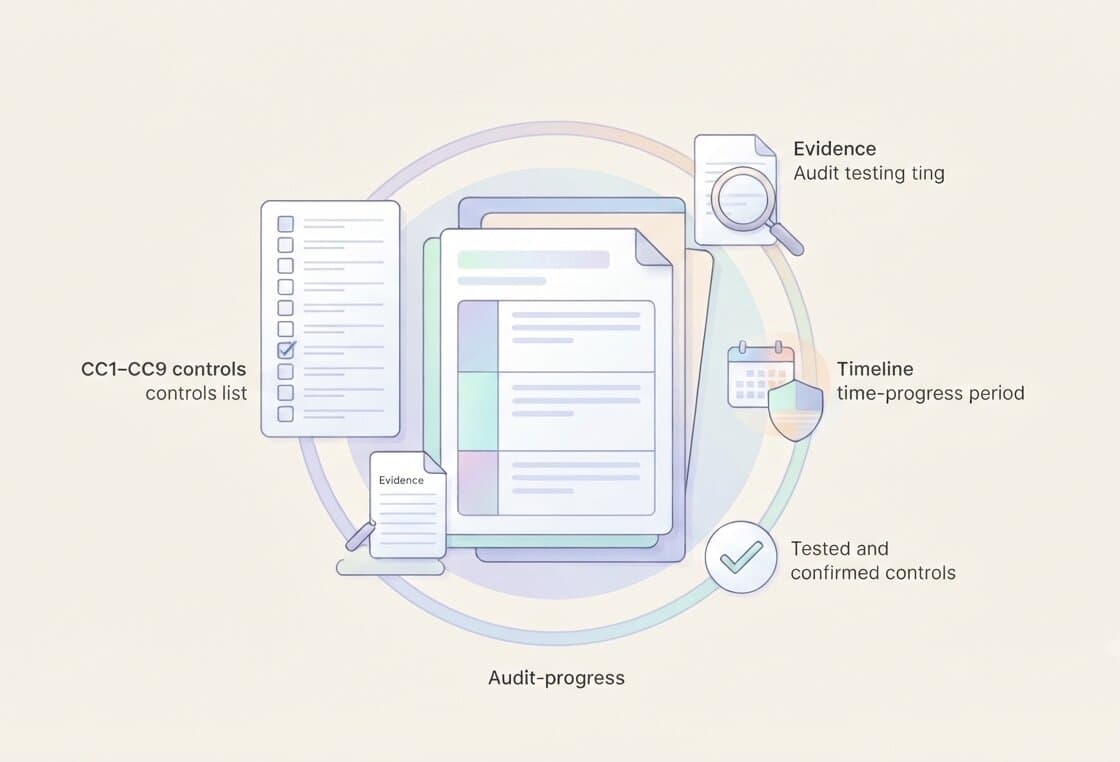
Step 5: Collect and Organize Evidence
For a Type 2 audit, you'll need evidence spanning the entire observation period — access review logs, onboarding/offboarding records, vulnerability scan results, backup test logs, and change tickets, among others. Spreadsheets and scattered email threads make this painful. Centralizing evidence in a single system (whether that's a dedicated compliance platform or a well-organized shared drive with strict version control) will save your team dozens of hours when the auditor requests samples.
Step 6: Choose Your Auditor and Schedule Fieldwork
You'll need a licensed CPA firm to perform the actual SOC 2 audit — this isn't optional, and it isn't something an internal team or a compliance vendor can substitute for. Look for a firm with genuine SOC 2 audit experience in your industry, clear communication about sampling and evidence requests, and a track record of guiding first-time companies through the process rather than just grading their homework. Schedule fieldwork with buffer room; rushing an audit almost always surfaces avoidable findings.
Step 7: Address Findings and Receive Your Report
Few companies pass with zero exceptions on their first SOC 2 report, and that's fine — auditors note exceptions, not failures, unless a control is fundamentally broken. Once fieldwork wraps, you'll receive your SOC 2 report, which you can then share under NDA with prospects and customers who request it.
Common Mistakes I See Startups Make
A few patterns show up again and again in first-time SOC 2 engagements:
Treating the audit as a one-time event. SOC 2 Type 2 compliance requires continuous operation of controls, not a scramble the week before fieldwork.
Skipping vendor risk management. Startups lean heavily on third-party tools, and auditors will ask how you assess the security posture of those vendors.
Underestimating access reviews. Quarterly access reviews sound simple until you realize nobody owns the process consistently.
Choosing scope based on marketing needs rather than actual risk. Scope should reflect where customer data actually lives, not what looks impressive on a website badge.
Maintaining SOC 2 Compliance After the Audit
Passing your first audit isn't the finish line. SOC 2 compliance is a maintained state — controls need continuous monitoring, access reviews need to happen on schedule, and your system description needs updating as your infrastructure evolves. Companies that treat their first SOC 2 report as "done" often find the next audit cycle harder, not easier, because controls drifted in the interim.
Build a recurring cadence: monthly control checks, quarterly access reviews, and an annual policy refresh. This turns your next SOC 2 audit into a light lift rather than a fire drill.
Final Thoughts
SOC 2 compliance isn't about chasing a badge — it's about building the operational muscle to handle customer data responsibly as you scale. Startups that start this work early, scope it sensibly, and treat evidence collection as an ongoing habit rather than a pre-audit scramble tend to sail through their SOC 2 audits with far fewer surprises. Whether you're pursuing a Type 1 report to unblock an early deal or working toward a full Type 2 attestation, the fundamentals are the same: know your controls, document them honestly, and keep the evidence current.
If your team is mapping out its first SOC 2 audit, Accorp can help you scope the engagement, close the gaps that matter most, and get audit-ready without the guesswork.