.svg)
.svg)
.svg)
Does Your Cloud Payment System Actually Meet PCI Standards?
Discover if your cloud payment system truly meets PCI standards. Learn compliance gaps, audit risks, and how to secure payments today.

Accorp Compliance Team
Our team of compliance experts specializes in PCI DSS, SOC 2, and other security frameworks to help businesses achieve and maintain compliance.
Cloud payment platforms make transactions faster and more scalable, but many businesses assume that using the cloud automatically means they are compliant. That assumption often creates hidden security gaps. Even when a cloud provider offers security controls, merchants are still responsible for protecting cardholder data and meeting PCI DSS requirements. Understanding where your responsibilities begin is critical before a PCI DSS audit exposes costly weaknesses.
Why Do Many Cloud Payment Systems Fail PCI Compliance?
Many cloud payment systems fail compliance because businesses misunderstand the shared responsibility model. A secure cloud environment does not automatically guarantee PCI compliance levels or proper cardholder data protection.
Companies often overlook access controls, insecure APIs, weak encryption, or outdated logging systems. In many PCI compliance audit cases, businesses also fail to document policies properly. Missing evidence can be just as damaging as missing security controls during a PCI Compliance Audit.
Another common issue is assuming third-party vendors handle everything. Even if a provider supports PCI DSS, your organisation is still accountable for secure configurations, monitoring, and compliance reporting.
What Does PCI DSS Actually Require From Cloud Environments?
PCI DSS requires cloud environments to secure cardholder data through encryption, access control, network monitoring, vulnerability management, and documented security policies. The standard applies to both on-premise and cloud-based systems.
Businesses must identify their PCI DSS reporting level and validate whether they fall under PCI Level 2 compliance or another category. The required controls depend on transaction volume and how payment data is processed.
Cloud-based payment systems must also follow wireless pci compliance requirements when Wi-Fi networks are involved. If APIs connect payment applications, pci dss api security controls become essential to prevent unauthorised access and data leaks.
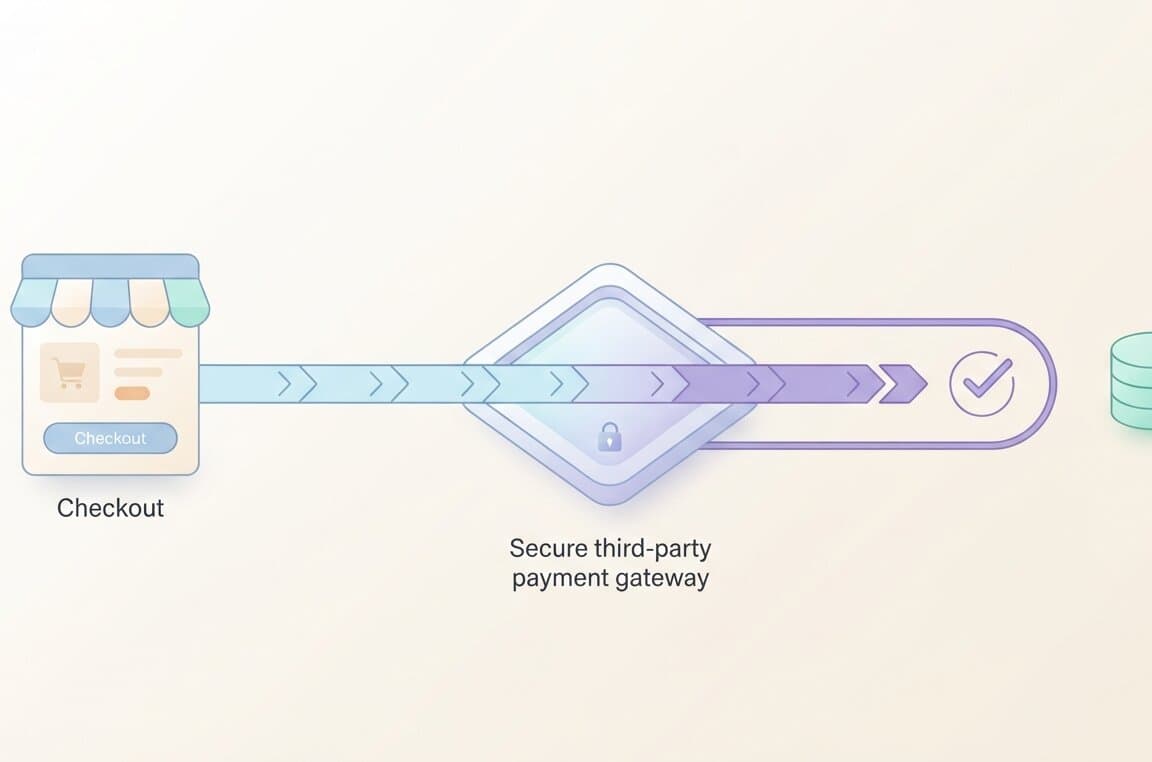
Organisations using payment forms or hosted checkout pages should also understand the SAQ level PCI compliance requirements and related PCI DSS SAQ levels before completing any SAQ PCI Self-Assessment Documentation.
How Can Businesses Verify Whether Their Cloud Setup Is Compliant?
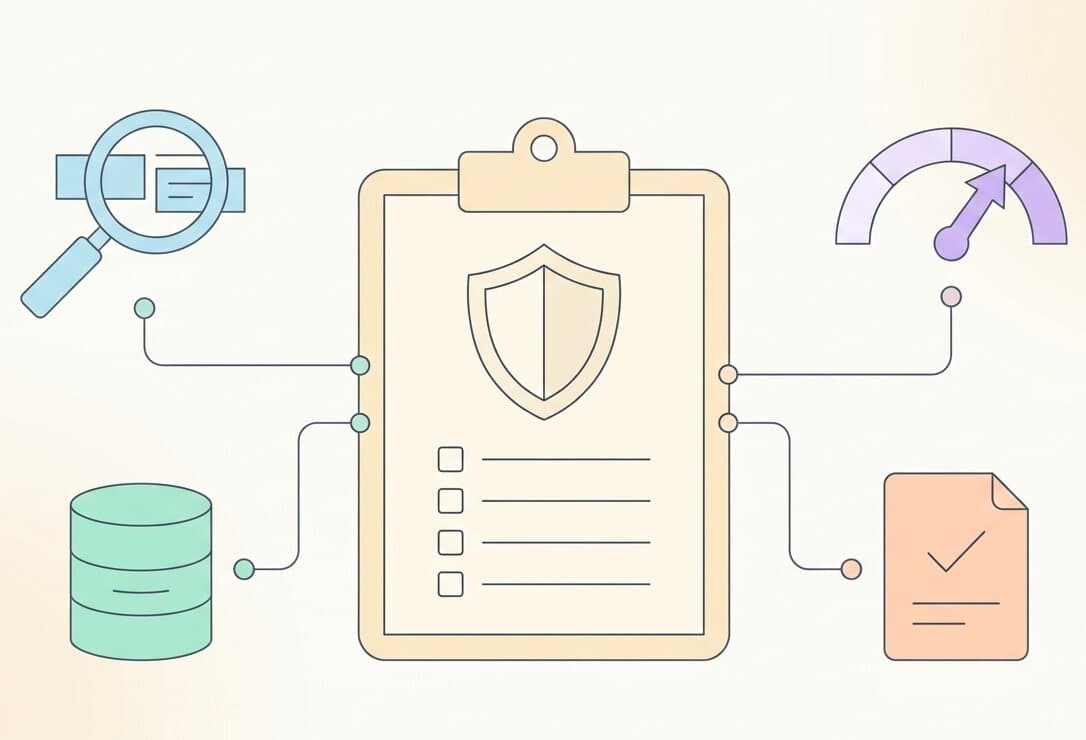
Businesses can verify compliance by conducting a gap assessment against official PCI DSS controls. This process identifies missing safeguards, misconfigured cloud assets, and areas that need remediation.
A PCI compliance website checker can help identify exposed vulnerabilities, but automated scans alone are not enough. True compliance requires ongoing governance, documentation, and monitoring.
Many organisations work with a pci qualified security assessor to evaluate cloud architecture and compliance readiness. A certified PCI assessor reviews evidence, validates controls, and prepares businesses for a PCI QSA audit.
Companies seeking enterprise-level validation often engage PCI DSS QSA companies that specialise in cloud payment ecosystems, tokenisation, and hybrid infrastructure security.
Why Are Automated PCI Compliance Tools Becoming Important?
Automated PCI compliance tools are becoming essential because cloud environments change constantly. Manual reviews cannot keep pace with dynamic workloads, temporary servers, and evolving attack surfaces.
Automated PCI compliance solutions continuously monitor configurations, user activity, and vulnerabilities across cloud assets. These tools also simplify evidence collection during a PCI DSS audit.
Businesses increasingly combine automation with PCI DSS audit services to reduce compliance fatigue and improve reporting accuracy. Automation also helps organisations maintain visibility between formal assessments instead of only preparing during audit season.
Some platforms integrate free ASV scan functionality and vulnerability testing directly into dashboards. This supports faster remediation and improves overall ASV PCI compliance management.
What Role Do ASV Scans And P2PE Play In Payment Security?
ASV scans help businesses identify internet-facing vulnerabilities before attackers exploit them. Approved ASV scanning vendors perform external scans required under PCI DSS compliance rules.
Working with trusted PCI ASV vendors helps businesses maintain visibility into exposed services and patching gaps. Companies should also understand PCI ASV pricing models because recurring scanning costs vary depending on infrastructure complexity.
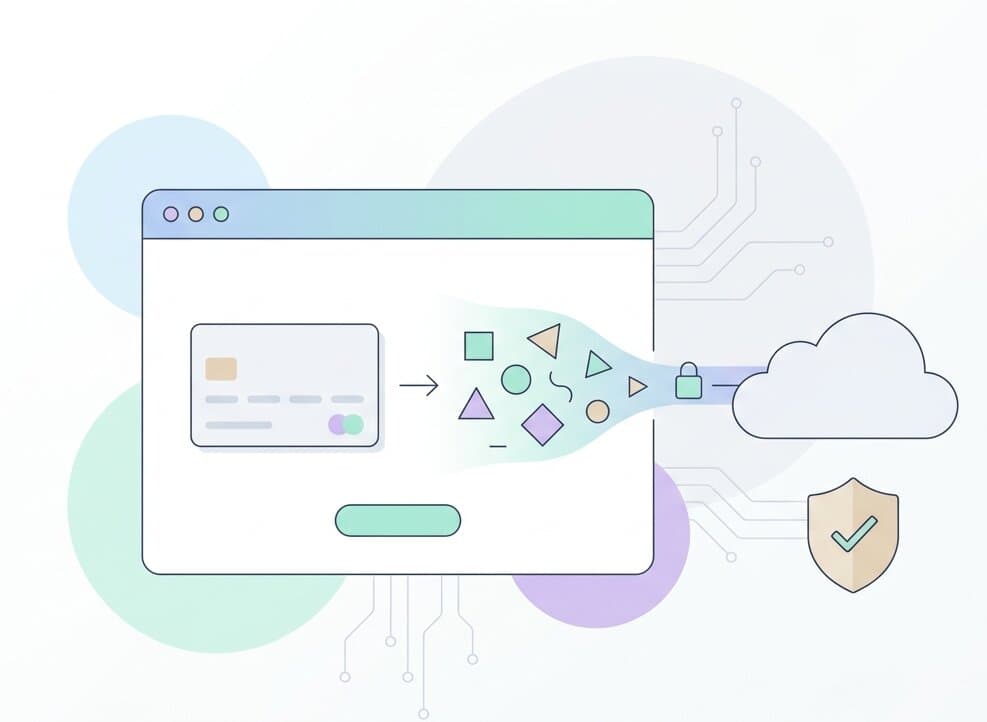
For payment protection, many organisations now implement PCI-validated P2PE solutions. PCI P2PE encrypts payment data immediately at the point of interaction, reducing exposure throughout the transaction lifecycle.
Businesses using PCI P2PE SAQ models may also simplify portions of their compliance obligations because encrypted payment environments reduce the scope of sensitive systems.
How Do PCI SSF And PCI 3DS Impact Modern Cloud Payments?
PCI SSF focuses on secure payment software development and lifecycle management. Cloud-native payment applications must align with pci ssf requirements to ensure software remains secure after deployment.
This framework is especially important for SaaS payment providers and fintech companies handling payment applications through APIs and distributed infrastructure. Secure coding, patch management, and authentication controls all fall under PCI SSF expectations.
Meanwhile, PCI 3DS improves authentication during online transactions. Businesses implementing PCI 3DS compliance can reduce fraud risks by adding stronger customer verification during payment processing.
Modern cloud payment systems increasingly combine PCI DSS, PCI 3DS, and PCI SSF controls with broader frameworks like SOC 2, ISO 27001, and GDPR to create a layered security and compliance strategy.
Why Should Businesses Work With A PCI QSA Before An Audit?
Working with a PCI QSA before an official audit helps businesses identify weaknesses early and avoid expensive remediation delays. A proactive assessment is far more effective than scrambling during a failed audit.
A PCI assessor certification ensures the assessor understands current compliance expectations, cloud infrastructure risks, and evolving payment security standards. Their expertise helps businesses align technical controls with documentation requirements.
Professional PCI QSA services also improve audit readiness by validating segmentation, encryption practices, access management, and incident response procedures. This reduces uncertainty and helps organisations confidently prepare for a PCI compliance audit cost discussion with stakeholders.
Is Your Business Ready For A PCI DSS Audit?
Cloud payment systems are only compliant when security controls, monitoring, and documentation align with real PCI DSS requirements. Simply hosting payments in the cloud does not eliminate your compliance responsibilities.
Businesses that continuously assess risk, automate monitoring, and validate controls through qualified experts are far more prepared for evolving payment security demands.
If your cloud payment environment feels complex or uncertain, Accorp Partners can help you simplify the process with expert PCI DSS and PCI Compliance Audit guidance. Our specialists identify hidden compliance gaps, strengthen cloud payment security, and prepare your business for successful audits without unnecessary delays. Connect with Accorp Partners today to turn compliance into a competitive advantage instead of a recurring risk.
For more details, visit our PCI Compliance page.