.svg)
.svg)
.svg)
Mobile Payments Are Growing - Is Your Security Growing Too?
Mobile payments are rising fast. Learn how PCI DSS and stronger payment security can protect your business from fraud and compliance risks.

Accorp Compliance Team
Our team of compliance experts specializes in PCI DSS, SOC 2, and other security frameworks to help businesses achieve and maintain compliance.
Mobile payments have become a normal part of everyday business. Customers now expect fast, contactless, and app-based transactions whether they shop online, in-store, or through digital wallets. While this shift improves convenience and sales opportunities, it also creates more security risks for businesses handling payment data.
Many companies focus heavily on growth but overlook payment security until a breach happens. Attackers target mobile payment ecosystems because they often involve APIs, wireless networks, third-party integrations, and multiple connected devices. Businesses that fail to strengthen their security strategy may face data loss, financial penalties, and failed PCI DSS assessments.
Why Are Mobile Payments Expanding So Quickly?
Mobile payments are growing because customers want faster and simpler checkout experiences. Businesses are also adopting digital payment systems to improve customer convenience and support remote purchasing trends.
Smartphones, QR payments, contactless cards, and digital wallets now dominate modern commerce. Industries such as retail, healthcare, hospitality, and e-commerce increasingly rely on mobile payment technology. This rapid adoption also increases the importance of meeting PCI compliance levels and understanding PCI DSS compliance levels for payment security.
As payment ecosystems become more connected, organisations must secure mobile apps, APIs, and wireless environments. Businesses handling payment data should understand PCI DSS reporting level requirements and maintain strong compliance controls before transaction volumes increase further.
Why Does Mobile Payment Growth Increase Security Risks?
Mobile payment growth creates more attack surfaces for cybercriminals. Every mobile app, API connection, and wireless transaction introduces additional security challenges.
Hackers often target weak authentication systems, unsecured Wi-Fi connections, and poorly protected payment applications. Businesses that ignore wireless PCI compliance requirements may unknowingly expose cardholder data to attackers. Companies using payment APIs should also monitor pci dss api security requirements to prevent unauthorised access.
Organisations without automated PCI compliance monitoring frequently struggle to identify vulnerabilities early. This is why many businesses now use PCI compliance website checker tools, free ASV scan solutions, and trusted PCI ASV vendors to continuously monitor their environments.
How Can Businesses Protect Mobile Payment Transactions?
Businesses can protect mobile payment transactions by combining encryption, authentication, compliance controls, and continuous monitoring. Security should be built into every stage of the payment process.
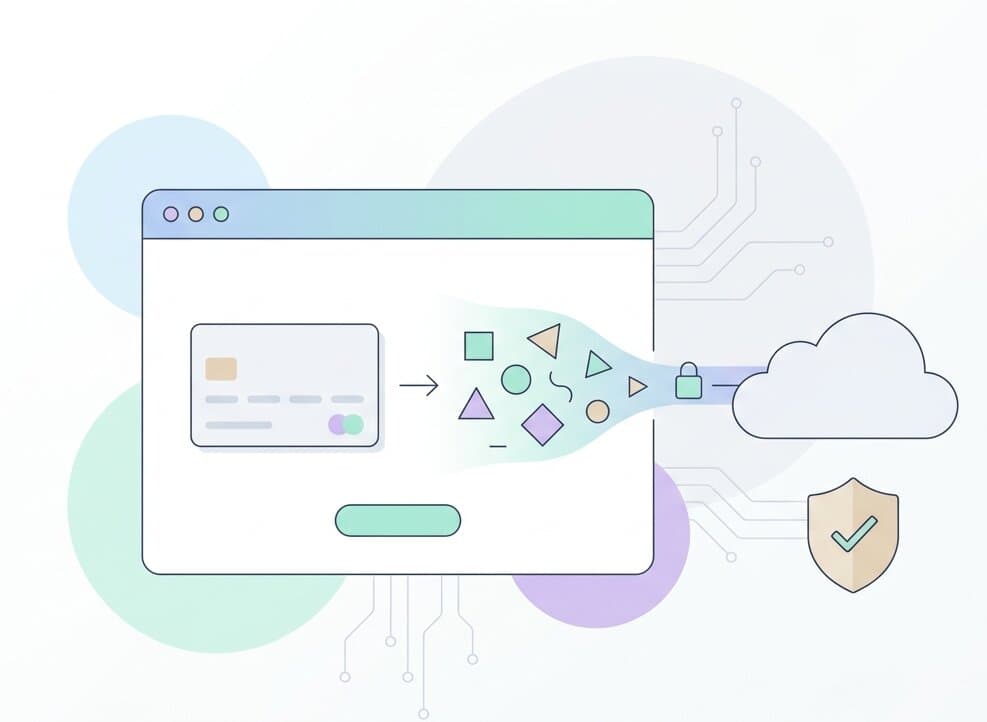
Implementing PCI P2PE technology is one of the most effective ways to secure payment data. PCI validated P2PE solutions encrypt cardholder information immediately during payment processing, reducing exposure risks. Companies using PCI P2PE SAQ programs may also simplify their compliance responsibilities.
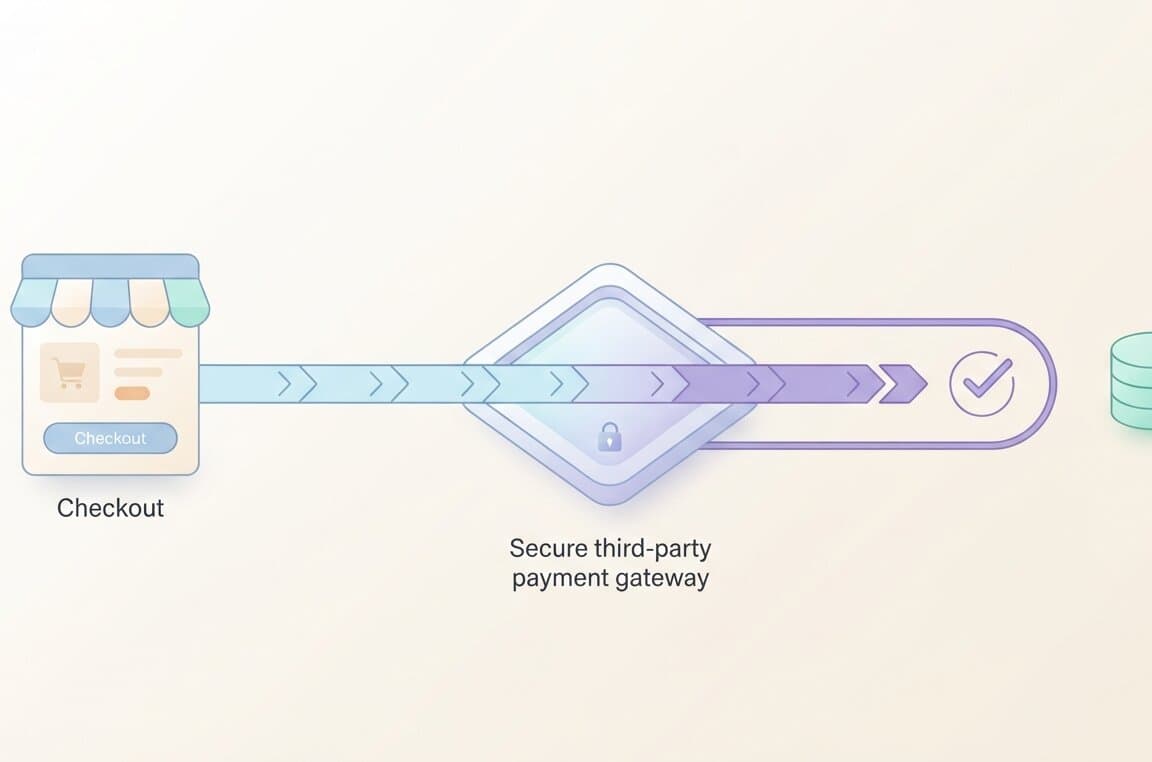
Businesses should also deploy multi-factor authentication, tokenisation, and secure payment gateways. Regular vulnerability scans from trusted ASV scanning vendors and proper PCI ASV management help organisations identify weaknesses before attackers exploit them.
Why Is A PCI Compliance Strategy Essential For Mobile Payments?
A strong PCI strategy helps businesses reduce payment security risks and maintain customer trust. Compliance frameworks provide structured security controls designed specifically for payment environments.
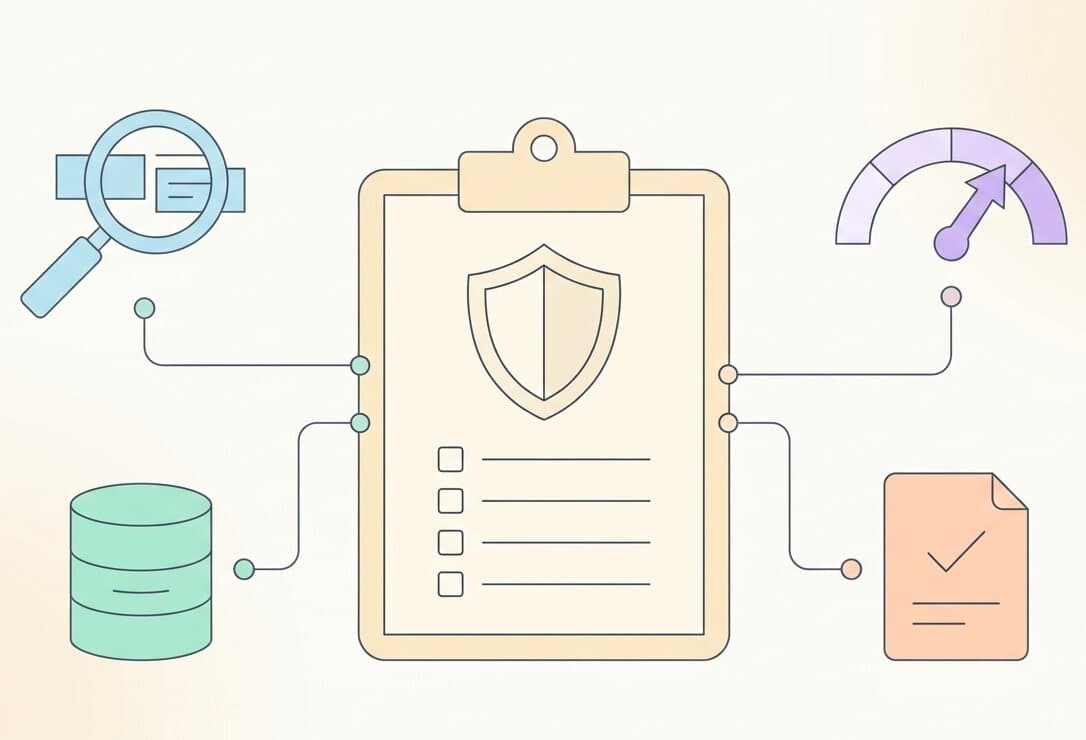
A proper PCI Compliance Audit evaluates how businesses store, process, and transmit payment data. Companies often work with a pci qualified security assessor or pci certified assessor to prepare for a pci qsa audit and validate their compliance posture.
Organisations handling larger transaction volumes may require formal PCI DSS audit services from recognised PCI DSS QSA companies. Businesses should also understand PCI DSS levels, PCI compliance levels, and PCI Level 2 compliance obligations to avoid costly compliance gaps.
How Do Emerging Technologies Impact PCI Compliance?
Emerging payment technologies improve convenience but also create new compliance responsibilities. Businesses must secure every connected component involved in digital payments.
Mobile wallets, embedded payment systems, and cloud-based applications often rely on third-party integrations. Organisations developing payment applications should understand pci ssf requirements because PCI SSF standards focus on secure payment software development.
Businesses supporting online authentication should also evaluate PCI 3DS implementation requirements to strengthen transaction security. PCI 3DS compliance helps reduce fraud during card-not-present transactions while improving customer confidence in mobile payments.
At the same time, organisations should continuously review PCI DSS compliance rules and SAQ PCI self-assessment obligations to ensure compliance remains aligned with evolving technologies.
What Common Mistakes Do Businesses Make With Mobile Payment Security?
Many businesses assume mobile payment providers handle all security responsibilities. In reality, merchants still remain accountable for protecting payment environments and maintaining compliance.
One common mistake is ignoring PCI DSS SAQ levels and choosing the wrong self-assessment approach. Businesses often underestimate the importance of secure wireless configurations, vulnerability scanning, and access controls. Others fail to calculate realistic PCI compliance audit cost expectations and delay essential security investments.
Companies also struggle when they lack internal expertise. Working with experienced PCI QSA professionals and trusted PCI DSS audit services providers helps organisations identify gaps before audits or breaches occur.
How Can Businesses Prepare For The Future Of Mobile Payment Security?
Businesses can prepare for the future by adopting proactive security strategies instead of reactive compliance practices. Payment security should evolve alongside customer behaviour and emerging threats.
Organisations should continuously monitor payment systems, update security controls, and conduct recurring assessments. Automated PCI compliance solutions help businesses maintain visibility across APIs, mobile apps, wireless networks, and payment devices.
Partnering with experienced compliance experts also improves long-term readiness. Whether businesses require a SAQ a level PCI compliance guidance or enterprise-level pci compliance audit support, ongoing security management is critical for sustainable growth in mobile commerce.
Is Your Business Ready To Secure The Future Of Mobile Payments?
Mobile payments will continue growing, but security risks will grow alongside them. Businesses that proactively strengthen payment protection strategies are far better positioned to maintain customer trust, reduce fraud, and meet evolving compliance expectations.
Strong payment security is no longer optional. Organisations that invest in compliance, encryption, and continuous monitoring today will build safer and more resilient mobile payment ecosystems for the future.
As mobile transactions expand, Accorp Partners helps businesses strengthen payment security with expert PCI DSS assessments, PCI Compliance Audit support, and advanced compliance guidance tailored for modern payment environments. Whether you need help with PCI QSA audit preparation, PCI ASV management, or mobile payment security strategy, Accorp Partners can help you stay compliant while protecting customer trust and business growth.
For more details, visit our PCI Compliance page.