.svg)
.svg)
.svg)
How Remote-First Companies Can Pass SOC 2 Audits
Discover SOC 2 compliance best practices for remote teams, including access controls, security monitoring, and audit readiness.

Accorp Compliance Team
Our team of compliance experts specializes in PCI DSS, SOC 2, and other security frameworks to help businesses achieve and maintain compliance.
Remote work has transformed how modern businesses operate. From startups to enterprise software providers, many organizations now rely on distributed teams spread across multiple cities, countries, and time zones. While remote work offers flexibility and scalability, it also introduces new security and compliance challenges that organizations must address.
For remote-first companies pursuing SOC 2 compliance, demonstrating effective security controls across a distributed workforce is essential. Auditors want assurance that customer data remains protected regardless of where employees work, what devices they use, or how they access company systems.
The good news is that remote-first organisations can successfully pass a SOC audit by implementing strong governance, security controls, and ongoing monitoring. In many cases, remote companies can build highly effective compliance programs that meet or exceed enterprise security expectations.
Why Remote Work Creates Unique Compliance Challenges
Traditional office environments provide organisations with greater control over physical access, network security, and employee activities. Remote work environments introduce additional variables that increase operational and security risks.
Some common challenges include:
Employees working from home networks
Use of personal devices
Remote access to cloud systems
Distributed team management
Increased reliance on collaboration tools
Greater exposure to phishing and social engineering attacks
Because of these factors, auditors often pay close attention to how remote-first organisations manage security and compliance risks.
Understanding SOC 2 Compliance for Remote Organisations
SOC 2 compliance is designed to evaluate whether an organisation has implemented effective controls to protect customer information and business systems.
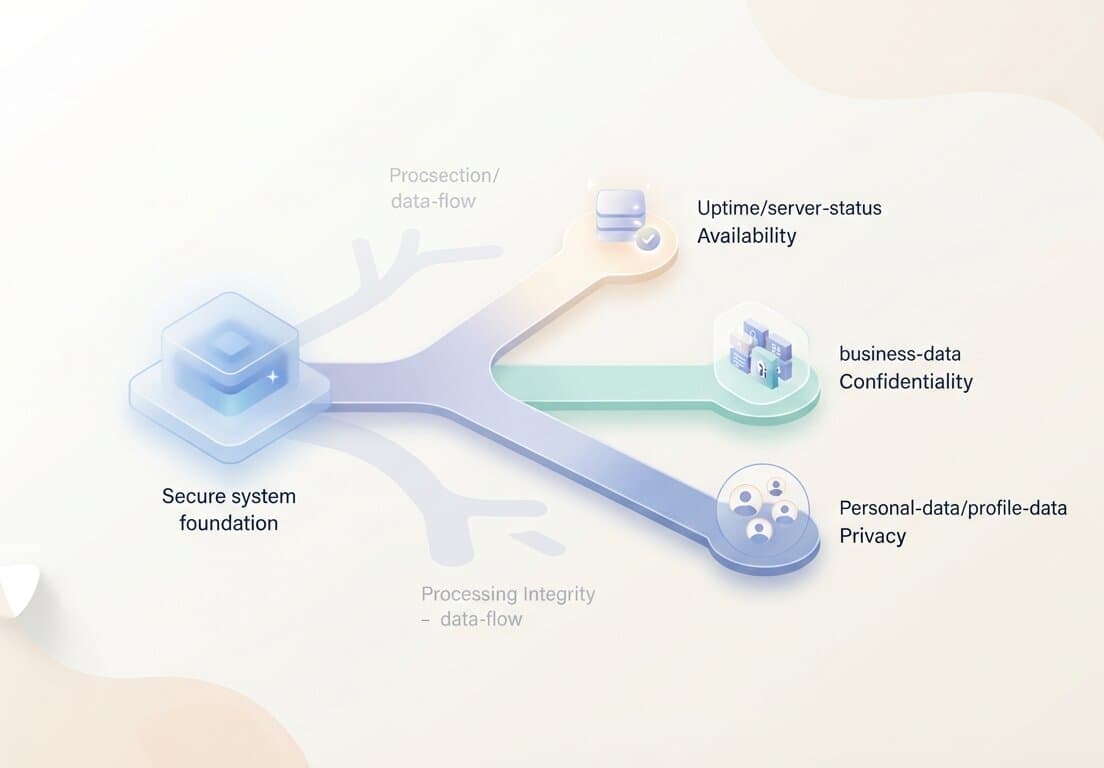
The AICPA SOC 2 framework focuses on key trust service criteria, including:
Security
Availability
Processing Integrity
Confidentiality
Privacy
Remote-first companies are assessed against the same standards as organizations with physical offices. The difference lies in how controls are implemented and maintained within a distributed environment. Organizations must demonstrate that security remains effective regardless of employee location.
Establishing Strong Access Management Controls
Access management is one of the most important areas reviewed during a SOC audit. Remote employees often access systems from various locations and devices, making proper access controls essential.
Organizations should implement:
Multi-Factor Authentication (MFA)
MFA adds an additional layer of protection beyond passwords and is widely expected by enterprise customers and auditors.
Role-Based Access Controls
Employees should only have access to systems and data necessary for their job responsibilities.
Regular Access Reviews
Periodic reviews help identify:
Unused accounts
Excessive permissions
Privileged access risks
Strong access management practices help demonstrate the effectiveness of critical SOC 2 controls.
Securing Remote Devices
Endpoints are often one of the largest attack surfaces in remote environments. Organizations should establish clear requirements for company-issued and employee devices.
Key security measures may include:
Device encryption
Endpoint detection and response (EDR)
Anti-malware protection
Automatic patch management
Screen lock requirements
Secure configuration standards
Auditors frequently request evidence showing that endpoint security controls are consistently applied.
Strengthening Remote Workforce Security Awareness
Human error remains one of the leading causes of security incidents. Remote employees may face increased exposure to phishing attempts, credential theft, and social engineering attacks.
Security awareness programs should include:
Security training during onboarding
Annual security education
Phishing awareness exercises
Secure remote work guidelines
Incident reporting procedures
Training records often serve as important evidence during a SOC audit.
Managing Cloud Security Effectively
Most remote-first companies rely heavily on cloud-based infrastructure and software platforms. Because employees connect from multiple locations, cloud security becomes a critical component of SOC 2 compliance.
Organizations should maintain controls around:
Identity and access management
Logging and monitoring
Data encryption
Secure backups
Network security configurations
Change management processes
Proper cloud governance helps reduce risks associated with distributed operations.
Monitoring Security Events Across Distributed Environments
Continuous monitoring is essential for identifying unusual activity and responding to potential threats.
Remote-first organizations should implement monitoring capabilities that provide visibility into:
User authentication events
Privileged account activity
System changes
Security alerts
Suspicious login attempts
Effective monitoring demonstrates that security controls remain operational throughout the audit period.
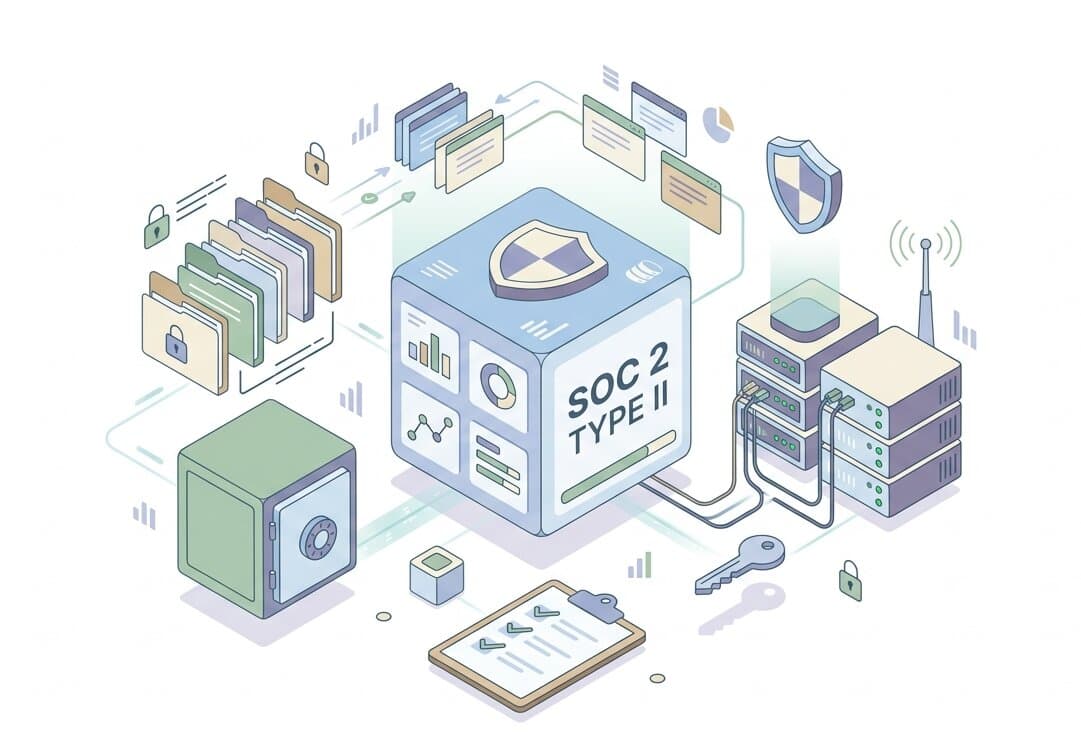
This is particularly important for organizations pursuing a SOC 2 Type 2 examination, where auditors evaluate how controls perform over time.
Building an Effective Incident Response Program
Remote work does not eliminate the possibility of security incidents. In some cases, it increases the need for well-defined response procedures.
Organizations should establish documented processes for:
Incident identification
Investigation
Escalation
Containment
Recovery
Post-incident review
Auditors often review incident response documentation to verify that organizations can effectively manage security events.
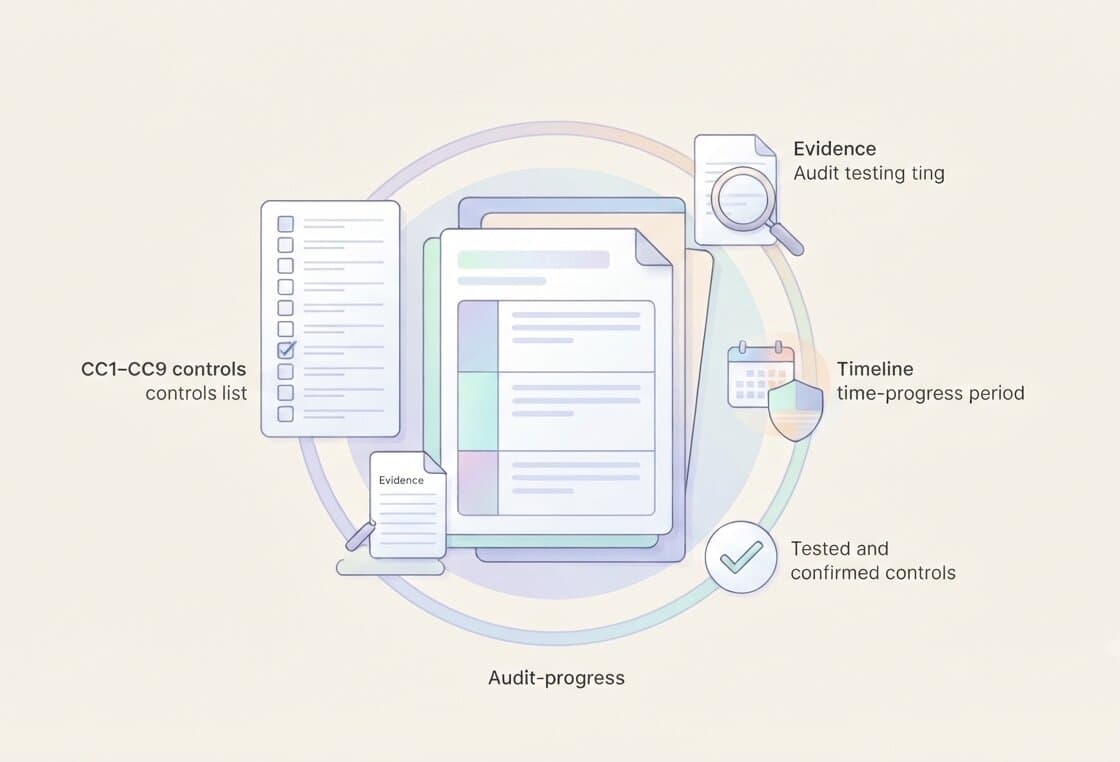
Maintaining Documentation and Audit Evidence
One of the most common reasons organizations struggle during a SOC audit is poor documentation. Remote-first companies should maintain evidence demonstrating that controls are functioning consistently.
Examples include:
Access review records
Security training completion reports
Device management logs
Incident response documentation
Change management approvals
Vendor assessments
Well-organized evidence collection supports a smoother audit process and helps reduce remediation efforts.
Why Continuous Compliance Matters for Remote Companies
Many organisations treat compliance as a yearly project. However, remote work environments change constantly. New employees join, systems are updated, vendors are added, and business processes evolve.
A continuous compliance approach helps organisations:
Maintain audit readiness
Reduce compliance gaps
Improve security visibility
Simplify evidence collection
Strengthen operational maturity
Continuous monitoring and review activities are becoming increasingly important as organizations scale remote operations.
Common Mistakes Remote-First Companies Make
Several issues frequently create challenges during audits.
1. Inconsistent Access Reviews
User permissions may not be reviewed regularly, increasing security risks.
2. Weak Device Management
Organizations sometimes fail to enforce security standards across all endpoints.
3. Lack of Monitoring
Without proper monitoring, suspicious activity may go undetected.
4. Poor Documentation
Controls may exist, but cannot be validated due to missing evidence.
5. Delayed Compliance Efforts
Waiting until audit season often results in rushed remediation and incomplete documentation.
How a SOC 2 Audit Report Builds Customer Trust
Enterprise customers increasingly evaluate vendor security programs before sharing sensitive information.
A current SOC 2 audit report demonstrates that an independent auditor has assessed the organisation's control environment and found it effective.
For remote-first companies, this assurance can help:
Accelerate sales cycles
Improve customer confidence
Support enterprise procurement reviews
Strengthen competitive positioning
Many customers now view SOC 2 compliance as a minimum requirement rather than an optional certification.
Final Thoughts
Remote work has changed how organizations operate, but it has not changed the importance of security and compliance. Remote-first companies can successfully achieve SOC 2 compliance by implementing strong access controls, securing devices, monitoring systems, training employees, and maintaining ongoing oversight of their control environment.
By aligning remote workforce practices with AICPA SOC 2 expectations and maintaining effective SOC 2 controls throughout the year, organizations can confidently prepare for a SOC audit and demonstrate their commitment to protecting customer information. Whether pursuing an initial assessment or maintaining a mature SOC 2 Type 2 program, a proactive approach to compliance can help remote-first companies build trust, reduce risk, and support long-term growth.
Explore our SOC 2 Compliance Services to strengthen your security and compliance program.