.svg)
.svg)
.svg)
SOC 2 Evidence Collection: The Complete Framework Auditors Want to See
Build a strong evidence collection process to support SOC 2 compliance, streamline audits, and strengthen security controls.

Accorp Compliance Team
Our team of compliance experts specializes in PCI DSS, SOC 2, and other security frameworks to help businesses achieve and maintain compliance.
For many organizations pursuing SOC 2 compliance, evidence collection is one of the most challenging parts of the audit process. Policies may be documented, security tools may be implemented, and controls may be operating effectively, but without proper evidence, auditors cannot verify that those controls are functioning as intended.
A successful SOC audit depends on more than having the right security measures in place. Organizations must be able to demonstrate that their controls are consistently operating through clear, organized, and verifiable evidence.
Whether preparing for an initial assessment or maintaining an ongoing SOC 2 Type 2 program, establishing a structured evidence collection framework can significantly improve audit readiness and reduce last-minute stress.
Why Evidence Collection Matters in SOC 2 Compliance
The primary objective of a SOC audit is to evaluate whether controls are properly designed and operating effectively.
Auditors do not simply rely on verbal explanations or written policies. They require supporting documentation that demonstrates how controls function in practice.
This evidence helps validate:
Security activities
Access management procedures
Change management processes
Incident response actions
Risk management activities
Vendor oversight efforts
Without sufficient evidence, even well-designed SOC 2 controls may be considered ineffective from an audit perspective.
What Auditors Mean by "Evidence"
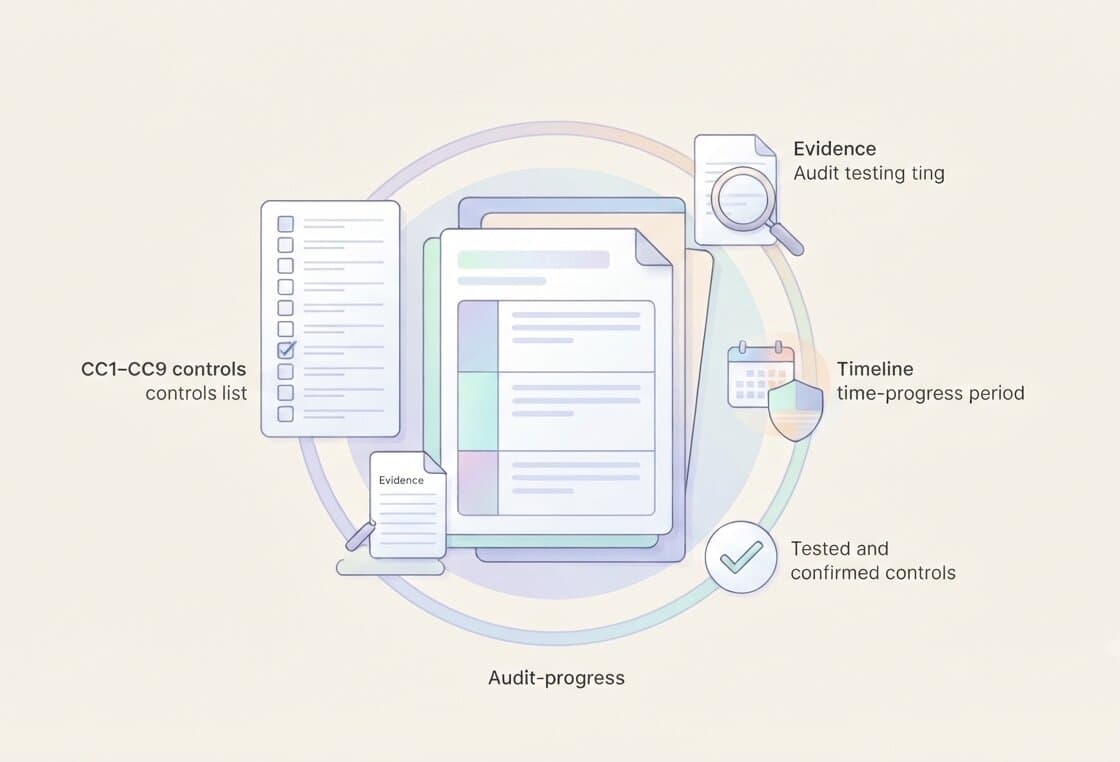
Evidence is any documentation or record that demonstrates a control has been performed.
Examples may include:
System-generated logs
Access review reports
Security monitoring records
Employee training records
Incident response documentation
Risk assessments
Vendor reviews
Change approval records
Policy acknowledgments
Auditors use these materials to determine whether controls operated consistently throughout the review period.
For organizations undergoing a SOC 2 Type 2 examination, evidence is especially important because auditors evaluate control effectiveness over several months rather than at a single point in time.
The Foundation of an Effective Evidence Collection Framework
Successful evidence collection starts with planning rather than scrambling during audit preparation.
Organizations should establish a framework that answers three key questions:
What Evidence Is Required?
Every control should have clearly identified evidence requirements.
For example:
Access review controls may require:
User access reports
Review sign-off records
Remediation documentation
Incident response controls may require:
Incident logs
Investigation records
Resolution summaries
Defining requirements early prevents confusion later.
Who Owns the Evidence?
Every control should have a designated owner responsible for maintaining supporting documentation.
Ownership helps ensure:
Accountability
Timely collection
Consistent recordkeeping
Faster audit preparation
Organizations that lack clear ownership often struggle to locate evidence when auditors request it.
Where Is Evidence Stored?
Centralized storage significantly improves efficiency. Evidence should be organised in a secure repository where authorized personnel can quickly locate documentation.
Common storage approaches include:
Compliance management platforms
Secure document repositories
Governance and risk management systems
Internal compliance portals
The goal is to create a single source of truth for audit documentation.
Categories of Evidence Auditors Commonly Review
Access Management Evidence
Access management remains one of the most heavily reviewed areas of SOC 2 compliance.
Auditors frequently request:
User access listings
Role assignments
Privileged access reviews
Termination records
Access approval documentation
Organisations should ensure this evidence is collected regularly rather than only before an audit.
Security Monitoring Evidence
Security monitoring demonstrates that threats and unusual activity are being actively reviewed.
Examples include:
Alert investigations
Monitoring reports
Security dashboards
Log review documentation
These records help demonstrate ongoing operational effectiveness.
Change Management Evidence
System changes should follow documented approval procedures.
Auditors often review:
Change requests
Approval records
Deployment documentation
Testing evidence
Strong documentation reduces uncertainty during control testing.
Risk Assessment Evidence
Risk management activities support several SOC 2 controls.
Auditors may request:
Risk assessment reports
Risk registers
Mitigation plans
Management review records
These documents demonstrate that risks are identified and addressed systematically.
Vendor Management Evidence
As organizations increasingly rely on third-party providers, vendor oversight has become a major audit focus.
Relevant evidence may include:
Vendor risk assessments
Security reviews
Contract reviews
Compliance certifications
Vendor SOC reports
Maintaining current vendor documentation helps support overall audit readiness.
Why Continuous Evidence Collection Matters
One of the most common mistakes organisations make is waiting until the audit begins to gather documentation.
This approach creates unnecessary challenges.
Teams often discover:
Missing records
Incomplete reviews
Outdated documentation
Unclear ownership
A continuous approach to evidence collection helps eliminate these issues.
Organisations that collect evidence throughout the year are often better prepared for both annual reviews and customer due diligence requests. This approach also supports continuous SOC 2 compliance by ensuring documentation remains current and readily available.
Common Evidence Collection Mistakes
Several issues frequently create delays during a SOC audit.
1. Collecting Evidence Too Late
Waiting until the audit starts often leads to missing documentation and rushed remediation efforts.
2. Inconsistent Documentation
Evidence should follow standardised formats whenever possible.
3. Missing Approvals
Many controls require management review or approval. Missing sign-offs can create audit findings.
4. Lack of Version Control
Policies and procedures should include version histories and approval records.
5. Over-Reliance on Manual Processes
Manual evidence collection increases the risk of omissions and inconsistencies.
The Role of Automation in Evidence Collection
Many organisations are adopting automation tools to streamline compliance activities.
Automation can assist with:
Log collection
Access reviews
Configuration monitoring
Policy tracking
Evidence storage
However, automation does not eliminate the need for oversight. Auditors still expect organisations to review, validate, and maintain control over compliance activities. Technology should support evidence collection rather than replace governance processes.
How Evidence Supports a Strong SOC 2 Audit Report
A high-quality SOC 2 audit report reflects more than technical controls. It demonstrates that controls are operating consistently and that evidence exists to support those conclusions.
Organizations with mature evidence collection programs often experience:
Faster audits
Fewer findings
Improved audit outcomes
Better customer confidence
Reduced compliance costs
Evidence serves as the foundation that connects documented policies to actual operational practices.
Aligning Evidence Collection with AICPA SOC 2 Expectations
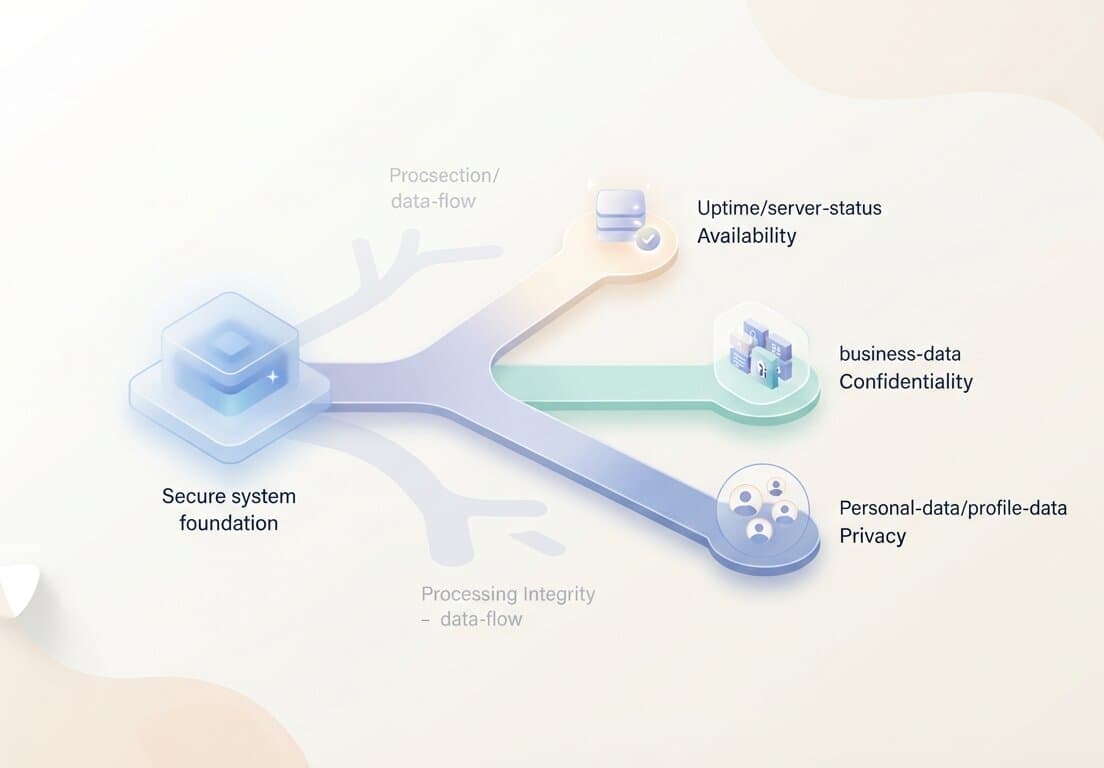
The AICPA SOC 2 framework emphasises the importance of demonstrating control effectiveness through objective and verifiable information. Evidence collection helps organisations show that controls supporting security, availability, confidentiality, processing integrity, and privacy are functioning as intended.
Rather than treating evidence collection as an annual project, organisations should incorporate it into daily operations and ongoing compliance activities.
Final Thoughts
Evidence collection is one of the most important components of a successful SOC audit. Even the strongest SOC 2 controls cannot be validated without supporting documentation that demonstrates consistent execution.
Organisations pursuing SOC 2 compliance should establish a structured framework that defines ownership, standardises documentation, and supports continuous collection throughout the year. By maintaining organised, accurate, and readily available evidence, companies can improve audit readiness, strengthen operational maturity, and support successful SOC 2 Type 2 examinations. Ultimately, effective evidence collection is not just about passing an audit—it is about building a sustainable compliance program that can support long-term growth and customer trust.
Explore our SOC 2 Compliance Services to strengthen your security and compliance program.