.svg)
.svg)
.svg)
SOC 1 & SOC 2: What’s the Difference Between Type I and Type II Audits?
Learn the difference between Type I and Type II SOC audits and how SOC 2 auditor certification supports strong, reliable compliance for your business.

Accorp Compliance Team
Our team of compliance experts specializes in PCI DSS, SOC 2, and other security frameworks to help businesses achieve and maintain compliance.
If you're exploring SOC compliance — whether it's SOC 1 or SOC 2 — you've probably come across the terms Type I and Type II. For many organisations, especially those seeking their first audit, understanding the difference is crucial.
So what's the real difference between Type I and Type II audits, and which one is right for your business?
Let's break it down in simple terms.
What Is a Type I Audit?
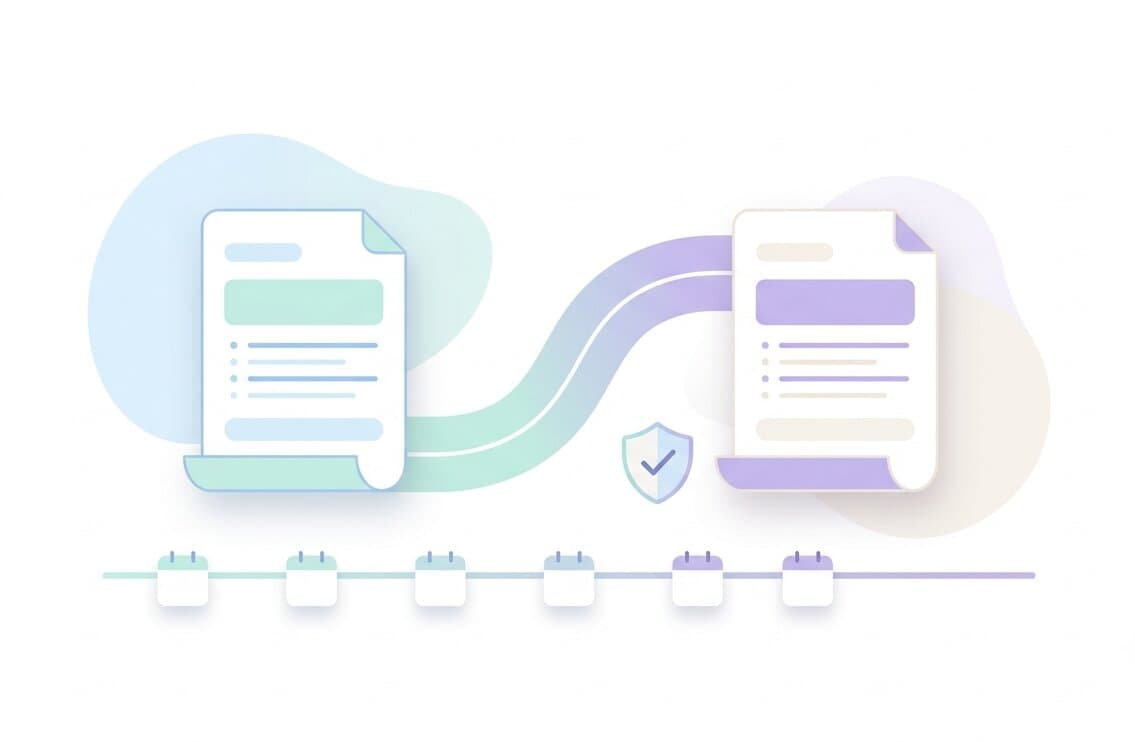
A Type I audit evaluates the design of your controls at a specific point in time. Think of it as a snapshot.
It answers: "Are the right controls in place, and are they properly designed to meet the required objectives — today?"
This is often the first step for companies new to SOC audits. It provides clients and partners with initial assurance that you've implemented appropriate controls — even if those controls haven't yet been tested over time.
When Type I Makes Sense:
You're pursuing your first SOC report
You're in early stages of building out your compliance program
You need a report quickly for due diligence or onboarding a client
A SOC 2 Type 1 Audit is particularly common among early-stage SaaS companies and startups that need to demonstrate a baseline level of SOC 2 compliance to prospective enterprise clients — without the longer timeline a Type II engagement requires.
What Is a Type II Audit?
A Type II audit takes things further — it evaluates both the design and operating effectiveness of your controls over a period of time (usually 3–12 months).
It answers: "Not only are the right controls in place, but they've been consistently followed over time."
Type II reports provide a much higher level of assurance to customers, regulators, and partners — and are often required for vendor approvals and enterprise contracts.
When Type II Makes Sense:
You've already completed a Type I and are ready to demonstrate maturity
You're in a competitive industry where data security and compliance are deal-breakers
To showcase ongoing control effectiveness
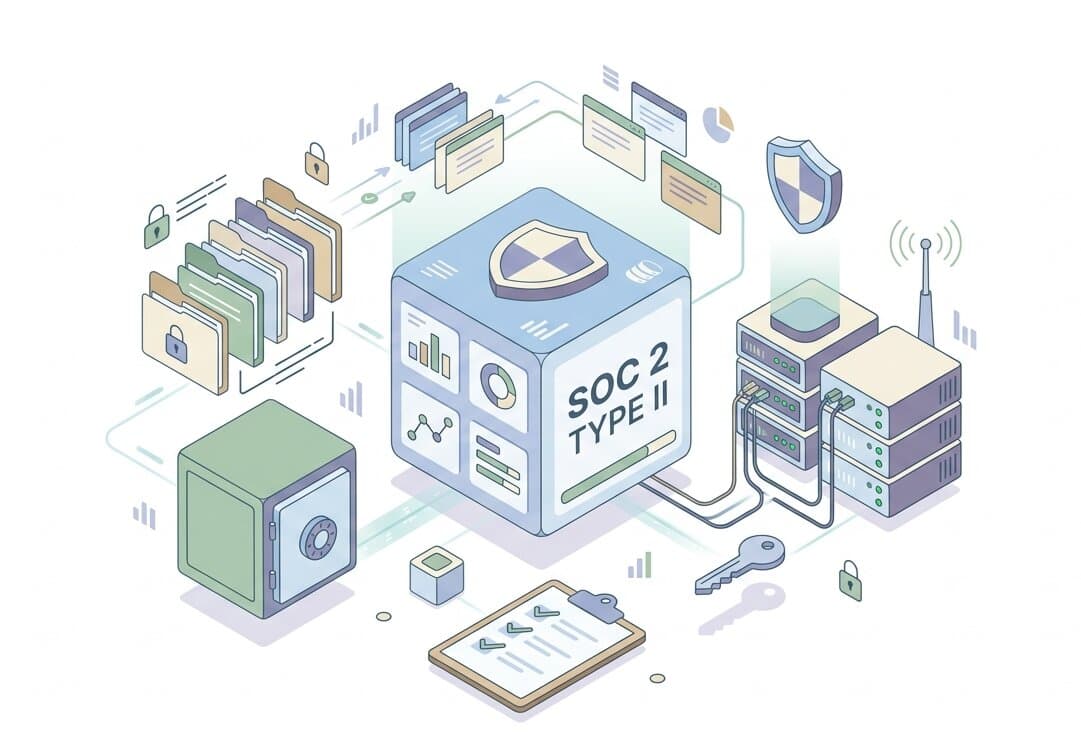
A SOC 2 Type 2 audit is the gold standard for SOC 2 reporting. The resulting SOC 2 Type 2 report covers a defined review period and gives stakeholders confidence that your controls aren't just well-designed — they're consistently practiced. Most SOC type 2 requirements demand that the review period be at least six months for the report to carry meaningful weight.
Type I vs. Type II: Side-by-Side Comparison
Feature | Type I | Type II |
Scope | Controls at a point in time | Controls over a time period |
Focus | Design and implementation of controls | Design and operating effectiveness |
Effort | Lower (faster to complete) | Comparatively higher (requires continuous monitoring over a period) |
Common Use Case | First-time audit, startup stage | Mature organizations, enterprise-ready |
Understanding the SOC 2 Audit Process
Whether you're going for Type I or Type II, the SOC 2 process follows a similar path. Here's what to expect:
Scoping — Define which systems, services, and Trust Services Criteria fall under the audit.
SOC 2 Readiness Assessment — Before engaging a SOC 2 auditor, a SOC 2 readiness assessment identifies gaps in your current controls. This is a critical step that many organizations skip — and later regret.
Remediation — Address any weaknesses found during the readiness phase.
Fieldwork — Your auditor — typically from one of the established SOC 2 audit firms — tests your controls through interviews, documentation reviews, and system walkthroughs.
Report Issuance — The final SOC 2 audit report is issued with an independent opinion from a licensed CPA firm, in accordance with AICPA SOC 2 standards.
For Type II specifically, fieldwork spans the entire review period — so consistency in your controls throughout that window is essential.
Common Mistakes When Choosing Between Type I and Type II
We've seen organizations make a few costly missteps in this decision:
Skipping Type I entirely — Some companies rush straight to a SOC 2 Type 2 audit without understanding their control gaps. This often leads to a qualified opinion or finding-heavy report. A Type I first helps you build confidence before the longer commitment.
Staying with Type I too long — A Type I is a starting point, not a destination. If you're pursuing enterprise deals, expect your prospects to ask for a SOC 2 Type 2 report sooner than you think.
Choosing the wrong review period — For a SOC 2 Type 2 report, a three-month window is technically valid but often not accepted by larger clients. Aim for six to twelve months where possible.
Which Should You Choose?
If you're just getting started or your clients only need basic assurance, start with a Type I report. It's faster, less resource-intensive, and a great foundation.
Once you're confident in your processes and need deeper trust, move to a Type II. Most larger clients — especially in tech, healthcare, or financial services — will eventually expect a Type II report.
How We Can Help
Whether you need a SOC 1 or SOC 2, Type I or Type II, we'll help you choose the right path based on your business model, industry, and client expectations.
Our team provides:
🔹 Readiness assessments
🔹 Control gap analysis
🔹 Policy and documentation support
🔹 Ongoing guidance through the audit process