.svg)
.svg)
.svg)
"We Enabled MFA" Isn't Evidence Anymore: What SOC 2 Auditors Actually Check in 2026
Discover why continuous evidence matters in SOC 2 audits, what auditors expect in 2026, common mistakes, and how to stay audit-ready.

Accorp Compliance Team
Our team of compliance experts specializes in PCI DSS, SOC 2, and other security frameworks to help businesses achieve and maintain compliance.
Every audit season, I still get the same screenshot in the evidence folder. A settings page, MFA toggled to "on," a URL bar cropped out of frame, no date stamp. Three years ago, that screenshot would have closed the control. In 2026, it gets flagged, and I have to go back to the client and ask the question nobody wants to hear mid-fieldwork: how do you know this was true every day of the audit window, not just the day someone remembered to take a picture?
That one shift — from "prove it's true right now" to "prove it stayed true for six or twelve months" — is quietly rewriting what SOC 2 compliance actually requires. If your evidence folder still looks like a slideshow of dashboard screenshots, this is the piece to read before your next SOC 2 audit, not during it.
Why point-in-time evidence stopped working
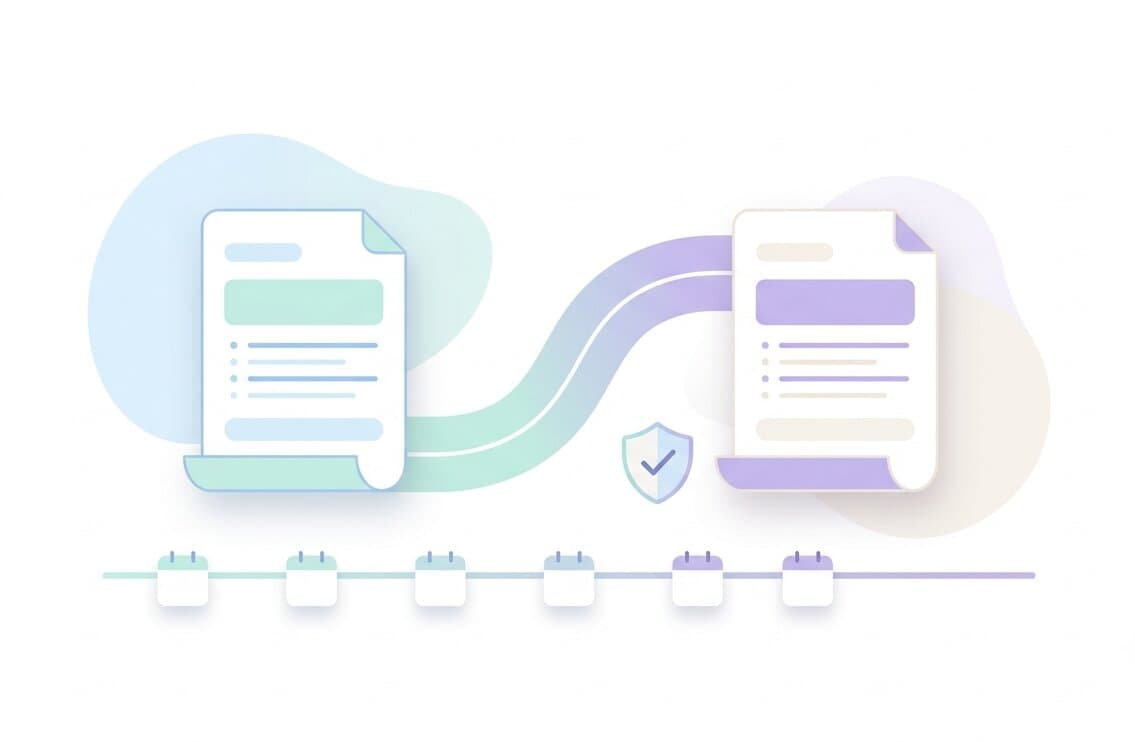
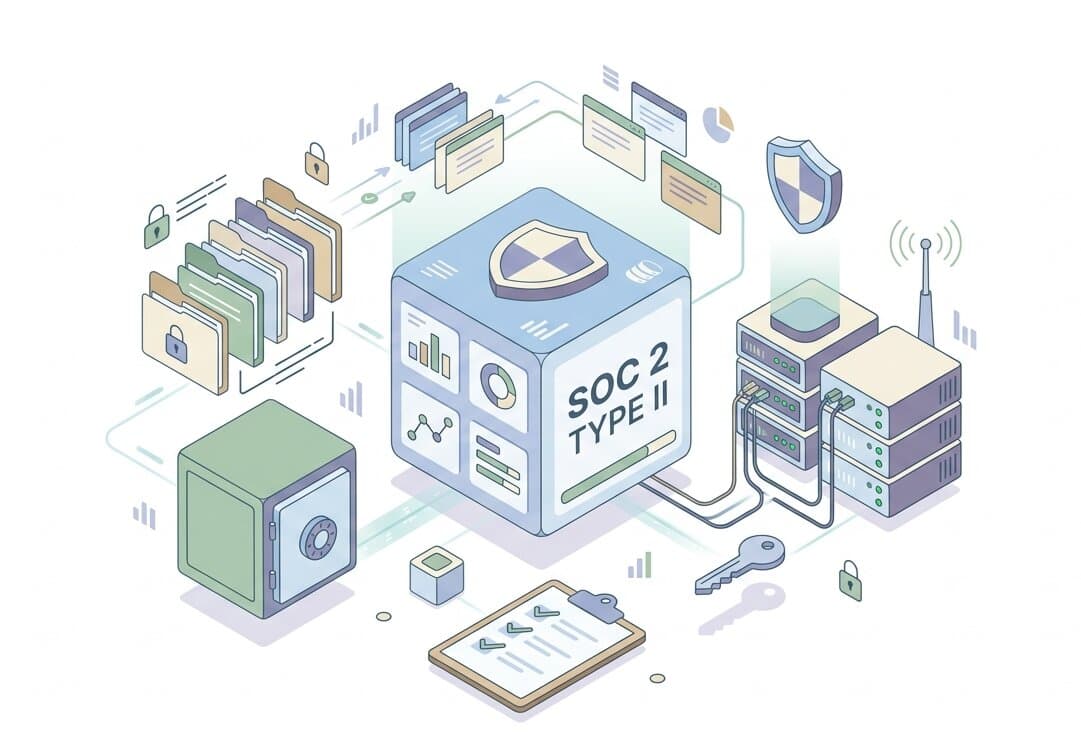
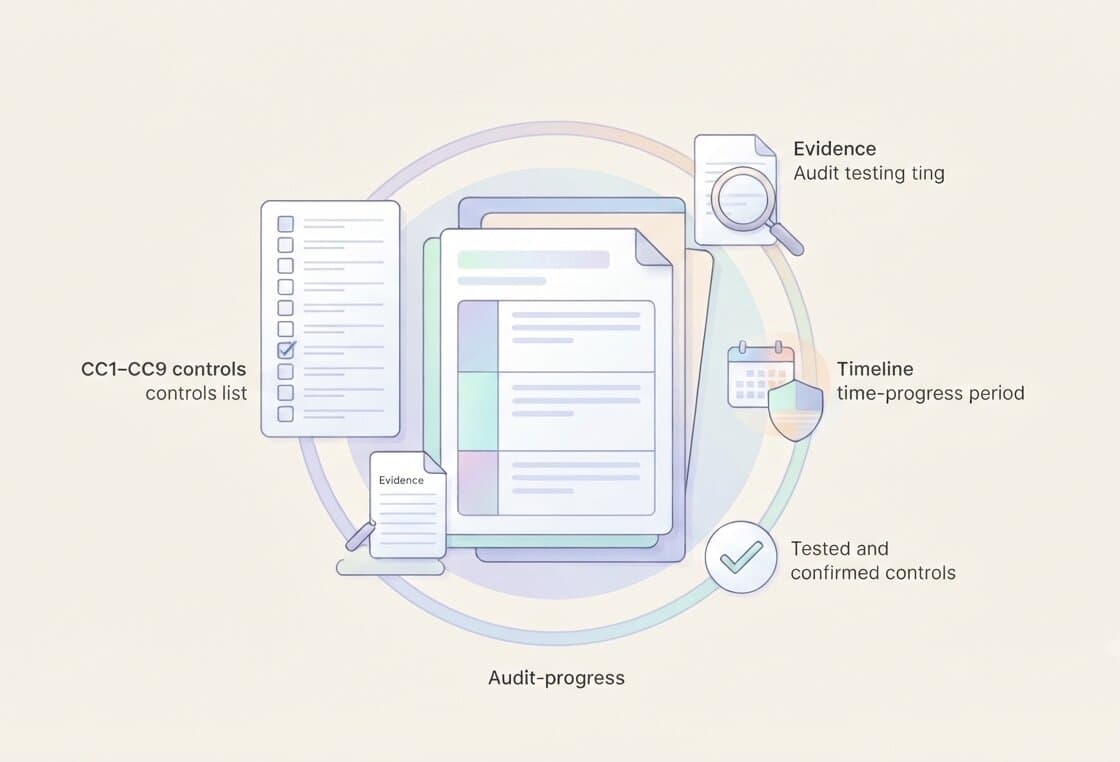
A SOC 2 report is built on a simple premise: an independent CPA firm tests whether your controls were designed properly (Type I) and whether they actually operated the way you said they would, over a real period of time (Type II). For most of SOC 2's history, "operated effectively" got proven with periodic snapshots — a screenshot in January, another in July, maybe a spreadsheet update before the auditor showed up.
The problem is obvious once you say it out loud: a screenshot taken on December 15th tells you nothing about December 16th. Someone can disable MFA on a service account, skip a quarterly access review, or loosen a firewall rule the day after the picture is taken, and reinstate it right before the auditor's next check-in. That's not a hypothetical — it's the exact gap auditors are now trained to probe for.
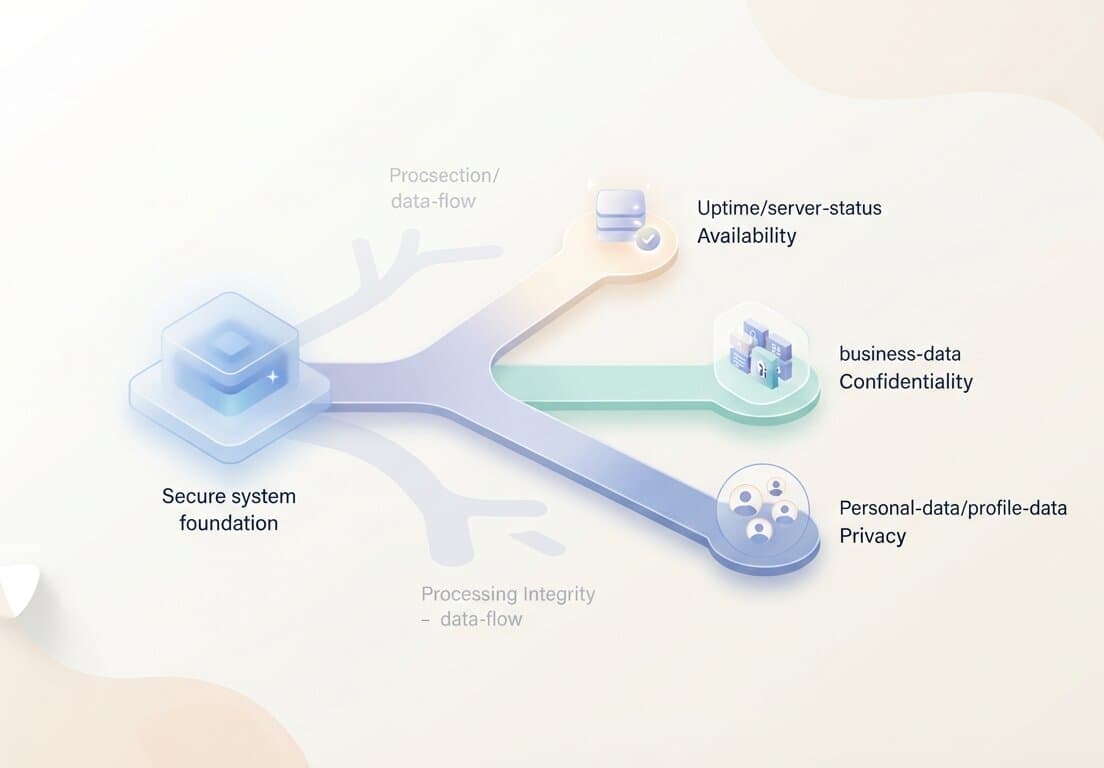
So the standard changed. Not the framework itself — the 2017 Trust Services Criteria with the 2022 points-of-focus update is still the backbone of every SOC 2 audit — but the bar for what counts as proof under it. For any control that's technically capable of being monitored continuously, auditors now expect continuous evidence, not a handful of dated screenshots stitched together at the end of the window.
What SOC 2 auditors actually verify now
Here's what that looks like control by control, in plain terms:
Logical access (CC6.1) — MFA enforcement, password policy adherence, privileged access reviews. Auditors want to see this checked on a rolling basis, not once a quarter. If MFA lapsed for three days in March and nobody caught it, that's a finding, and a continuous log is the only way anyone would even know to report it.
Network security (CC6.6) — firewall rules, security group configuration, public-facing ports. A one-time scan tells you the state today. Auditors now expect ongoing monitoring with alerts, so drift gets caught the day it happens, not the week before fieldwork.
Vulnerability management (CC6.8) — critical and high CVE remediation against your own SLA. This has to be tracked continuously, with evidence of every SLA breach and how it was resolved, not a clean-looking spreadsheet assembled after the fact.
Change management (CC8) — if you run infrastructure as code, auditors increasingly want drift reports showing production actually matches what's in Terraform or CloudFormation. Unexplained drift between code and reality is treated as a control failure in its own right.
Monitoring and alert response (CC7) — this is the one people underestimate. A dashboard screenshot proves an alert existed. It doesn't prove anyone looked at it, understood it, or did anything about it. Auditors want sign-off records: who reviewed the alert, when, and what they did next.
None of this means the underlying SOC 2 requirements got harder. The criteria are the same nine categories they've always been. What changed is the burden of proof — and that catches a lot of otherwise well-run companies off guard.
The mistakes that actually sink an audit
After enough of these engagements, the failure pattern repeats itself in the same three or four ways:
Gaps in the observation window. If your access review evidence covers Q1, Q2, and Q4 but Q3 is missing, an auditor cannot assume the control was operating during the gap. For continuous controls specifically, even a few weeks of missing logs can turn into a qualified opinion covering that stretch — which is exactly the outcome a SOC 2 report is supposed to help you avoid, not invite.
Screenshots with no context. A cropped image of a toggle switch, no system name, no URL, no timestamp, isn't evidence — it's a picture. If it can't be tied to a specific system on a specific date by someone who wasn't in the room when it was taken, it won't hold up.
Treating the review as a compliance task instead of an operating habit. Quarterly access reviews concentrated in the week before the auditor arrives are a visible red flag. The whole point of Type II testing is operating effectiveness over time — a control that only exists during audit season isn't operating effectively, it's being performed.
Confusing "we have the tool" with "we have the evidence." Plenty of teams run a CSPM or continuous monitoring platform and assume that alone satisfies the requirement. It doesn't, unless there's a documented trail showing the tool ran consistently across the full period and someone acted on what it found.
What good evidence looks like in a 2026 SOC 2 audit
The shift favors evidence that's generated automatically over evidence someone has to remember to produce. Logs beat screenshots because they're harder to fabricate and they capture events as they happen. Sign-off records beat dashboards because they prove a human closed the loop. Naming conventions matter more than people expect — a file like access-review_aws-iam_2026-q1.pdf saves real time when an auditor is sorting through two hundred evidence artifacts, and it signals a team that actually has its evidence pipeline organized rather than assembled last-minute.
If you're heading into your first SOC 2 Type 2 audit, this is worth building in from day one rather than retrofitting six months into the observation window. If you're a repeat client, it's worth an honest gap check against this list before your next cycle starts — most of the findings we see now trace back to one of the four mistakes above, not to a genuinely broken control.
Where a cpa-led audit actually helps
This is also where the difference between a checkbox SOC 2 audit and a properly scoped one shows up. A good auditor isn't just collecting your evidence at the end of the window — they're telling you, before the window even opens, which controls need continuous evidence versus periodic evidence, and what "good enough" actually looks like for a company your size and stage. That readiness conversation is worth more than most people realize; it's the difference between finding an evidence gap in month two, when it's fixable, and finding it in month eleven, when it becomes a qualified opinion.
It's the same readiness-first approach we take at Accorp Partners with every SOC 2 engagement — our CPA-led team walks through this exact evidence gap before your observation window opens, not after, so you're not the client discovering a nine-month logging hole during fieldwork.
SOC 2 compliance was never really about the report itself — it's about whether a CPA firm can independently stand behind the claim that your controls worked the way you say they did. In 2026, "we have MFA enabled" is a true statement. It's just no longer, by itself, an answer to the question an auditor is actually asking.