.svg)
.svg)
.svg)
What Does SOC 2 Compliance Really Mean
Understand what SOC 2 compliance really means and how SOC 2 Compliance Audit Services help build trust, strengthen controls, and support secure operations.

Accorp Compliance Team
Our team of compliance experts specializes in PCI DSS, SOC 2, and other security frameworks to help businesses achieve and maintain compliance.
If you've been in conversations about security or vendor due diligence, you've probably heard the phrase "SOC 2 compliant." It gets thrown around a lot, but there's also a lot of misunderstanding about what it actually means. Let's clear that up.
So, What Is SOC 2 Compliance?
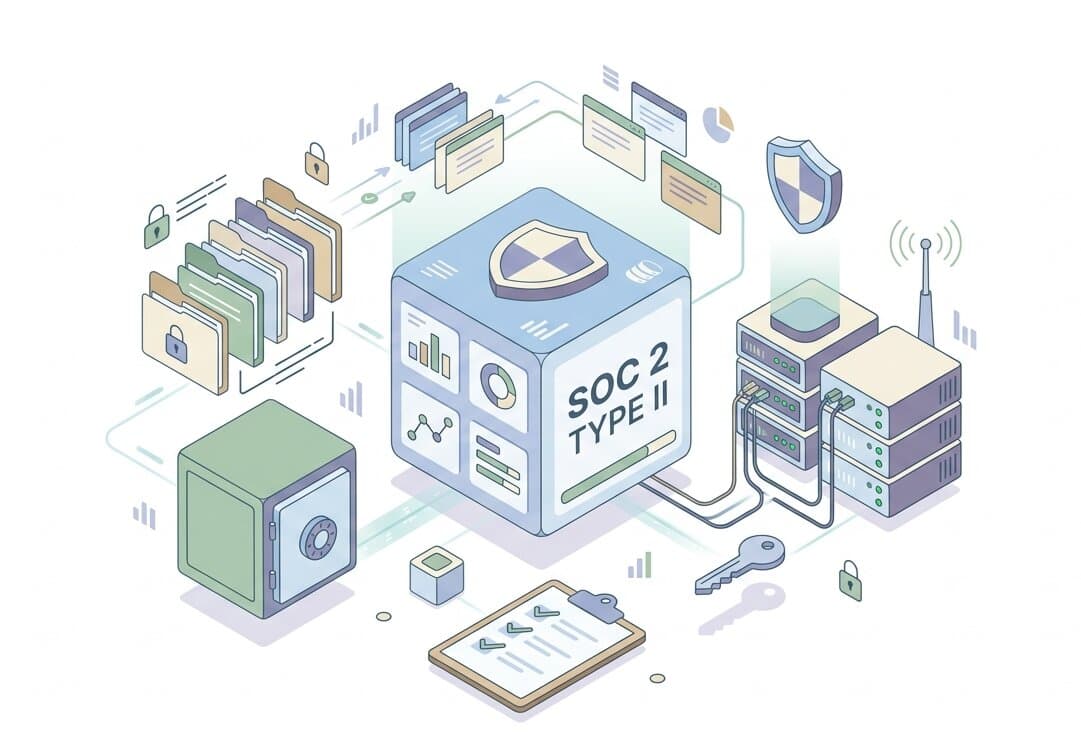
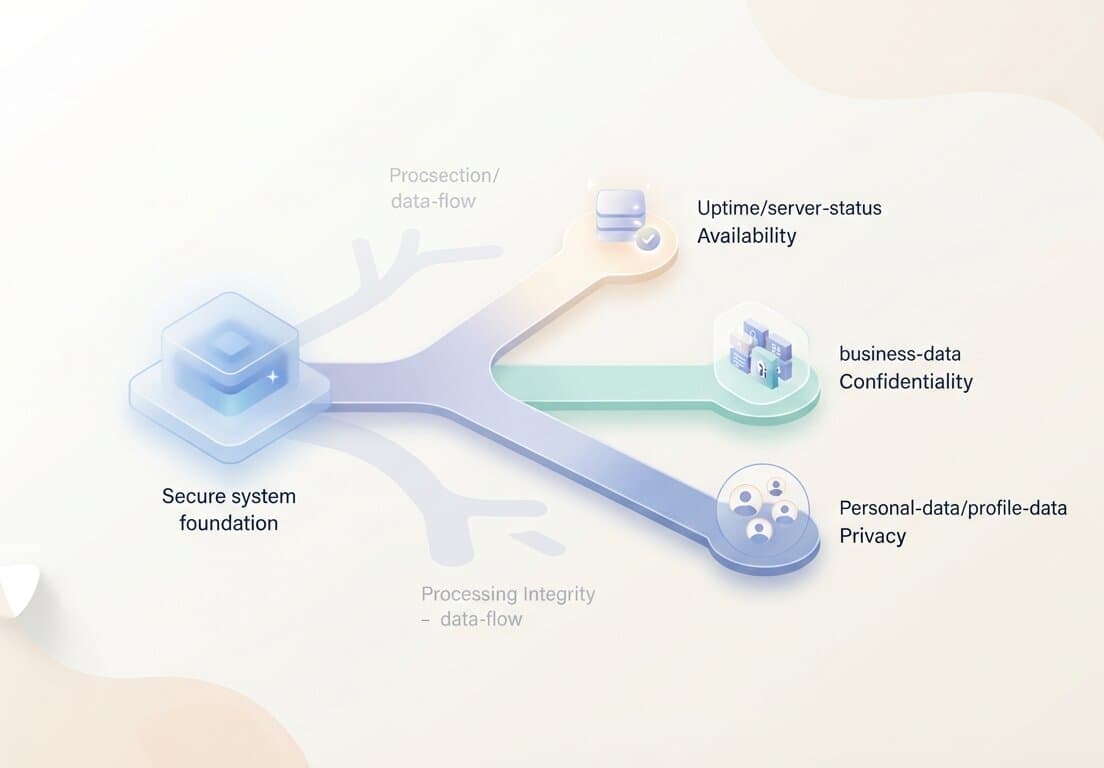
A SOC 2® is a System and Organization Control 2 report. Although a SOC 2 is technically an attestation report, it's very common for people to call a SOC 2 a certification. It's not a certification. See the AICPA page for more information. "SOC 2 compliance" or "SOC 2 compliant" are terms used to describe companies that are meeting one or more of the SOC 2 Trust Services Criteria. Each category of criteria has a number of requirements associated with it.
When a company says they're "SOC 2 compliant," it usually means they've gone through this process and an auditor has confirmed that their controls line up with one or more of these areas.
Does SOC 2 Compliance Make You Secure?
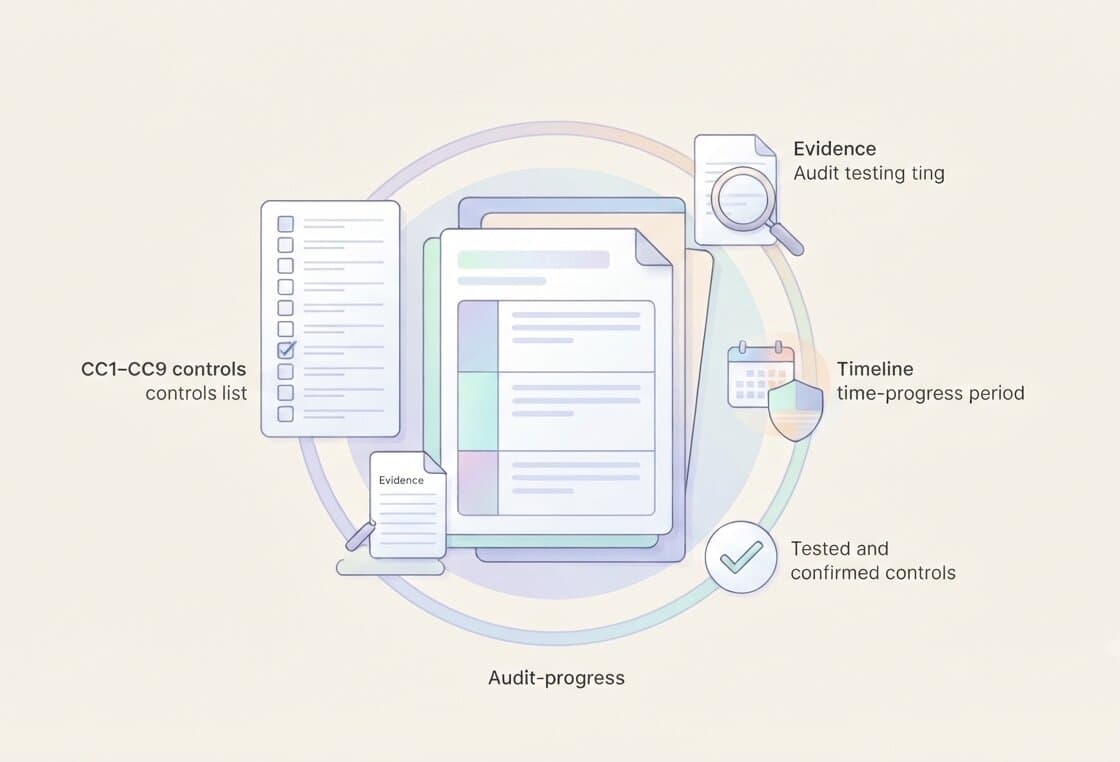
Here's the honest truth: no framework can guarantee security. SOC 2 included. What it does mean is that your organization has put controls in place, and those controls have been tested against the SOC 2 criteria by an independent auditor.
Think of it like an annual health checkup. Passing doesn't mean you'll never get sick — but it does show you're doing the right things to stay healthy and there are very less changes if you will get sick and even if you get sick your chances of recovery are very stronger.
Why Do Companies Care About SOC 2?
There are a few reasons companies go through the effort (and expense) of SOC 2 compliance:
It builds trust. Having an independent audit in hand shows customers you take their data seriously.
It helps you improve. The process forces you to look closely at your controls and tighten up weak spots.
It can open doors. Some markets won't even talk to you unless you have a SOC 2 audit report (financial services is a good example — they usually expect a Type II report).
It sets you apart. Not every competitor is willing to invest in SOC 2, so it's a way to differentiate.
How Is SOC 2 Different From Other Compliance Standards?
This is where SOC 2 is unique. Frameworks like PCI, HITRUST,FedRAMP,or ISO have very specific requirements. SOC 2, on the other hand, is more flexible. The AICPA SOC 2 framework lays out the criteria, but it's up to the auditor and your company to figure out which controls make sense for your environment.
That means no two SOC 2 reports look exactly the same — they're tailored to the business being evaluated.
"Still deciding between SOC 1, SOC 2, or SOC 3 for your organization? The right choice depends on your services and client needs."
Who Usually Needs SOC 2?
SOC 2 compliance is most common among service providers that handle or store customer data. Think SaaS companies, data centers, cloud providers, managed service providers, and similar businesses. Basically, if you're in the business of managing other people's information, chances are you'll get asked for a SOC 2 at some point.
It's also widely accepted globally, so even if your clients aren't in the U.S., they'll probably recognize and respect SOC 2 compliance.
SOC 2 Type 1 vs. Type 2: Which One Do You Need?
One of the most common follow-up questions after understanding SOC 2 compliance is: should I get a Type 1 or Type 2 report?
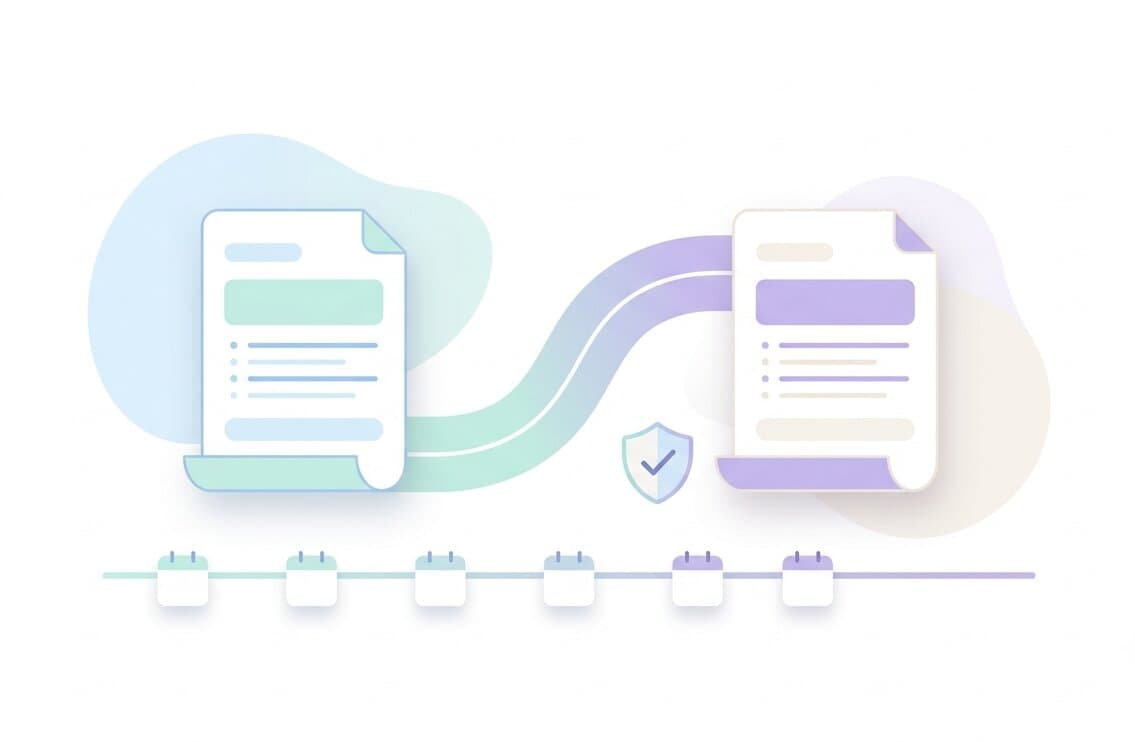
A SOC 2 Type 1 Audit evaluates whether your controls are designed appropriately at a specific point in time. It's a good starting point for organizations new to the SOC 2 process.
A SOC 2 Type 2 report goes deeper — it tests whether those controls operated effectively over a defined period, usually six to twelve months.
For most enterprise sales cycles and vendor due diligence requests, clients will specifically ask for a SOC 2 Type 2 report. It carries more weight because it demonstrates sustained, consistent security practices — not just a snapshot.
What Does the SOC 2 Process Actually Look Like?
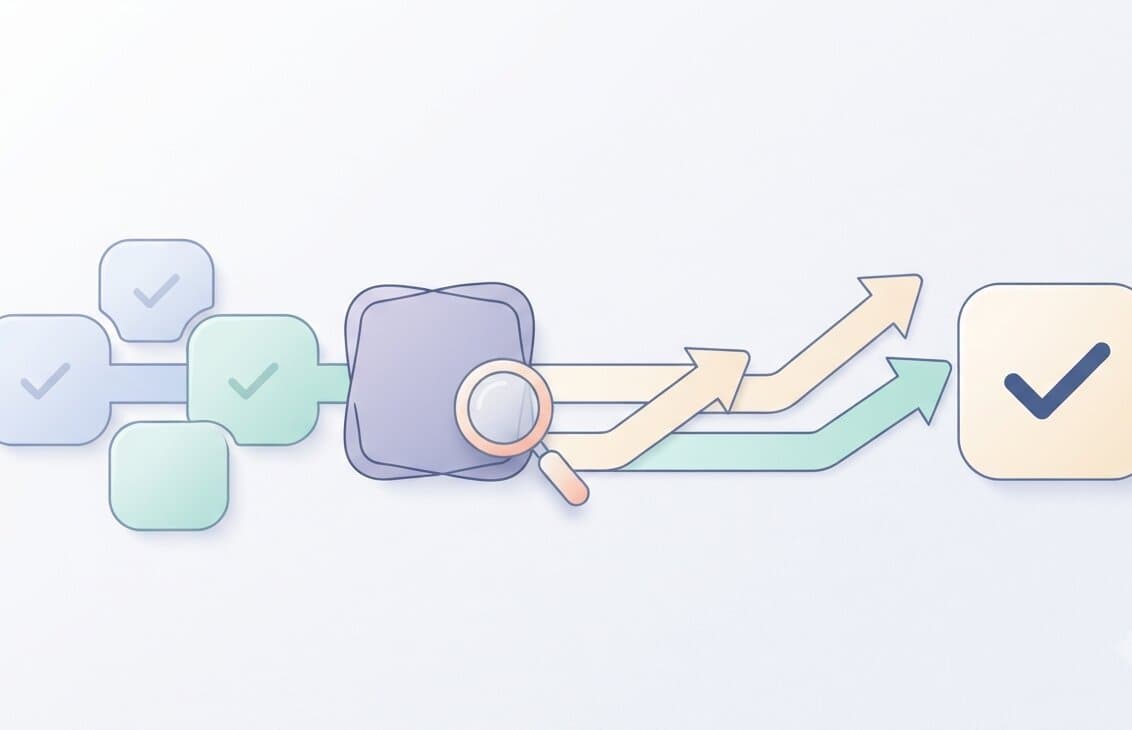
Many organizations feel uncertain about where to start. Here's a simplified view of the SOC 2 process:
Define Your Scope — Identify which systems, services, and Trust Services Criteria apply to your business.
SOC 2 Readiness Assessment — Before the formal audit, a SOC 2 readiness assessment helps identify gaps in your current controls.
Remediation — Address any control weaknesses uncovered during the readiness phase.
Audit Fieldwork — A qualified SOC 2 auditor from one of the recognized SOC 2 audit firms conducts testing through interviews, documentation review, and system evaluation.
Report Issuance — The final SOC 2 audit report is issued with the auditor's opinion and detailed test results.
Understanding SOC type 2 requirements ahead of time — and working with experienced professionals — makes the entire journey significantly smoother.
Common Misconceptions About SOC 2
Even after years of working in this space, we still encounter a few persistent myths:
"SOC 2 is a one-time thing." It's not. Most clients expect annual SOC 2 reporting to confirm that controls continue to operate effectively over time.
"A SOC 2 report means you're 100% secure." As we discussed — SOC 2 demonstrates strong controls, not invincibility.
"All SOC 2 reports are equal." They're not. A report covering only the Security criteria is very different from one that also addresses Availability, Privacy, and Confidentiality.
Conclusion
SOC 2 compliance is one of the most valuable trust signals a service organization can have. It's not a magic shield — but it is a rigorous, independent confirmation that your controls are real, tested, and aligned with industry standards. Whether you're just beginning with a SOC 2 Type 1 Audit or maintaining an annual SOC 2 Type 2 report, the commitment to compliance sends a clear message to your clients: their data is in good hands.
"Wondering whether your organization is ready for a SOC 2 audit? Our team provides comprehensive SOC 2 Compliance Audit Services — from initial readiness assessment to final report issuance. Connect with our experts today and take the first step toward becoming SOC 2 compliant with confidence."