.svg)
.svg)
.svg)
One question we’re often asked is: why do we need to perform User Access Reviews when RBAC is already in place?
RBAC defines access, but it doesn’t stop access drift. Learn why User Access Reviews reduce real security risk beyond audits and compliance need.

Accorp Compliance Team
Our team of compliance experts specializes in PCI DSS, SOC 2, and other security frameworks to help businesses achieve and maintain compliance.
The honest answer is — not just for audits or compliance like ISO 27001 or SOC 2. User Access Reviews exist to manage very real, day-to-day risk that builds up over time.
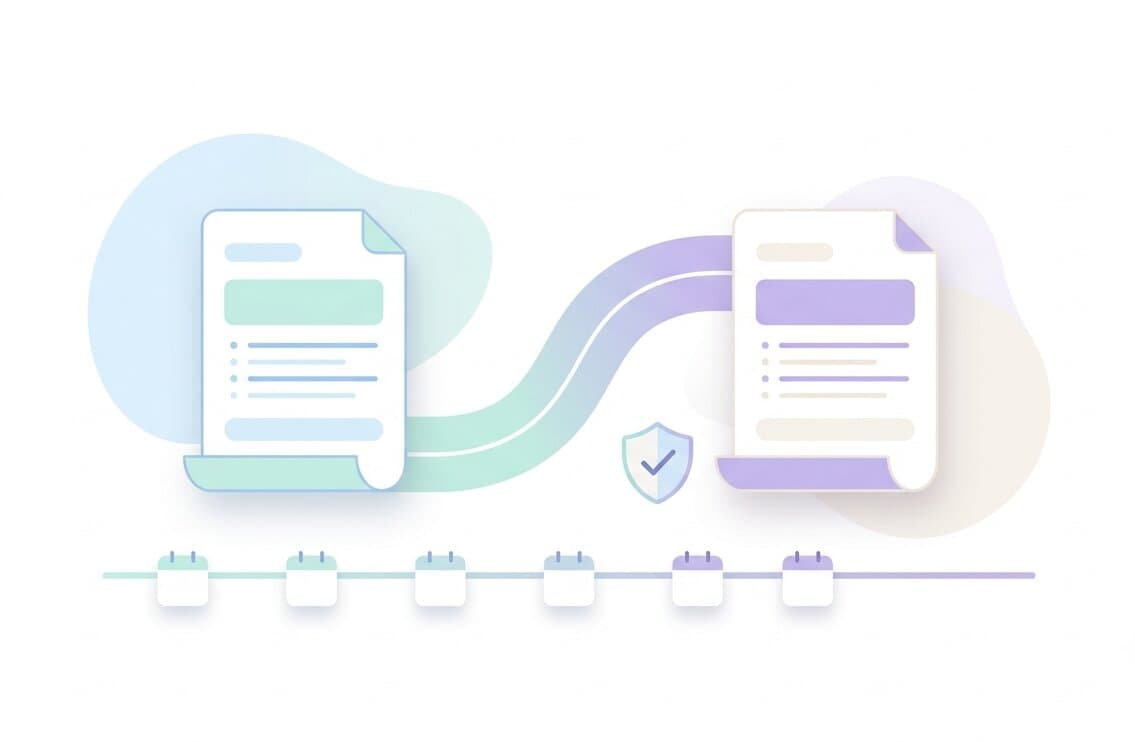
Even with RBAC, access tends to drift. People leave and their access stays active. Others change roles but older permissions remain. Temporary access gets granted and never removed. Over time, access no longer reflects what people actually do — and this is one of the most common gaps flagged during a SOC 2 readiness assessment.
RBAC defines what a role can access, but it doesn't automatically confirm:
Whether the right users are assigned the right roles
Whether access still matches current job responsibilities
Whether any temporary access should have expired
A more effective approach is to:
review roles and the access mapped to them,
validate that users have appropriate roles,
identify temporary access that is no longer required,
and pay closer attention to privileged or sensitive roles — especially those in scope for SOC 2 compliance.
In short, RBAC sets the structure, but User Access Reviews keep it accurate. Without regular reviews, even a well-designed RBAC model slowly drifts — and that's where risk starts to creep in. This drift is precisely what SOC 2 audit firms look for when evaluating access controls.
How Often Should User Access Reviews Be Conducted?
There is no single answer, but most organizations follow a practical framework.
For most systems, a quarterly review cycle works well — frequent enough to catch drift, without overwhelming the team. For privileged roles like system administrators or finance systems, monthly reviews make sense given the higher risk. For lower-risk applications, semi-annual or annual may be sufficient.
The key is consistency. A quarterly review that actually happens beats a monthly one that gets skipped.
Many organizations also run event-based reviews — when someone leaves, changes roles, or moves teams. These are the moments access drift most commonly occurs.
Who Should Be Responsible for Approving Access Reviews?
Access reviews are often treated as an IT task — but approval responsibility should sit with the business.
A practical ownership model:
IT or Security — pulls reports, tracks completion, actions revocations
System Owners — review and approve access for systems they own
Line Managers — confirm each team member's access reflects their current role
Leadership or Risk Teams — oversee privileged access and sign off on exceptions
When accountability is distributed this way, access reviews become a shared business process — not just an IT compliance checkbox.
How User Access Reviews Map to SOC 2 Trust Services Criteria
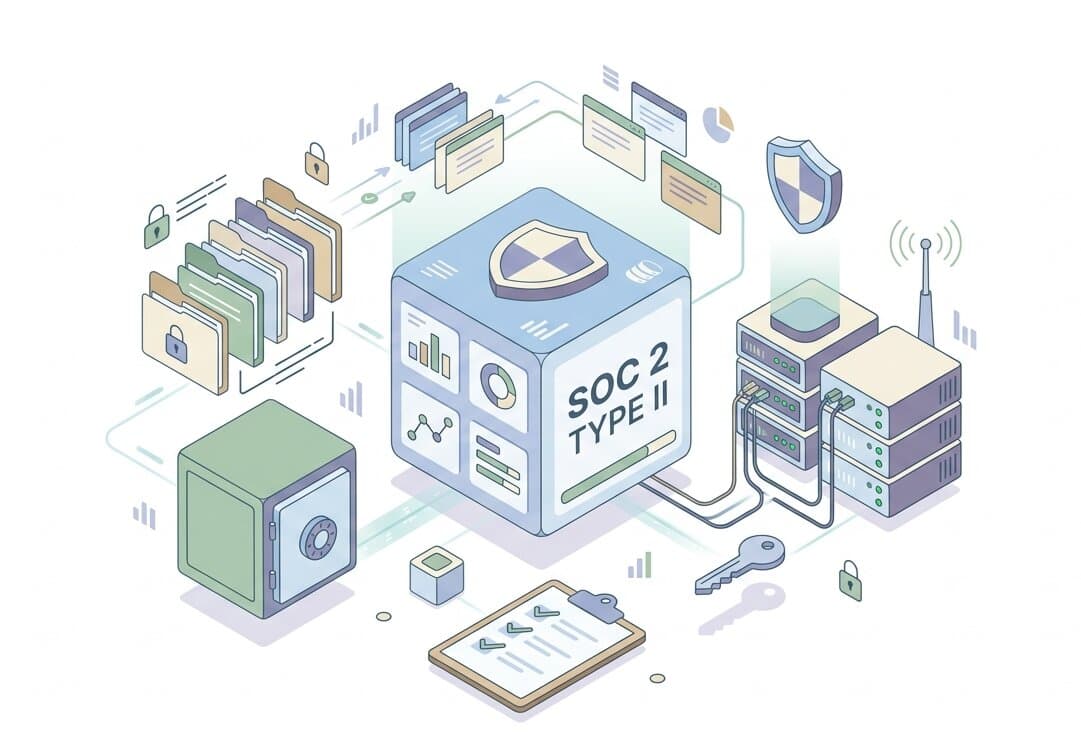
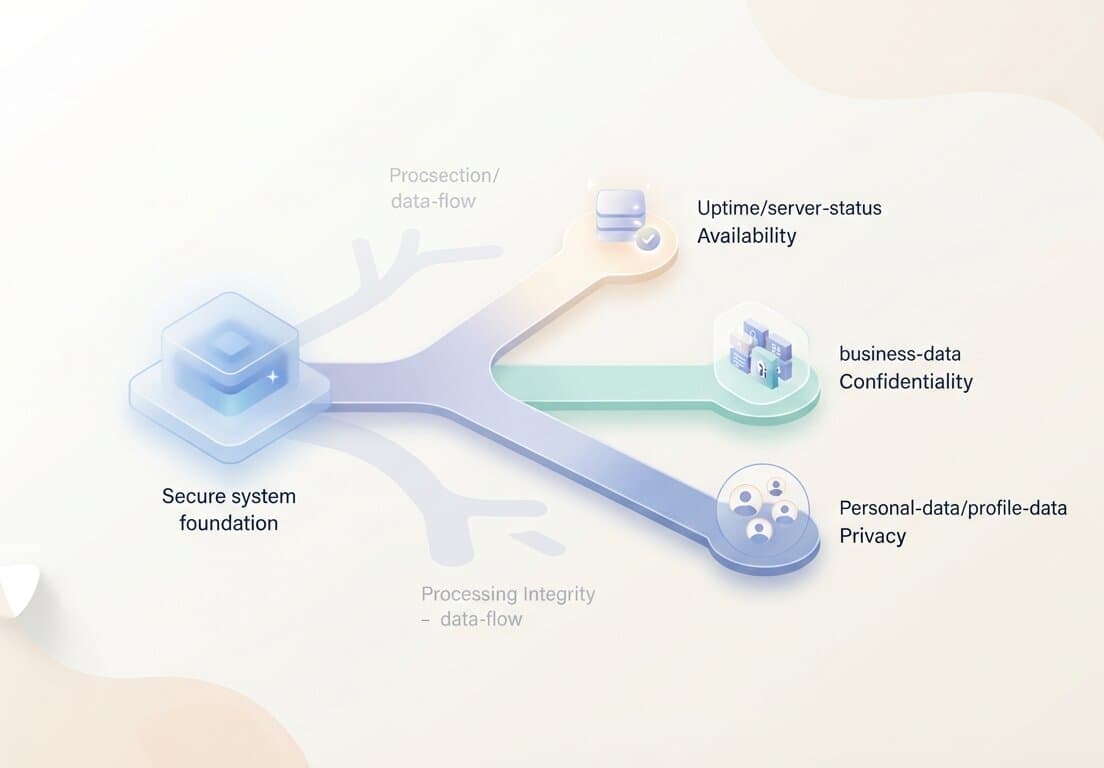
For organizations going through SOC 2 compliance, access reviews are a direct control requirement under CC6: Logical and Physical Access Controls.
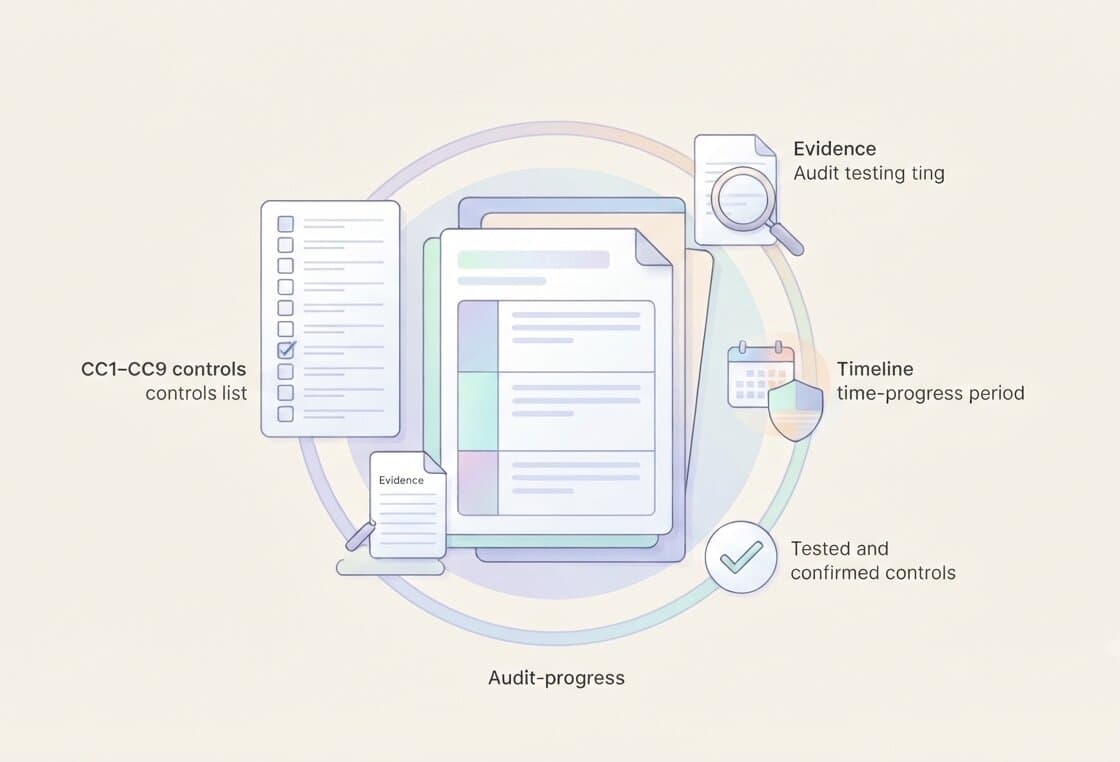
Auditors will look for evidence that:
Access is granted based on least privilege
Access rights are reviewed periodically and adjusted when roles change
Terminated or transferred employees have access promptly revoked
Privileged access is subject to tighter controls and more frequent review
Understanding this mapping helps teams prioritize which systems need the most attention — not every system carries equal weight in the eyes of a SOC 2 auditor.
What Auditors Actually Check During Access Control Testing
When a SOC 2 audit firm tests your access controls, they are not just asking whether a policy exists — they are checking whether it is actually followed.
Auditors typically examine:
Provisioning and deprovisioning records — Were accounts created and disabled through an approved process?
Role assignment accuracy — Do assigned roles match current job responsibilities?
Review completion evidence — Was the review done on time, by the right people?
Exception handling — When access was flagged, was it revoked promptly?
Privileged account controls — Are admin accounts reviewed more frequently with stricter controls?
Evidence You Need to Collect for Access Review Documentation
Before a SOC 2 type 2 audit, ensure your evidence is easy to retrieve and present. Auditors will typically request:
Access review reports — who was reviewed, what decisions were made, who approved
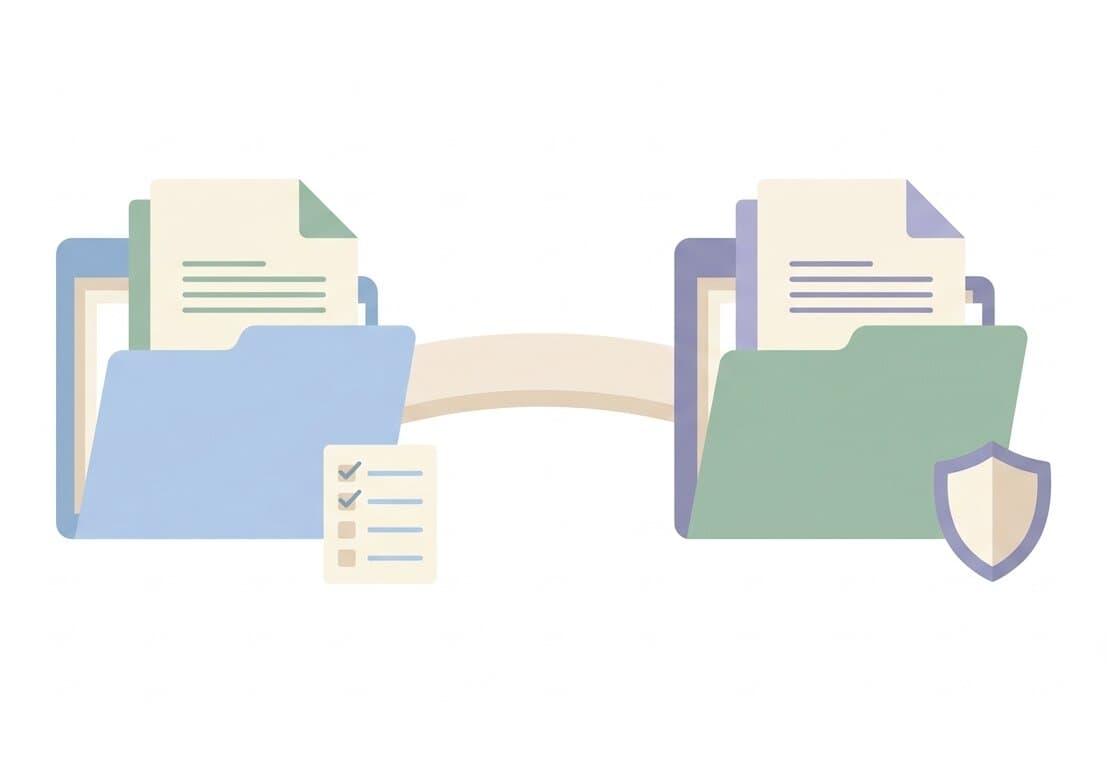
Provisioning and deprovisioning tickets — documented approval trail for joiners, movers, leavers
Exception logs — retained access with documented justification
System-generated access logs — baseline exports retained for the audit period
Completion sign-offs — confirmation that reviewers acknowledged assigned access
Organizations that treat documentation as an ongoing discipline — not a pre-audit scramble — consistently have a smoother SOC 2 reporting experience.
Conclusion
RBAC sets the structure, but User Access Reviews keep it honest. Without regular reviews, even a well-designed access model drifts — creating audit findings, compliance gaps, and real security risk.
Whether you are preparing for a formal audit or simply maintaining tighter access control, building a consistent review process is one of the most practical steps an organization can take.