.svg)
.svg)
.svg)
Continuous SOC 2 Compliance: Why Annual Audits Are No Longer Enough
Explore the benefits of continuous SOC 2 compliance, stronger controls, reduced risk, and smoother audit preparation.

Accorp Compliance Team
Our team of compliance experts specializes in PCI DSS, SOC 2, and other security frameworks to help businesses achieve and maintain compliance.
For many organisations, achieving SOC 2 compliance has traditionally been viewed as a once-a-year project. Teams prepare documentation, gather evidence, undergo a SOC audit, receive their report, and then shift focus back to daily operations.
That approach is rapidly becoming outdated. In today's environment, customers, investors, regulators, and enterprise procurement teams expect organisations to maintain strong security controls throughout the year—not just during audit season. As a result, continuous compliance has become a critical component of modern SOC 2 programs.
Organisations that treat compliance as an ongoing process are often better positioned to reduce risk, strengthen customer trust, and achieve smoother audit outcomes. More importantly, continuous compliance helps ensure that SOC 2 controls remain effective long after the audit period ends.
What Is Continuous SOC 2 Compliance?
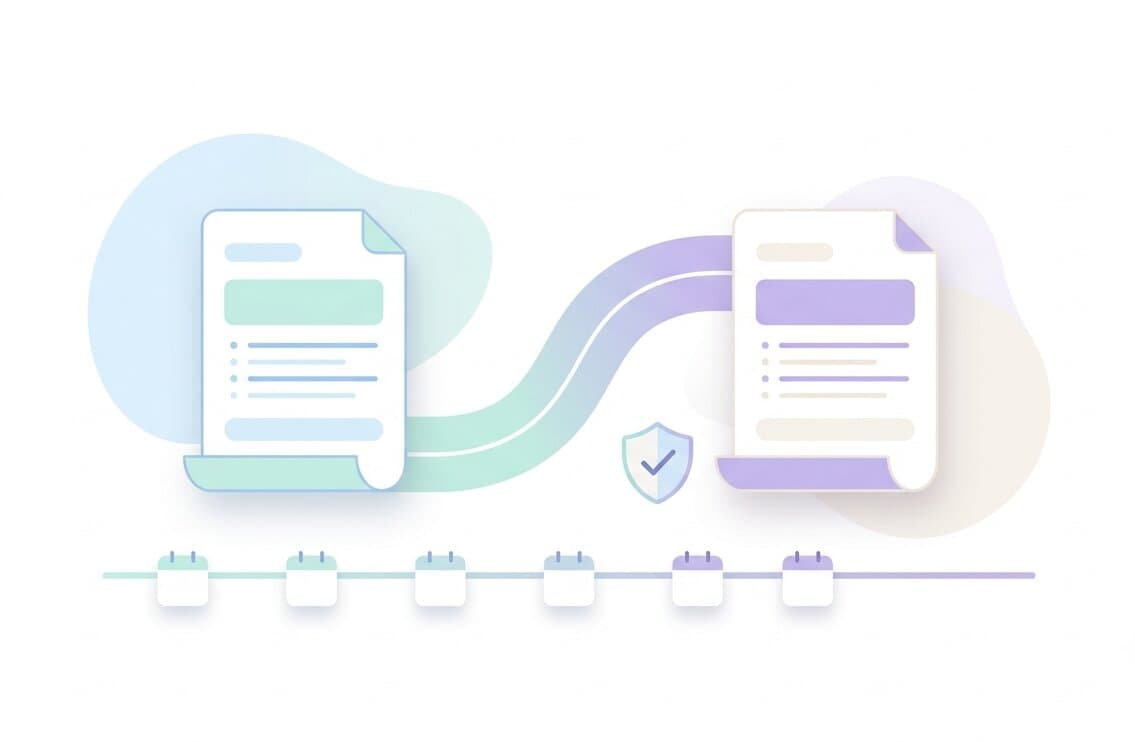
Continuous SOC 2 compliance refers to the ongoing monitoring, testing, and maintenance of security controls throughout the year rather than focusing only on audit preparation.
Instead of scrambling to collect evidence a few weeks before an audit, organisations continuously track:
Access controls
User permissions
Security monitoring activities
Vendor reviews
Change management processes
Incident response activities
Employee security training
The goal is to ensure that controls remain operational and effective at all times.
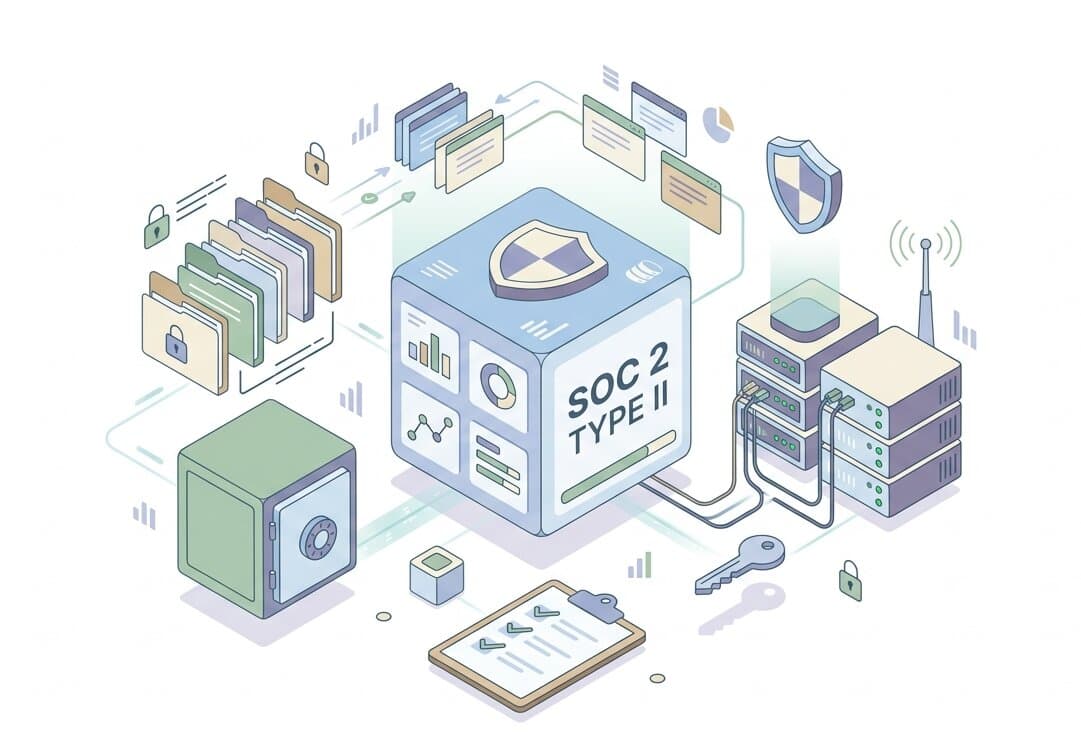
This approach aligns well with the expectations of organisations pursuing a SOC 2 Type 2 examination, where auditors assess how controls perform over an extended observation period.
Why Annual Compliance Efforts Create Problems
Many companies make the mistake of treating SOC 2 compliance as a yearly exercise.
Typically, the cycle looks like this:
Prepare for the audit.
Gather missing documentation.
Fix identified gaps.
Complete the audit.
Pause compliance efforts until next year.
While this approach may seem efficient, it often creates significant risks. Security controls can deteriorate over time. Employees change roles, systems are updated, vendors are added, and business processes evolve. Without ongoing oversight, organisations may unknowingly create compliance gaps that remain undetected until the next SOC audit. This often leads to last-minute remediation efforts, increased audit costs, and unnecessary stress for internal teams.
Why Auditors Are Focusing More on Continuous Compliance
The purpose of a SOC 2 audit is not simply to verify that controls existed on a specific day. Auditors want evidence that controls consistently operated as intended.
For organisations pursuing a SOC 2 Type 2 report, consistency matters.
Auditors increasingly review:
Access review schedules
Security monitoring logs
Incident management records
Change management approvals
Risk assessment activities
Vendor oversight documentation
Organisations that maintain continuous compliance processes can provide evidence more easily and demonstrate stronger operational maturity.
The Connection Between Continuous Compliance and SOC 2 Controls
Every compliance program is built upon SOC 2 controls designed to protect customer information and reduce operational risk.
However, controls are only effective when they are actively maintained.
Consider a few examples:
User Access Management
Access reviews performed once a year may fail to identify inactive accounts or excessive permissions.
Continuous monitoring helps organisations identify and address issues much faster.
Vendor Risk Management
Third-party vendors frequently change their infrastructure, certifications, and security practices.
Regular vendor reviews help ensure ongoing compliance.
Change Management
System changes occur constantly in modern cloud environments.
Continuous oversight helps maintain documentation and approval processes required for audit readiness.
Security Monitoring
Threats evolve every day.
Organisations that continuously monitor security events can identify risks before they become serious incidents.
How Continuous Compliance Supports SOC 2 Type 2 Success
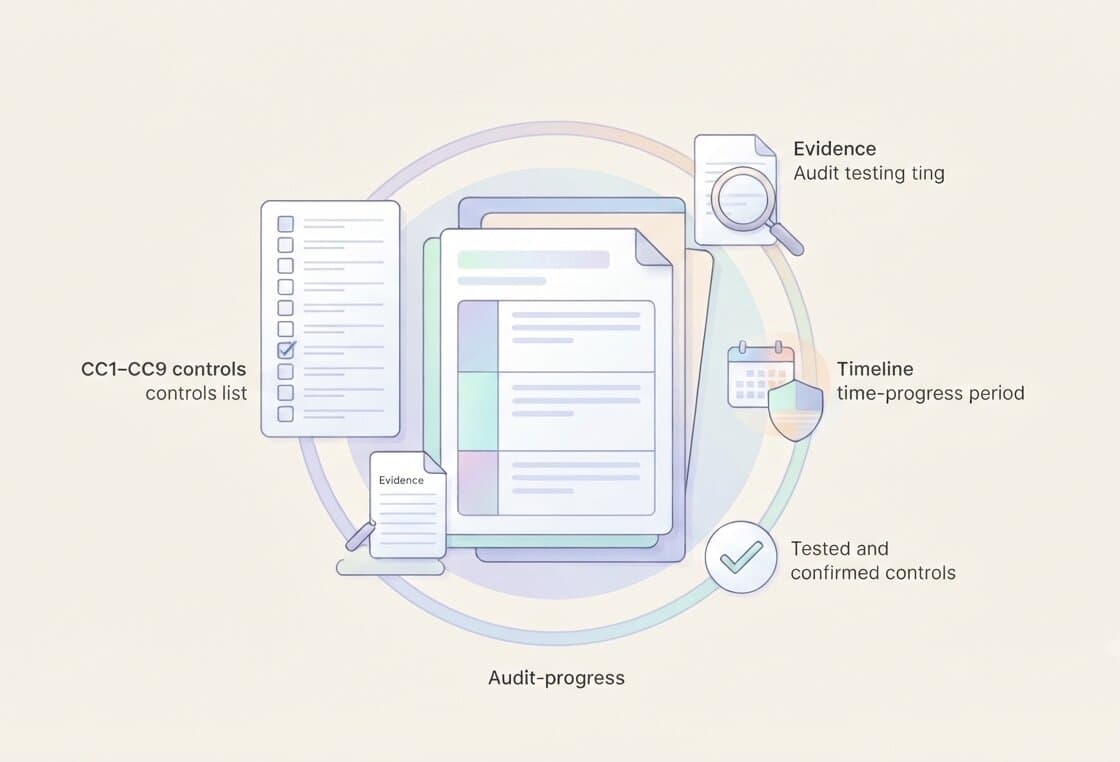
A SOC 2 Type 2 engagement evaluates control effectiveness over a defined review period, often six to twelve months.
Because of this extended observation window, organisations cannot rely on temporary fixes or short-term improvements. Auditors expect to see evidence demonstrating that controls operated consistently throughout the review period.
Organisations with continuous compliance programs typically experience:
Faster evidence collection
Fewer audit findings
Improved operational efficiency
Stronger risk management
Reduced audit preparation costs
Rather than preparing for an audit once a year, these organisations remain audit-ready at all times.
The Growing Role of Automation
Many organisations are using automation to support continuous compliance initiatives.
Automation can help with:
Evidence collection
Access reviews
Security monitoring
Policy acknowledgments
Configuration tracking
Vendor management
However, automation alone is not enough.
Auditors still expect organisations to demonstrate oversight, accountability, and governance. Technology can streamline compliance processes, but human review remains essential for maintaining effective SOC 2 controls.
What the AICPA SOC 2 Framework Encourages
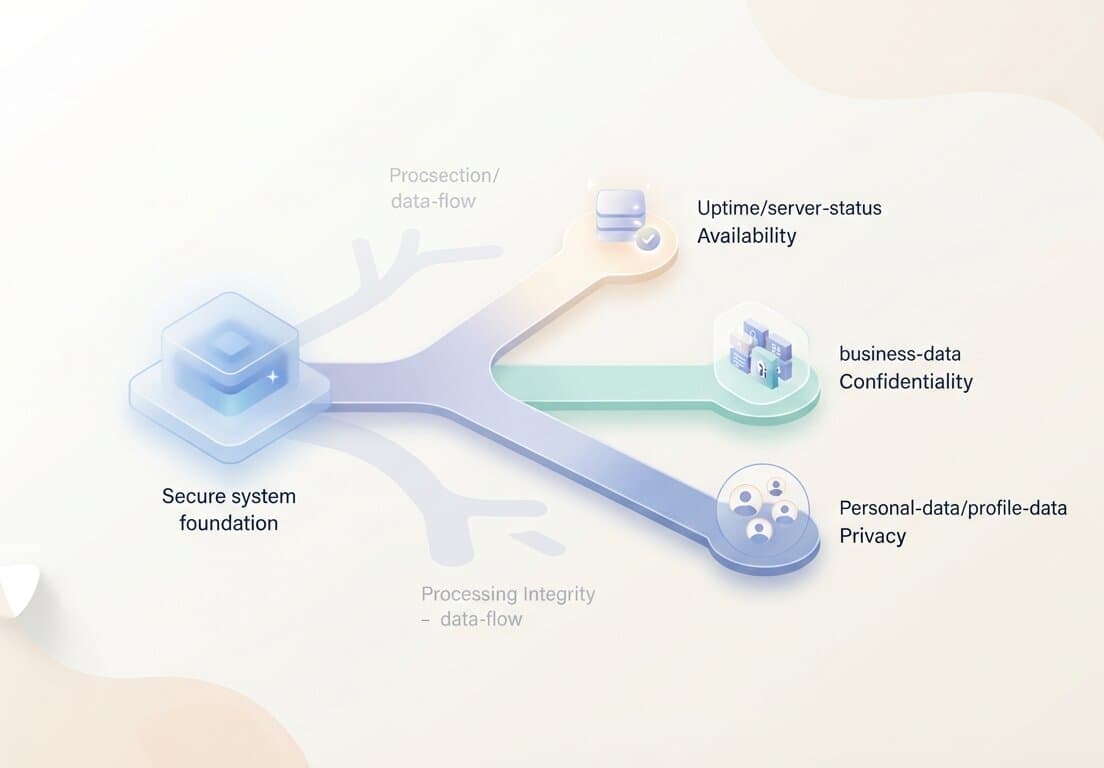
The AICPA SOC 2 framework emphasises the importance of maintaining effective controls that support security, availability, processing integrity, confidentiality, and privacy.
While the framework does not explicitly require a continuous compliance program, organisations that continuously monitor and manage controls are often better equipped to demonstrate compliance with these principles.
As customer expectations increase and technology environments become more complex, continuous compliance is becoming a practical necessity rather than a competitive advantage.
Common Signs Your Compliance Program Is Not Continuous
Organisations may need to strengthen their approach if they experience any of the following:
Evidence collection becomes a major project before audits.
Policies are reviewed only once per year.
User access reviews are inconsistent.
Vendor assessments are not updated regularly.
Security documentation is outdated.
Teams scramble to prepare for audits.
These warning signs often indicate that compliance activities are being performed reactively rather than proactively.
The Business Benefits Beyond Compliance
Continuous compliance is not only about passing audits.
Organizations often experience additional benefits, including:
Increased customer trust
Faster sales cycles
Stronger security posture
Improved operational visibility
Better risk management
Reduced compliance fatigue
Enterprise customers increasingly request a current SOC 2 audit report before engaging with vendors. Organisations that maintain continuous compliance are typically better prepared to meet these requests and demonstrate ongoing commitment to security.
Final Thoughts
The era of treating SOC 2 compliance as an annual event is ending. Modern organisations operate in dynamic environments where systems, vendors, employees, and risks change continuously. As a result, annual audits alone are no longer sufficient to maintain a strong compliance posture.
By adopting a continuous compliance mindset, organisations can strengthen their SOC 2 controls, improve audit readiness, and reduce operational risk throughout the year. Whether preparing for an initial SOC audit or maintaining a mature SOC 2 Type 2 program, continuous compliance is becoming one of the most effective ways to demonstrate long-term security and governance excellence.
Explore our SOC 2 Compliance Services to strengthen your security and compliance program.