.svg)
.svg)
.svg)
SOC 2 Vendor Risk Management: What Auditors Expect in 2026
Focused on compliance, risk management, and assurance services, including SOC 2, SOX Compliance, ISO 27001, ITGC Testing, Internal Audit, and Security Governance.

Accorp Compliance Team
Our team of compliance experts specializes in PCI DSS, SOC 2, and other security frameworks to help businesses achieve and maintain compliance.
Vendor risk management has become one of the most scrutinised areas of modern SOC 2 compliance programs. As organisations increasingly rely on cloud providers, SaaS applications, payment processors, and outsourced service providers, auditors are paying closer attention to how third-party risks are identified, assessed, and monitored.
A successful SOC audit is no longer limited to reviewing internal processes. Auditors want to understand how your organisation evaluates vendors that can access sensitive information, customer data, or critical business systems. Weak vendor oversight can create security gaps that directly impact the effectiveness of your SOC 2 controls and may lead to findings during an audit.
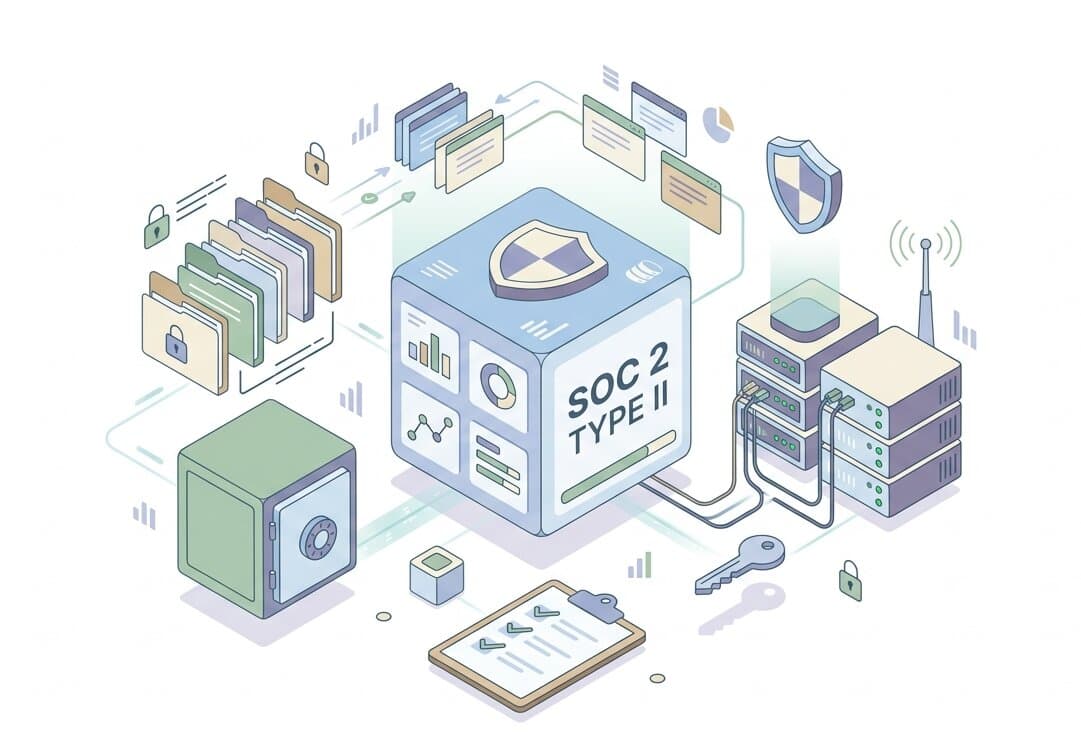
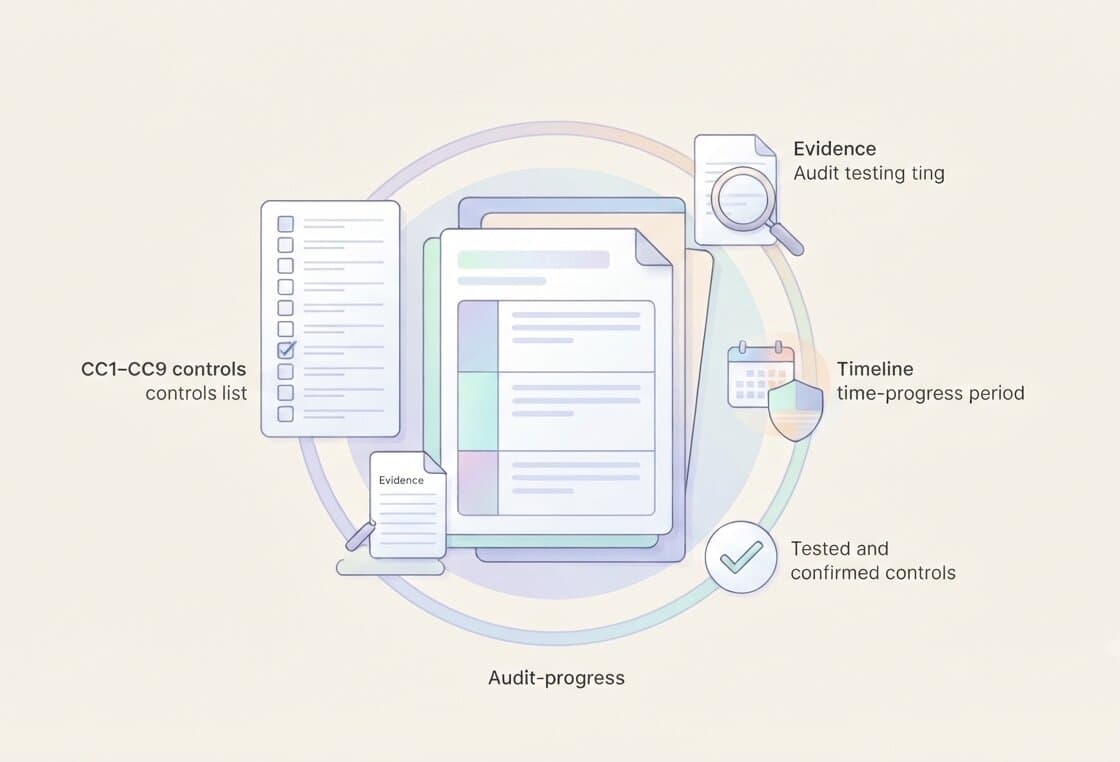
Organisations pursuing a SOC 2 Type 2 examination must demonstrate that vendor management controls operate consistently over time. This means having documented procedures, performing regular assessments, and maintaining evidence that third-party risks are continuously monitored.
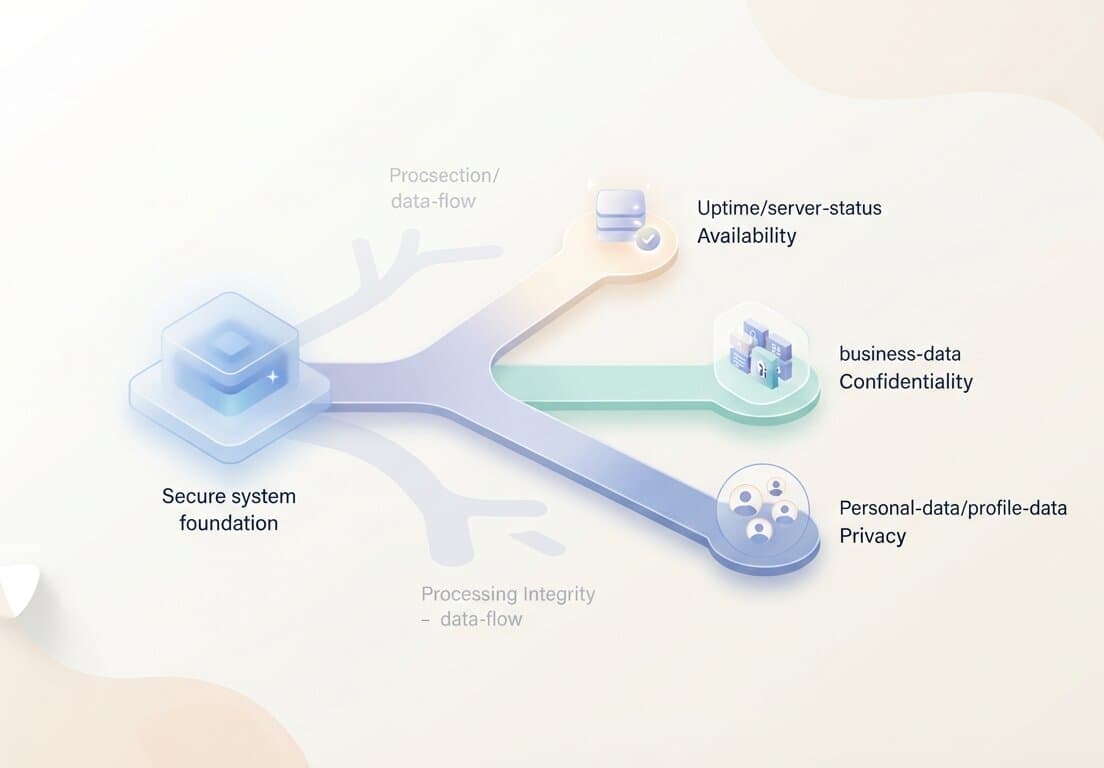
According to the AICPA SOC 2 framework, organisations are responsible not only for their own security controls but also for understanding how external vendors may affect the confidentiality, integrity, and availability of customer information.
Why Vendor Risk Management Matters for SOC 2 Compliance
Modern businesses depend on dozens, and sometimes hundreds, of vendors to support daily operations. These vendors may include:
Cloud hosting providers
Customer relationship management platforms
Payroll processors
Identity and access management providers
Software development tools
AI and machine learning platforms
Managed service providers
While these vendors improve operational efficiency, they also introduce risk. A security incident involving a third-party provider can affect your customers and potentially impact your SOC 2 compliance posture.
For this reason, auditors increasingly evaluate vendor management programs when assessing whether an organisation's control environment is effective.
What Auditors Expect to See in 2026
A Formal Vendor Inventory
One of the first items auditors review is a complete inventory of third-party vendors.
Your organisation should be able to identify:
Critical vendors
Vendors with access to customer data
Vendors with privileged system access
Vendors that support essential business processes
Maintaining a current vendor inventory demonstrates that vendor relationships are actively managed rather than tracked informally.
Vendor Risk Assessments
Organisations should conduct risk assessments before onboarding vendors and periodically thereafter.
Auditors typically expect evidence showing:
Vendor security reviews
Data processing evaluations
Privacy considerations
Business continuity assessments
Compliance verification
The level of assessment should align with the vendor's risk level.
Review of Vendor Security Documentation
A mature vendor risk management process includes reviewing security documentation provided by vendors.
Examples include:
SOC 2 audit reports
ISO 27001 certifications
Penetration test summaries
Security questionnaires
Incident response procedures
Reviewing these documents helps organizations validate that vendors maintain appropriate security controls.
The Growing Importance of SOC 2 Audit Reports
In many cases, auditors will ask how your organization evaluates the security posture of critical vendors.
One of the most common methods is reviewing a vendor's SOC 2 audit report.
These reports provide independent assurance regarding the design and effectiveness of a vendor's control environment. Organizations should establish procedures for reviewing reports annually and documenting any exceptions or concerns.
Failure to review vendor SOC reports may raise questions about third-party oversight during a SOC audit.
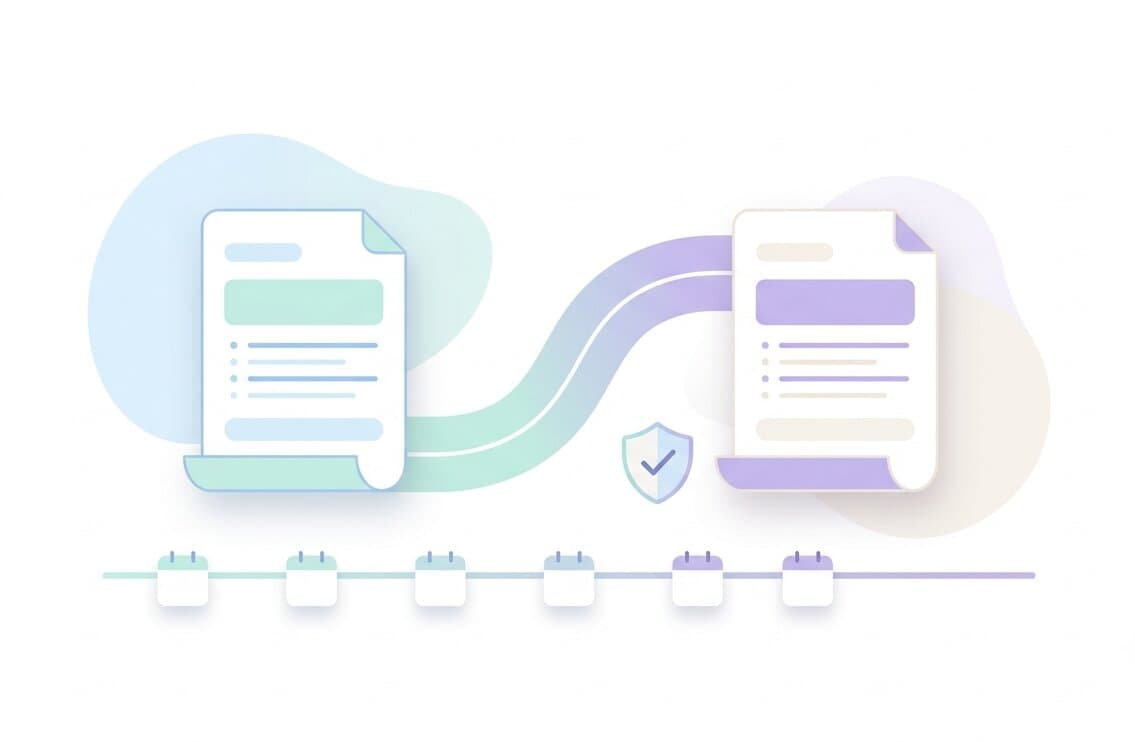
Vendor Monitoring Is No Longer Optional
Many organisations perform vendor assessments only during onboarding.
In 2026, auditors increasingly expect continuous monitoring.
Examples include:
Annual vendor reviews
Security incident tracking
Contract renewals
Compliance status verification
Risk re-assessments
Continuous monitoring demonstrates that vendor risk management is an ongoing process rather than a one-time exercise.
Common Vendor Risk Management Mistakes
Several issues frequently appear during SOC audits:
1. Incomplete Vendor Inventories
Organizations often fail to track all vendors that process customer data.
2. Missing Risk Assessments
Some vendors are onboarded without formal security reviews.
3. Outdated Documentation
Risk assessments and vendor reviews may not be updated regularly.
4. Lack of Follow-Up
Organizations identify risks but fail to document remediation activities.
5. No Review of Vendor SOC Reports
Auditors increasingly expect evidence that vendor SOC reports have been reviewed and evaluated.
Strengthening Your SOC 2 Controls Through Vendor Oversight
Effective vendor management directly supports several SOC 2 controls related to:
Access management
Risk assessment
Security monitoring
Change management
Incident response
Data protection
When vendor risks are properly managed, organisations can demonstrate stronger control effectiveness and improve overall audit readiness.
Preparing for Future SOC 2 Requirements
Vendor ecosystems continue to grow more complex, particularly as organisations adopt AI platforms, cloud-native services, and outsourced operations.
As a result, vendor risk management is becoming a core component of SOC 2 compliance rather than a supporting activity. Organisations that implement structured vendor governance processes, maintain comprehensive documentation, and regularly review third-party security practices will be better positioned to achieve successful audit outcomes.
Final Thoughts
Vendor risk management is no longer a secondary consideration in a SOC audit. It has become a key area of focus for organisations pursuing SOC 2 compliance and maintaining customer trust. Auditors expect to see evidence that vendors are properly assessed, monitored, and reviewed throughout the relationship lifecycle.
By maintaining strong vendor oversight, regularly reviewing SOC 2 audit reports, and aligning third-party management practices with AICPA SOC 2 expectations, organisations can strengthen their control environment, reduce risk exposure, and improve their chances of a successful SOC 2 Type 2 examination.
Explore our SOC 2 Compliance Services to strengthen your security and compliance program.