.svg)
.svg)
.svg)
Business Tax Return Guide for Sole Proprietors and LLCs
Learn how to file a business tax return in the US. Simple guide for foreign entrepreneurs covering LLC taxes, compliance, and deadlines.

Accorp Compliance Team
Our team of compliance experts specializes in PCI DSS, SOC 2, and other security frameworks to help businesses achieve and maintain compliance.
If you plan to register my business in the United States, understanding how to handle your business tax return is essential. Many foreign entrepreneurs find US taxes confusing, especially when dealing with LLCs and sole proprietorships.
This guide explains everything in simple terms so you can stay compliant and avoid costly mistakes.
What Is a Business Tax Return and Who Needs to File It?
A business tax return is a report you submit to the IRS showing your income, expenses, and taxes owed. Whether you are a sole proprietor or run an LLC (Limited Liability Company), you are required to report your earnings.
Filing taxes correctly is a key part of legal compliance and helps your business operate smoothly in the US.
What Is the Difference Between Sole Proprietors and LLCs?
A sole proprietor is an individual running a business without forming a separate entity
An LLC is a registered structure that provides liability protection
Even if you set up a limited company, your tax responsibilities depend on how your business is structured.
How Do Taxes Work for Sole Proprietors and LLCs?
Taxation varies depending on your business type.
How Are Sole Proprietors Taxed?
Sole proprietors report business income on their personal tax return. This is the simplest form of small business tax filing, but it offers no liability protection.
How Are LLCs Taxed?
An LLC can choose different tax options:
Default taxation (pass-through income)
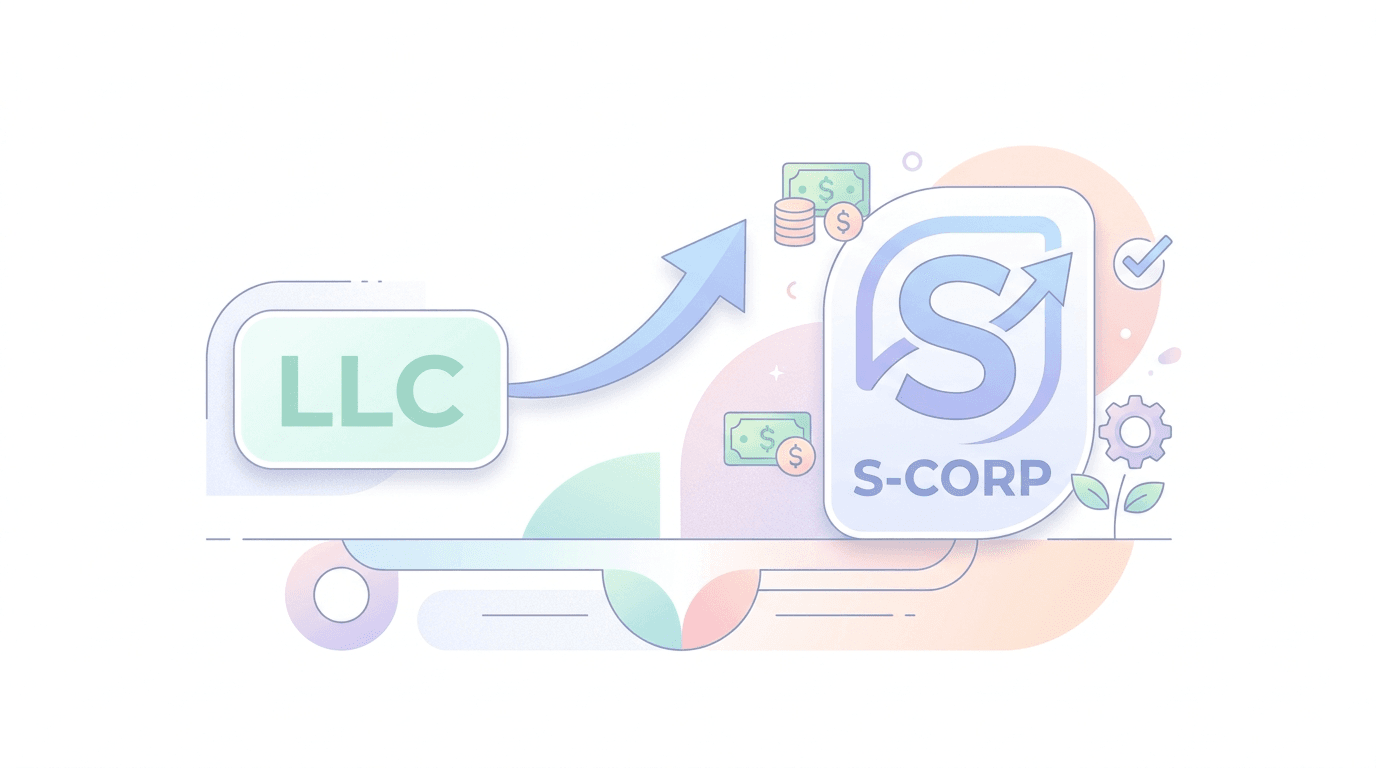
S-Corp election using form 2553
Choosing the right option affects how you file business taxes and your overall tax liability.
What Steps Are Involved in Filing a Business Tax Return?
Filing your business tax return involves several important steps.
Step 1: Gather Financial Records
You must collect all income statements, expenses, and receipts.
Step 2: Determine Your Tax Structure
Your filing depends on whether you are a sole proprietor or LLC. If you filed form 2553, your reporting will follow S-Corp rules.
Step 3: Complete Tax Forms
You will fill out IRS forms based on your structure and submit them as part of your small business tax filing.
Step 4: Submit Your Return
File your return before the deadline to maintain corporate compliance and avoid penalties.
What Other Compliance Requirements Should You Know?
Filing taxes is only one part of running a business in the US.
What Is Annual Filing?
Most LLCs must complete an annual filing (Annual Report) with the Secretary of State LLC. This keeps your company active and updated.
What Role Does a Registered Agent Play?
A registered agent receives official notices, including tax reminders and legal documents. Many entrepreneurs search for a “registered agent near me,” but professional registered agent services ensure you never miss important updates.
Do You Need Corporate Filing Updates?
Yes, any changes to your business must be reported through corporate filing to maintain proper records.
How Can Corporate Services Help With Tax Filing?
Managing taxes and compliance in another country can be challenging. This is where professional corporate services become valuable.
What Do Corporate Services Include?
They can help you:
Register the company name and form your business
Handle corporate filing and documentation
Manage annual filing and compliance
Support your business tax return process
Some providers also act as a company secretary, ensuring deadlines are met and records are properly maintained.
What Should Foreign Entrepreneurs Keep in Mind?
If you are outside the US, tax obligations still apply to your business.
You should:
Understand your US tax responsibilities
Keep accurate financial records
Ensure timely small business tax filing
Maintain a reliable registered agent
These steps help you stay compliant and avoid legal issues.
How Does Tax Filing Connect to Your Business Setup?
Your tax responsibilities begin as soon as you register your business and complete your initial corporate filing.
To operate successfully, you must:
Maintain legal compliance
Keep your business active through annual filing
Decide whether to use Form 2553 for tax benefits
Together, these elements create a strong foundation for your US business.
Conclusion
Filing a business tax return is one of the most important responsibilities when running a US business. Whether you are a sole proprietor or have chosen to set up a limited company, understanding your tax obligations is essential for long-term success.
By combining proper planning, reliable registered agent services, and expert corporate services, you can simplify the process and stay fully compliant. If you are ready to grow your business in the US, start by organising your tax strategy and filing correctly from day one.
Frequently Asked Questions
1. Do foreign owners need to file a US business tax return?
Yes, if your business earns income in the US, you must submit a business tax return and meet IRS requirements.
2. What is the deadline for filing business taxes?
Deadlines vary by structure, but most small businesses must complete their small business tax filing by April 15 or March 15 for certain entities.
3. Can I file business taxes myself?
Yes, but many entrepreneurs use corporate services to ensure accuracy and compliance.
4. Do I need a registered agent for tax filing?
A registered agent is required for LLCs and helps you receive important notices, though they do not directly file business taxes.
Looking for ongoing U.S. corporate compliance support? Explore our U.S. Company Secretary Services.