.svg)
.svg)
.svg)
How to Handle Small Business Tax Filing Without an Accountant
Learn how to handle small business tax filing without an accountant while staying compliant and avoiding costly mistakes in the USA.

Accorp Compliance Team
Our team of compliance experts specializes in PCI DSS, SOC 2, and other security frameworks to help businesses achieve and maintain compliance.
Managing taxes in the United States can feel overwhelming, especially if you are a foreign entrepreneur. However, with the right guidance, it is possible to handle small business tax filing on your own while staying fully compliant.
What Do You Need Before You File Business Taxes?
Before you file business taxes, you must gather all essential documents and understand your business structure. If you recently chose to set up a limited company, your tax obligations will differ from those of a sole proprietor.
You will need your EIN (Employer Identification Number), which works like a business tax ID. You should also organize income records, expenses, and bank statements.
If you used corporate services to register my business or register company name, they may already provide access to your key documents. Keeping everything organized is the first step toward accurate small business tax filing.
Which Tax Forms Should You Prepare?
The forms you need depend on your LLC (Limited Liability Company) structure. Single-member LLCs typically file under personal tax returns, while multi-member LLCs require partnership forms.
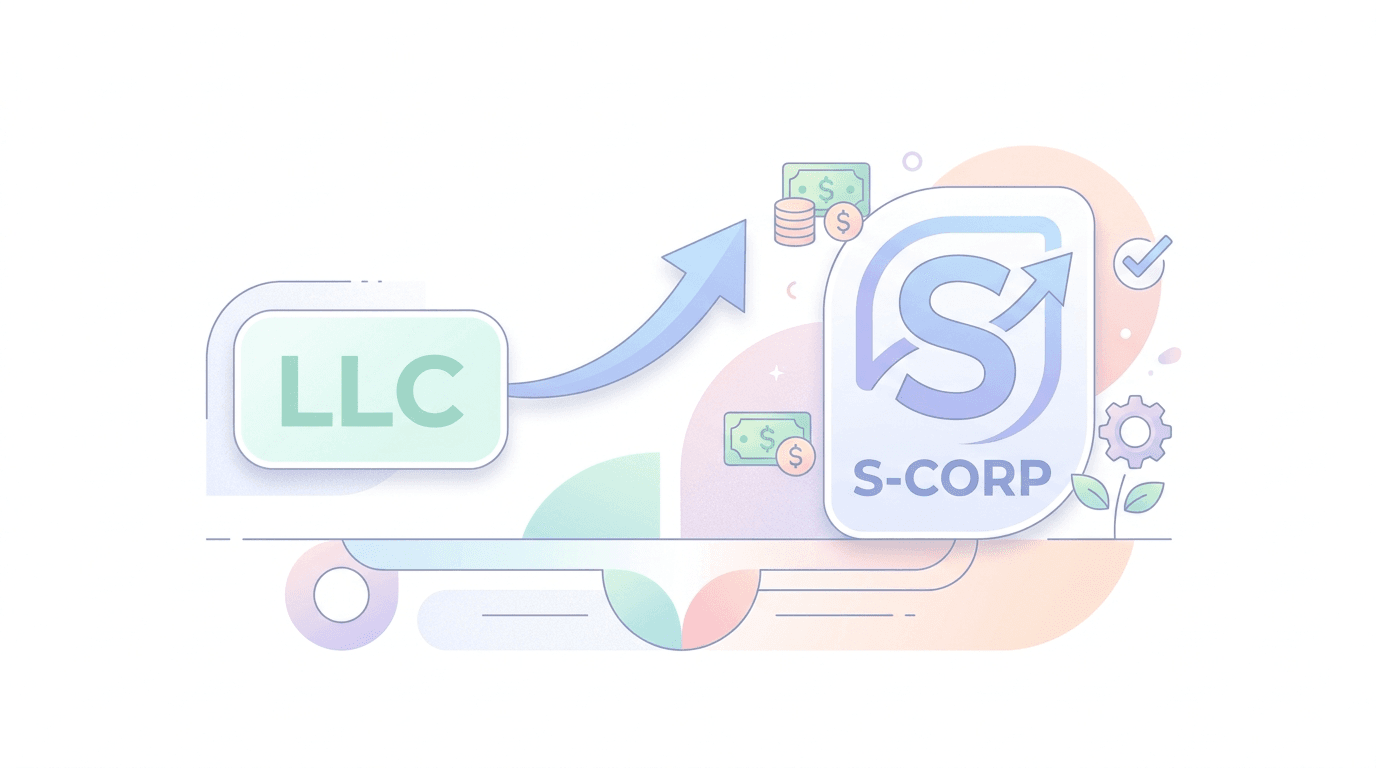
If you elect S-Corp status, you must submit form 2553 and follow different tax reporting rules. Understanding this early helps avoid mistakes in your business tax return.
How Can You File Taxes Without an Accountant?
Filing taxes without an accountant is possible if you follow a structured approach.
Start by choosing reliable accounting software to track your income and expenses. This simplifies calculations and reduces errors. Next, review IRS guidelines to ensure you meet all filing requirements.
Many entrepreneurs rely on corporate services providers for guidance. While they may not replace an accountant, they can assist with compliance, documentation, and reminders.
If you stay organized and follow instructions carefully, you can complete your small business tax filing independently.
What Role Does Compliance Play in Tax Filing?
Tax filing is a key part of your legal compliance responsibilities. Missing deadlines or submitting incorrect information can result in penalties.
Your registered agent plays an indirect role by ensuring you receive official notices and reminders. If you searched for a “registered agent near me,” you likely found providers who also offer compliance support.
In addition, your company secretary or service provider may track deadlines for annual filing and tax submissions. This ensures your corporate compliance remains intact as your business grows.
What Common Mistakes Should You Avoid?
Many first-time business owners make avoidable errors when handling taxes alone.
One common mistake is mixing personal and business finances. Always maintain separate accounts for clarity. Another issue is missing deadlines for your business tax return or small business tax filing.
Some entrepreneurs also forget to update their records with the secretary of state llc office, especially after changes in ownership or address. This can affect your compliance status.
Finally, failing to understand deductions can lead to overpaying taxes. Take time to learn what expenses you can legally claim.
How Can You Simplify Tax Filing as Your Business Grows?
As your business expands, tax obligations become more complex. You may need to upgrade your systems or seek additional support.
Using professional registered agent services ensures you receive timely updates about legal and tax requirements. Many providers also offer bundled corporate services, including compliance tracking and document management.
If you plan to expand into new states, you may need additional corporate filing and compliance steps. Staying proactive will help you manage growth without unnecessary stress.
Even without an accountant, you can succeed by using the right tools, staying informed, and maintaining organized records.
Conclusion
Handling small business tax filing without an accountant is achievable with the right approach. By staying organized, understanding your obligations, and using reliable tools, you can file business taxes confidently.
For international entrepreneurs, combining self-filing with professional corporate services can provide the best balance of control and support. Start building a strong system today to keep your business compliant and financially healthy in the US.
Frequently Asked Questions
1. Can I really file business taxes without an accountant?
Yes, many small business owners do. With proper tools and understanding of requirements, you can manage your own tax filing effectively.
2. What is the deadline for small business tax filing?
Deadlines vary based on your business structure, but most filings are due annually. Missing deadlines can lead to penalties.
3. Do I need form 2553 for my LLC?
Only if you want to elect S-Corp tax status. This form must be filed within a specific timeframe after forming your LLC.
4. How does a registered agent help with taxes?
A registered agent ensures you receive official notices and reminders, helping you stay compliant with tax and legal obligations.
5. What happens if I make a mistake on my tax return?
You may need to amend your return and could face penalties. It’s important to review your filing carefully before submission.
Looking for ongoing U.S. corporate compliance support? Explore our U.S. Company Secretary Services.