.svg)
.svg)
.svg)
Step-Down Subsidiaries and APR: Why Your Compliance Doesn't Stop at Tier One
RBI rules for step-down subsidiaries under FEMA and ODI, covering APR, audits, 30-day reporting, disinvestment and multi-tier overseas structures.

Accorp Compliance Team
Our team of compliance experts specializes in PCI DSS, SOC 2, and other security frameworks to help businesses achieve and maintain compliance.
Most conversations about ODI compliance start and end at the first-level entity — the JV or wholly owned subsidiary an Indian company directly holds. But a foreign subsidiary company rarely stays in a single, flat structure for long. It acquires a local operating entity, spins off a manufacturing arm, or sets up a holding layer for tax efficiency in a third country. Each of these is a step-down subsidiary, and under FEMA, each one carries its own reporting obligation — separate from, and in addition to, whatever your first-tier entity already owes RBI.
This is where a surprising number of otherwise well-run companies quietly fall out of compliance. Not because they ignored the APR audit for their direct subsidiary, but because nobody flagged that the subsidiary's own expansion abroad needed to be reported back to India too.
What Counts as a Step-Down Subsidiary Under FEMA
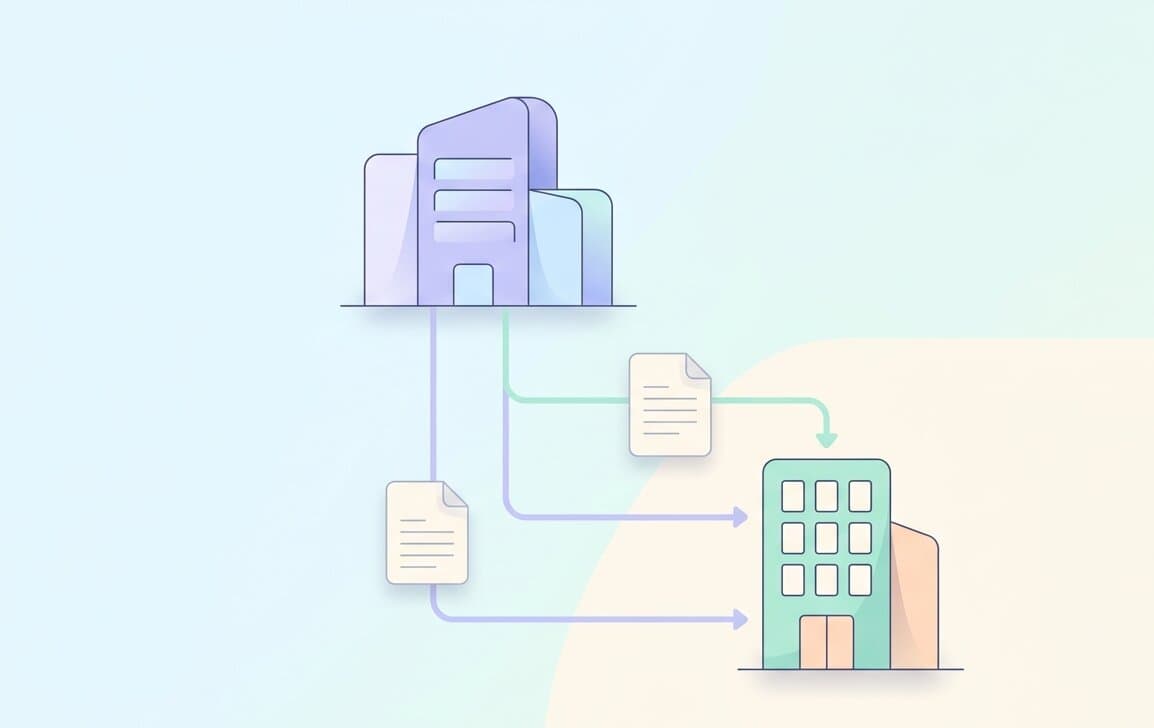
A step-down subsidiary (SDS) is any entity held by your foreign JV or WOS, rather than directly by the Indian parent. The Foreign Exchange Management (Overseas Investment) Rules, 2022 and the accompanying RBI Master Direction treat these tiers hierarchically: an entity held directly by your first-level foreign subsidiary is a first-level SDS; an entity held by that SDS, in turn, becomes a second-level SDS, and so on down the chain. The level is always calculated by treating the immediately preceding foreign entity as the parent, not by counting back to the Indian company.
This distinction matters because RBI's reporting requirements don't stop at whichever tier is easiest to track. If your US subsidiary acquires a UK operating company, that UK entity is now part of your ODI structure, even though the Indian parent never remitted a rupee to it directly.
Why RBI Tracks Step-Down Subsidiaries Separately
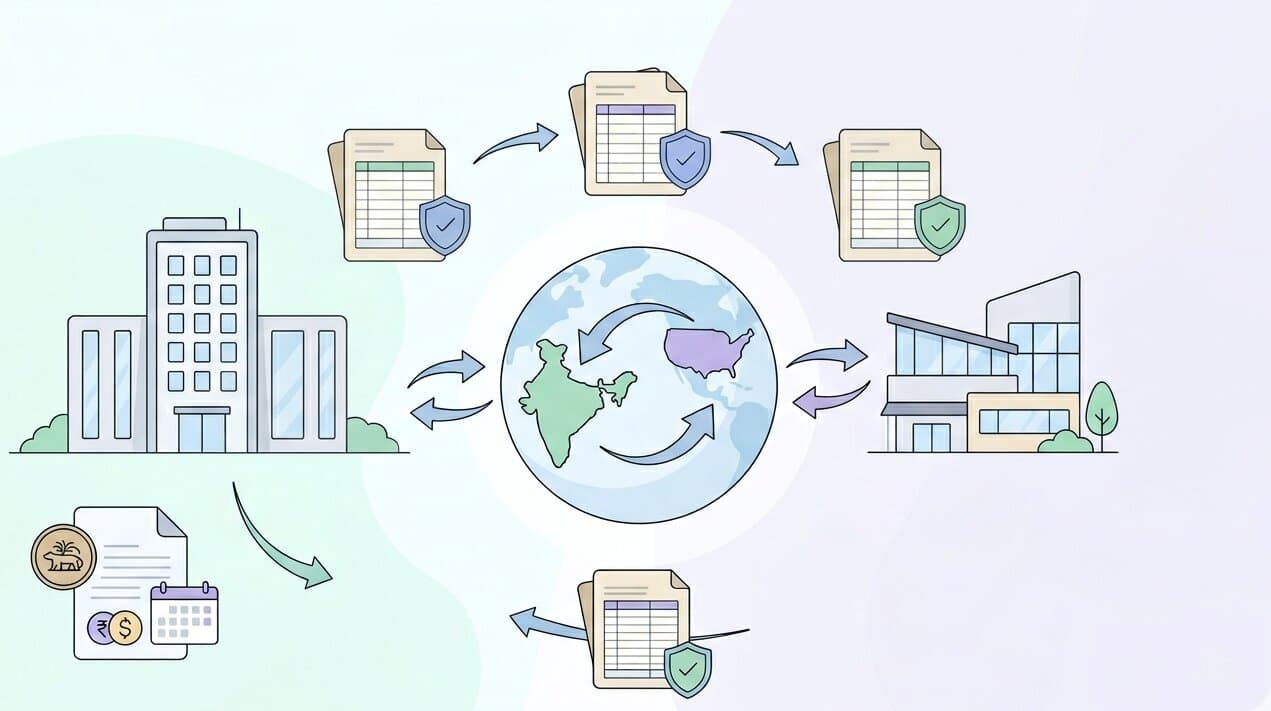
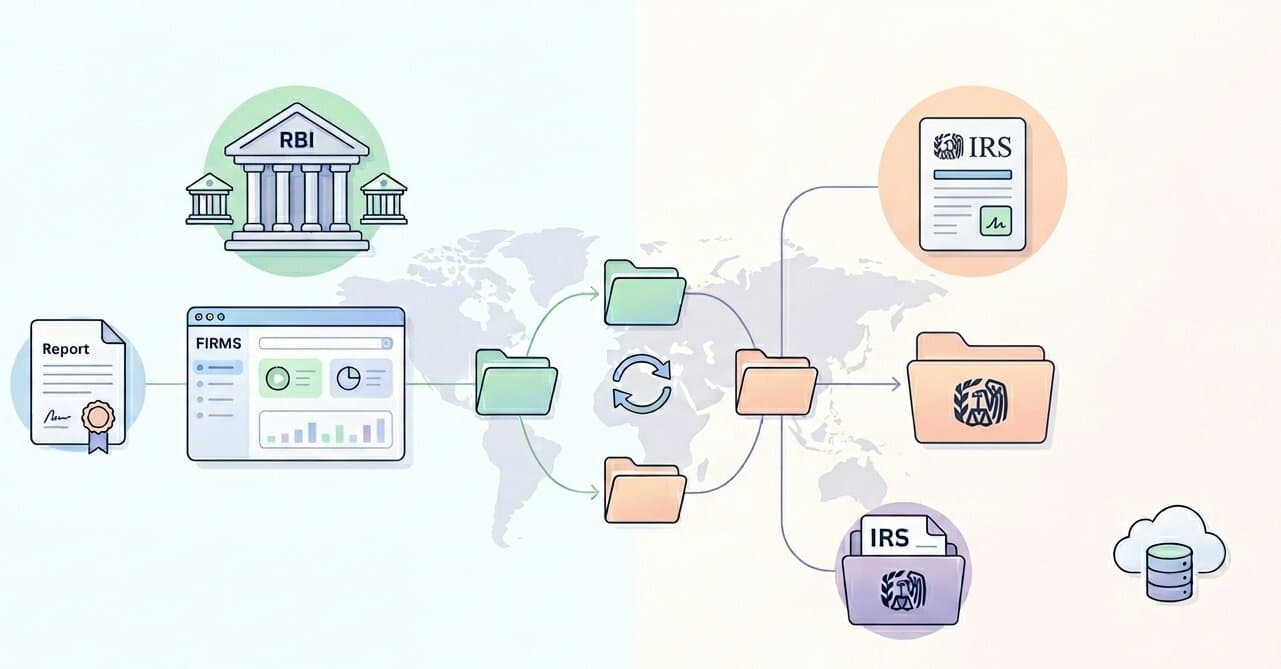
The logic behind this is straightforward once you see it from RBI's side. FEMA compliance exists to give the Reserve Bank a complete picture of where Indian capital ends up once it leaves the country — not just the first hop, but every subsequent layer it flows through. A step-down subsidiary in a third jurisdiction is still, functionally, Indian-origin capital at work. Leaving it unreported creates exactly the kind of visibility gap FEMA's overseas investment framework was built to close.
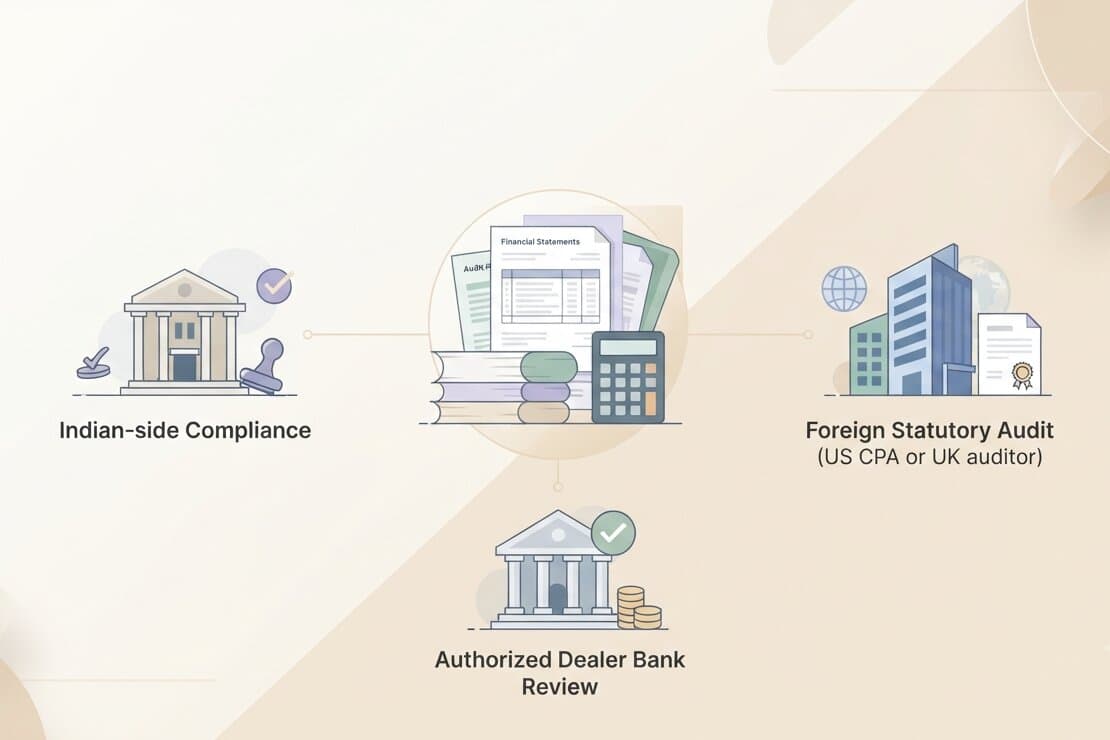
This is also why the audit of a foreign subsidiary of an Indian company can't be treated as a single event covering "the overseas business" in general. Each entity in the chain — parent-level foreign subsidiary and every SDS beneath it — needs its own set of audited financial statements, prepared under the accounting standards of wherever that specific entity is incorporated, and signed by a professional licensed in that jurisdiction.
The 30-Day Reporting Rule Most Companies Miss
One of the more consequential — and frequently missed — requirements sits outside the APR cycle entirely. When your foreign JV or WOS decides to set up, acquire, or restructure a step-down subsidiary, that decision has to be reported to RBI, through your AD Bank, within 30 days of approval by the relevant local authority — not at the next annual filing.
In practice, this rarely happens on time. The decision to establish an SDS is usually made at the foreign subsidiary's board level, often without anyone on the Indian side being looped in immediately. By the time it surfaces during annual accounting consolidation, the 30-day window has long closed. RBI's own compounding orders show this pattern repeatedly — companies penalised not for failing to report a step-down subsidiary at all, but for reporting it months or years after the fact, once the delay itself became the violation.
Does Each Step-Down Subsidiary Need Its Own Audit?
Yes, and this is where the audit workload compounds faster than most finance teams budget for. A two-country structure — an Indian parent, a US holding entity, and a UK operating subsidiary beneath it — doesn't need one audit. It needs two: one for the US entity, prepared under US GAAP and certified by a licensed CPA, and a separate one for the UK operating company, prepared under UK GAAP and signed by an ICAEW or ACCA member with the right registered auditor status.
Add a second step-down subsidiary in a third country, and the audit count grows again. Each engagement runs on its own timeline, in its own local audit season, under its own regulator's expectations — which is precisely why companies managing multi-tier overseas structures tend to underestimate how early the audit process actually needs to start.
What the APR Form Actually Asks About Step-Down Structures
Form APR isn't silent on this — it has a dedicated section requiring details of any step-down subsidiary acquired, set up, wound up, or transferred during the reporting year, including the name, level, and jurisdiction of both the SDS and its immediate parent within the structure. This isn't a box you can leave blank if your foreign subsidiary quietly expanded during the year. RBI expects full disclosure of the structure annually, tier by tier, even for SDS-level changes that never touched Indian shores.
Where This Goes Wrong: Real Enforcement Patterns
RBI's compounding orders over the years read like a fairly consistent playbook: a company sets up an overseas WOS correctly, reports it on time, and then loses track once that WOS starts building out its own structure. Delayed reporting of a step-down subsidiary's establishment, delayed reporting of its disinvestment, and non-submission of APRs covering the full structure show up together, again and again, in enforcement cases across sectors — manufacturing, IT services, industrial equipment. The common thread isn't willful non-compliance. It's a structural blind spot: nobody owned the responsibility of tracking what the foreign subsidiary did after it was set up.
Disinvestment and Winding Up: The Other Half Nobody Tracks
Compliance obligations don't end when a step-down subsidiary is created — they follow it through its entire life, including its exit. Selling, merging, or liquidating an SDS has its own reporting timeline, and RBI's enforcement history shows this gets missed almost as often as the initial setup. A step-down subsidiary that was merged into its parent company or wound up years ago, but never formally reported as disinvested, still shows up as an open compliance item until someone closes that loop with RBI.
Building a Compliance Map for Multi-Tier Structures
For any Indian company with more than one layer in its overseas holding structure, the practical fix isn't more paperwork at year-end — it's a running map of the entire structure, updated whenever the foreign entity's board approves a change, not when the APR deadline forces a review. Each tier needs its own audit trail, its own jurisdiction-appropriate auditor, and its own 30-day reporting clock the moment something changes.
Treating ODI compliance as a single annual event for "the overseas subsidiary" works fine for a flat, one-tier structure. The moment a second tier appears, that framing stops being accurate — and the companies that adjust to it early are the ones that don't end up explaining a multi-year reporting gap to RBI after the fact.